Imagine planning a family lunch in your garden, only for a sudden Lake District downpour to force everyone inside at a moment's notice. In Cumbria, where we experience an average of 150 rainy days every year, outdoor plans often feel like a gamble. You've probably felt the frustration of a dampened patio or worried that a timber structure would rot in our damp climate, yet you still crave that seamless transition between your home and the landscape. Bespoke aluminium verandas offer the definitive solution, providing a robust and sophisticated shelter that turns a seasonal garden into a year-round living room.
We understand that a home investment should be built to last, not something that requires annual painting or risks blowing away in a 60mph gale. This guide explores how a carefully specified aluminium structure can protect your furniture, integrate with your existing bifold doors, and significantly enhance your property's market appeal. We'll examine the technical details of high-grade glazing and the professional installation standards required to ensure your new outdoor space remains a durable, low-maintenance asset for decades to come.
Key Takeaways
- Learn how to transform your garden into a versatile "third space" that allows for sophisticated outdoor living regardless of the Cumbrian weather.
- Understand the technical importance of high-grade 6063-T6 aluminium and safety glazing to ensure your structure remains stable in exposed Lake District locations.
- Avoid the costly mistakes of "off-the-shelf" DIY kits by discovering why a professional site survey is essential for homes in areas like Penrith and Alston.
- Explore how bespoke aluminium verandas can be aesthetically integrated with your existing windows and doors using a wide range of durable RAL colours.
- Discover the benefit of a local, educator-led approach that prioritises professional fitting and long-term value over the "hard sell" of national conglomerates.
Why Aluminium Verandas are the Perfect Addition to Lake District Homes
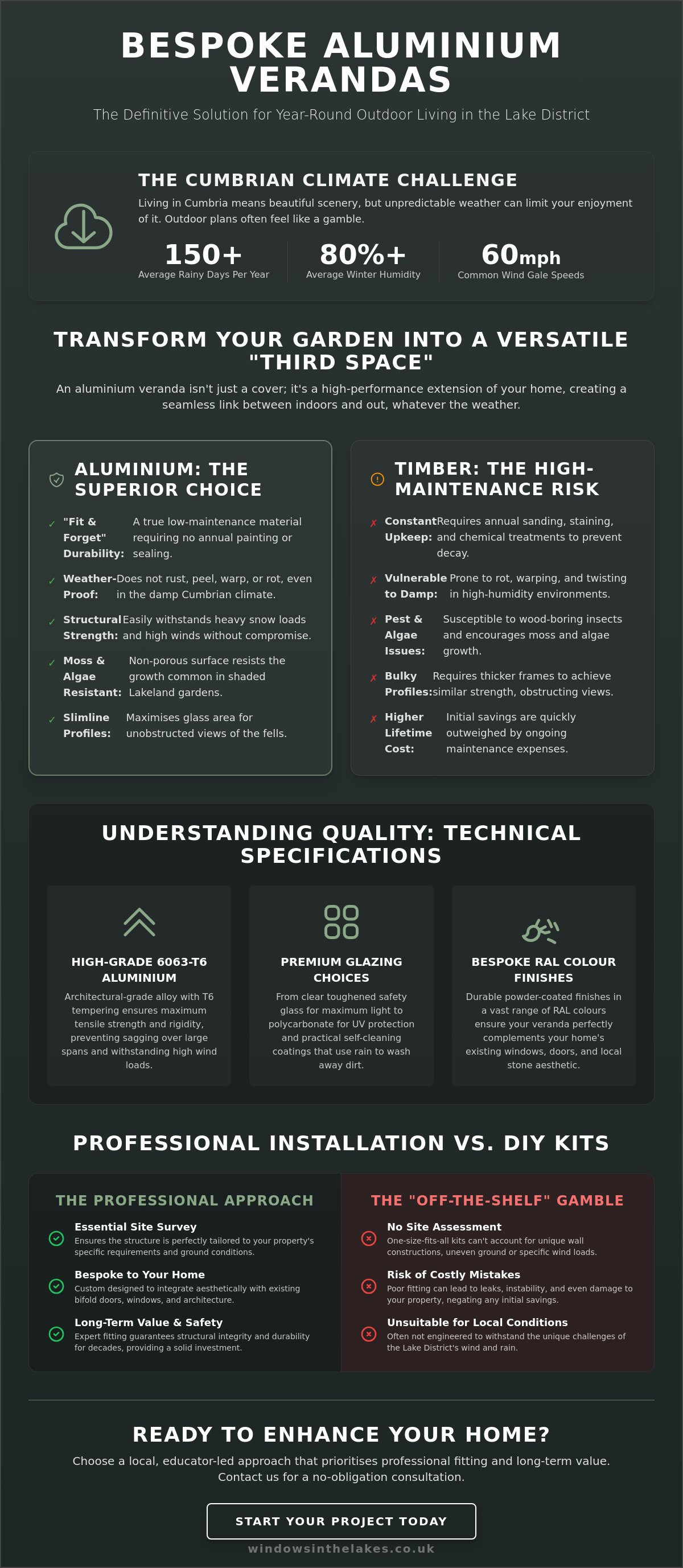
Living in Cumbria means accepting that rain is a constant companion. With Seathwaite famously recording over 3,000mm of annual rainfall, homeowners in Windermere and Keswick often find their gardens underutilised for six months of the year. Aluminium verandas offer a permanent architectural solution to this local dilemma. They create a seamless "third space" that bridges the gap between your warm kitchen and the rugged beauty of the Lakeland fells. Whilst the architectural history of the veranda suggests a simple porch, modern engineering has transformed these structures into high-performance extensions of the home. They don't just provide shelter; they redefine how you interact with your outdoor environment during a typical Cumbrian drizzle.
Extending the Season in the Lake District
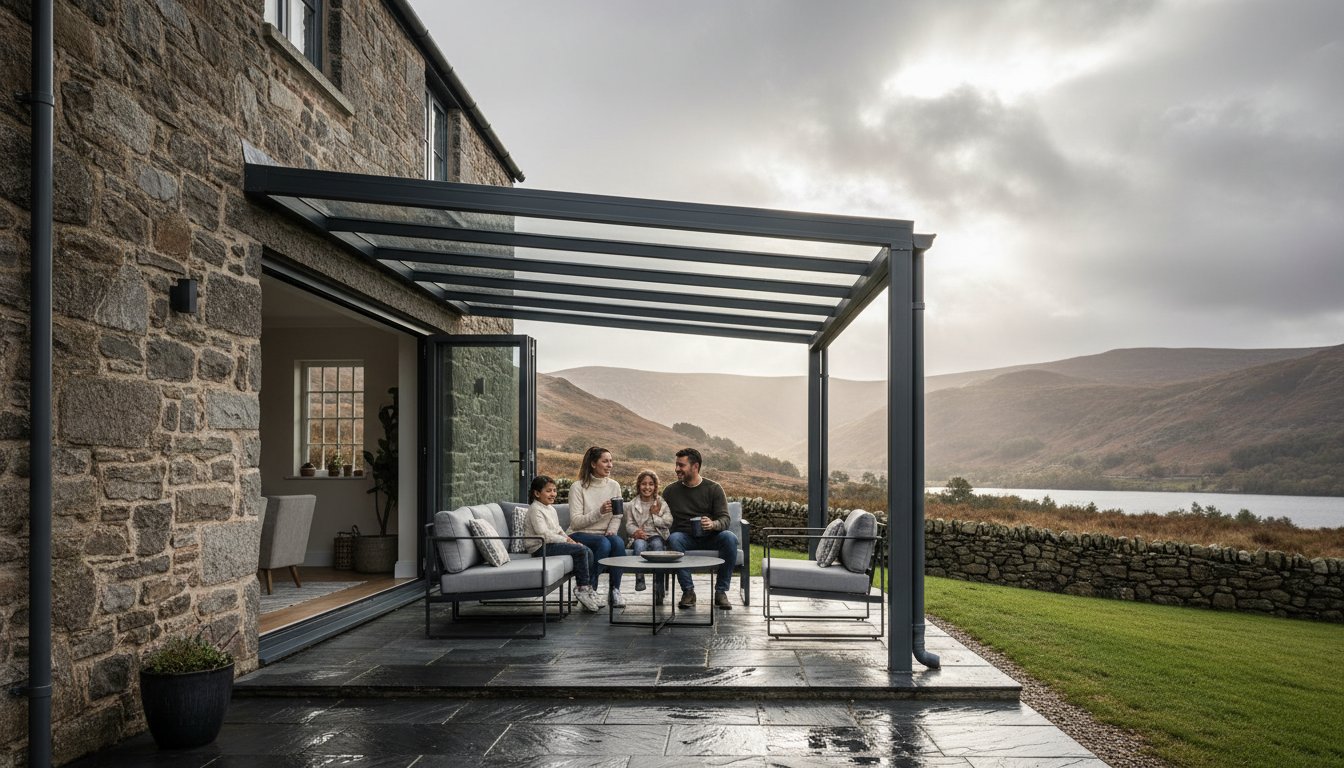
Cumbrian weather is notoriously unpredictable. You might start a lunch in bright sunshine and end it in a downpour. A fixed glass roof ensures your alfresco dining plans aren't cancelled by a passing shower. By integrating infrared heating and dimmable LED lighting, you can comfortably watch the sunset over Derwentwater well into October. These structures also protect your expensive garden furniture from the corrosive effects of constant dampness. You won't need to rush outside to move heavy cushions every time the clouds gather over the Langdales. It's about reclaiming the patio for year-round use, rather than treating it as a seasonal luxury.
Aluminium vs. Timber: The Maintenance Debate
Choosing the right material is vital for longevity in the North West. Timber structures often struggle with the high humidity levels found in the Lakes, where average winter humidity frequently exceeds 80%. Wood requires annual sanding, staining, and chemical treatments to prevent rot and warping. In contrast, powder-coated aluminium is a "fit and forget" material. It doesn't rust, peel, or require painting to maintain its structural integrity. For homeowners looking for long-term value, aluminium's durability makes it the most cost-effective choice. You can explore our range of high-specification aluminium products to see how they complement local stone and slate aesthetics.
The benefits of choosing aluminium for a Cumbrian climate include:
- Resistant to moss and algae growth common in damp, shaded Lakeland gardens
- Structural integrity that easily withstands heavy winter snow loads
- Zero risk of warping or twisting during rapid temperature fluctuations
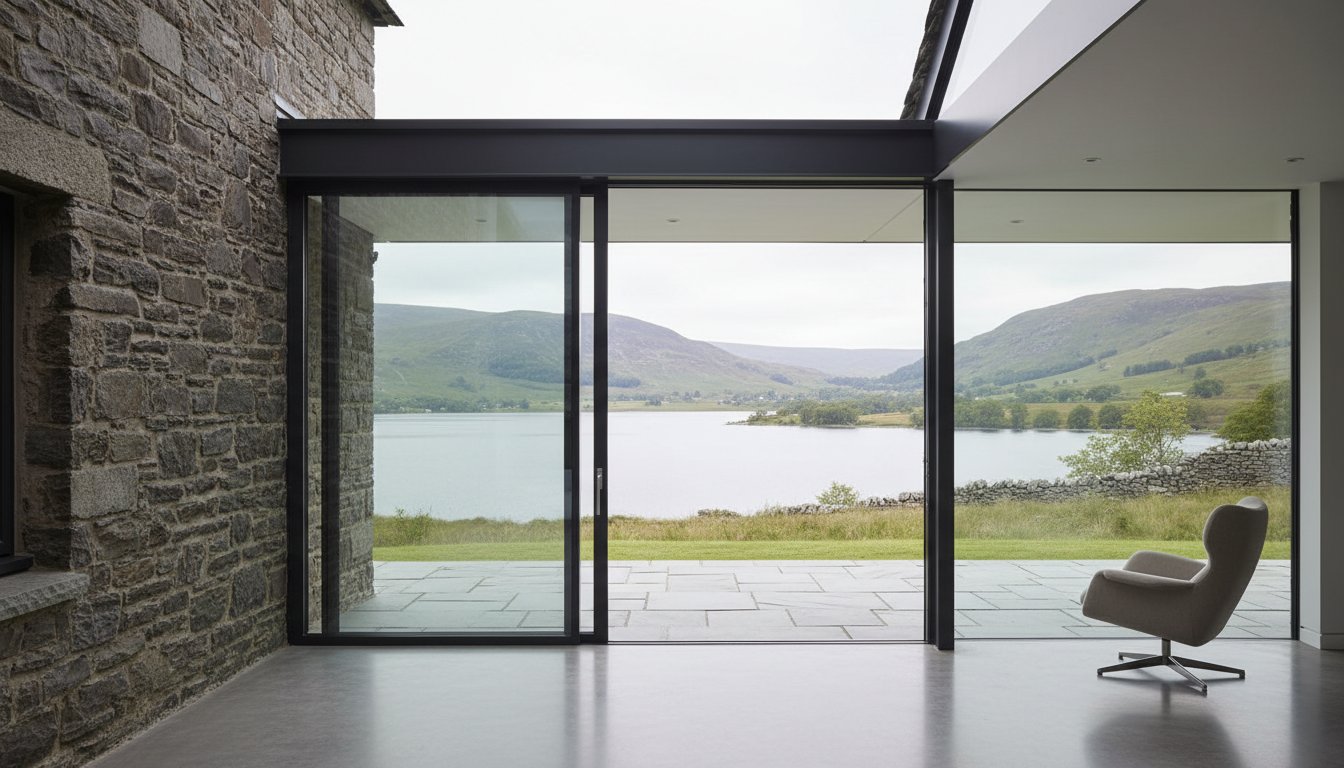
- Slimline profiles that maximise your views of the surrounding fells
Investing in a veranda is a significant decision. By opting for aluminium, you're choosing a material that mirrors the resilience of the landscape itself. It provides a sophisticated, low-maintenance shelter that allows you to enjoy the fresh Cumbrian air without the frustration of the wet weather.
Technical Specifications: Understanding Quality in Veranda Design
A veranda is more than an aesthetic addition; it's a structural extension of your home that must withstand the specific environmental pressures of the North West. Technical specifications define the lifespan and safety of your structure. We prioritise the use of high-grade 6063-T6 aluminium for every installation. This architectural-grade alloy provides the necessary tensile strength to support large spans without sagging. The T6 tempering process ensures the frame remains rigid, which is vital when aluminium verandas face the high wind loads common in elevated Cumbrian positions.
Glazing Choices for Maximum Light
Your choice of roofing material dictates how you'll use the space throughout the seasons. Clear, toughened safety glass is the premium option for homeowners who want an unobstructed view of the Lakeland fells. It provides a crisp, high-end finish that allows maximum light into the adjacent room. Alternatively, opal or tinted polycarbonate provides excellent UV protection and reduces solar gain on south-facing terraces. In the North West, self-cleaning glass coatings are a practical investment. These coatings use a dual-action process where sunlight breaks down organic dirt, and the frequent rainfall washes it away, keeping your view clear with minimal manual effort.
Structural Integrity and Engineering
Managing the heavy rainfall seen in parts of the Lake District requires precision engineering. High-quality systems feature integrated drainage where water is captured by reinforced guttering and directed through the internal cavity of the support posts. This creates a sleek profile without the need for unsightly external plastic downpipes. For wider spans, we often utilise internal steel inserts to provide extra rigidity. This allows for "slimline" designs that don't compromise on safety. Every joint is secured with hidden fixings to maintain a modern aesthetic, whilst high-performance EPDM seals ensure the structure remains watertight during driving rain.
For properties in coastal areas like Barrow or Lancaster, salt spray is a constant factor that can degrade inferior materials. We specify architectural-grade powder coating that acts as a protective shield against maritime corrosion. This finish won't peel or bubble, even in harsh conditions. Before finalising your design, we recommend reviewing the Permitted development rights to ensure your project aligns with national standards. If you're ready to explore specific configurations for your home, you can book a design consultation with our local team to discuss your requirements.
Professional Installation vs DIY Kits: Avoiding Costly Mistakes
Choosing between a mass-produced DIY kit and a bespoke installation is often the difference between a lifetime investment and a seasonal headache. While "off-the-shelf" kits appear cost-effective initially, they rarely account for the unique microclimates found across Cumbria. A kit designed for a sheltered suburban garden in the south will likely fail when facing a typical winter in Alston or Penrith. Our "7 Mistakes" framework is designed to protect homeowners from these exact scenarios, ensuring that your aluminium verandas don't just look the part but remain structurally sound for decades.
The Importance of Structural Calculations
Cumbria presents some of the most challenging weather conditions in the UK. Properties on the Cumbrian coast require specific wind load ratings to withstand gusts that frequently exceed 75mph during Atlantic storms. Similarly, homes in higher elevations like Alston must account for significant snow loads that can put immense pressure on a glazed roof. A "one size fits all" kit lacks the reinforced profiles needed for these extremes. We rely on technical guidance from the Council for Aluminium in Building to ensure every component meets rigorous safety standards. Professional site surveys allow us to specify the exact thickness of aluminium and glass required for your specific postcode; this prevents the sagging or rattling common in cheaper, lighter alternatives.
Expert Fitting and Groundworks
Precision is the foundation of a successful project. Even a minor 3mm deviation in the groundworks can lead to poor drainage or misaligned sliding doors in the future. Professional installers prioritise a perfectly level base, often involving complex groundworks that DIY enthusiasts might overlook. Wall-mounting aluminium verandas also requires deep expertise in local masonry. Fixing a structure to traditional Cumbrian sandstone is a vastly different process than mounting to modern cavity brickwork. Choosing professional installation is the only reliable way to guarantee a leak-free finish and a valid long-term warranty. We ensure the flashing and seals are integrated seamlessly into your property's existing architecture, providing a weather-tight seal that stands up to the heaviest Lake District downpours without fail.
Designing Your Veranda: Aesthetics and Architectural Integration
A well-designed veranda shouldn't look like an afterthought. It needs to function as a natural extension of your home's existing architecture. For properties across the Lake District, this means respecting local character whilst introducing modern durability. Choosing aluminium verandas allows for slim profiles that don't obscure those famous Cumbrian views. Whether your home is a traditional slate cottage or a contemporary new build, the structure must align with your existing aluminium windows and doors to create a cohesive visual language.
The layout you choose depends on your garden's footprint and how you intend to use the space. Three primary styles dominate the Cumbrian market:
- Lean-to designs: These are the most popular choice for terraced or semi-detached homes, fixed directly to the property to provide a seamless transition from the kitchen or lounge.
- Freestanding structures: Perfect for larger gardens in areas like Windermere, these allow you to create a dedicated "island" retreat away from the main house.
- Wrap-around verandas: Ideal for corner plots, these offer multiple aspects and protection from the changing Lakeland winds.
The RAL Colour Palette for Cumbria
Colour choice is vital for meeting aesthetic requirements in conservation areas like Grasmere or Ambleside. While RAL 7016 Anthracite Grey is the modern standard for 80% of our installations, heritage tones are gaining ground. Soft moss greens or deep creams often sit better against traditional Lakeland stone. We can provide custom colour matching to ensure your new structure perfectly complements your bespoke double french doors, maintaining a consistent aesthetic across the entire facade.
Seamless Indoor-Outdoor Flow
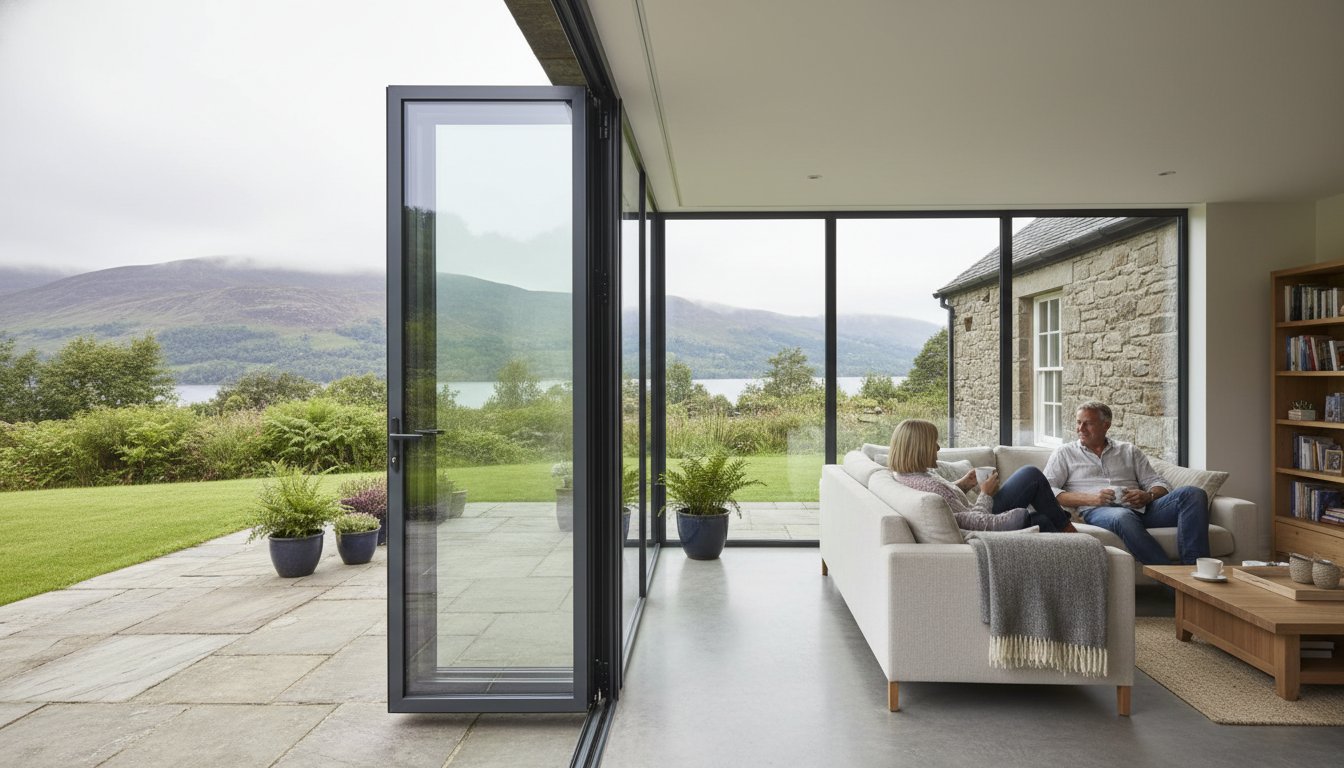
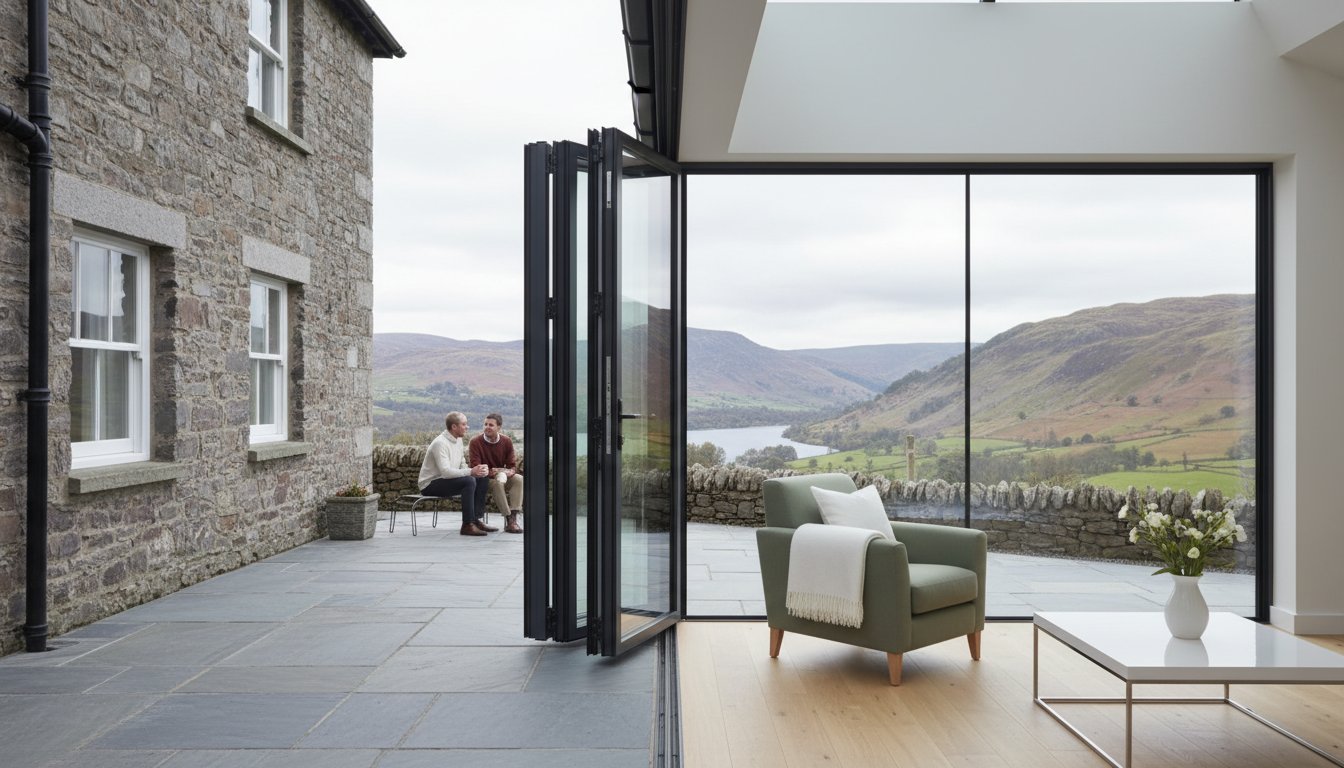
True architectural integration happens in the details. We often specify that veranda posts should align exactly with the frames of your bifold or sliding doors. This prevents vertical lines from breaking up your view of the fells. If you want to go a step further, adding glass sliding walls transforms aluminium verandas into a "glass room" effect. This setup provides 100% weather protection without losing the outdoor feel. It's a strategic investment that can increase property value by up to 10% by adding usable, high-specification square footage. Don't settle for a generic kit; your home deserves a bespoke solution that respects its unique character.
Ready to see how a custom design could transform your garden? Book a design consultation with our local team today.
Starting Your Project: The Windows in the Lakes Process
Choosing a local, family-run specialist ensures your home improvement project isn't just another number on a national sales spreadsheet. We've spent 35 years refining a process that prioritises your home's architectural integrity over quick commissions. Our approach is built on education. We'd rather you understand the technical requirements of high-quality Aluminium verandas than feel pressured into a sale that doesn't suit your property's specific needs.
From the initial design consultation to the final professional fitting, we act as your project partner. We don't use aggressive sales tactics; instead, we focus on providing the information you need to make an informed decision. This commitment to the Cumbrian community has made us a trusted name for homeowners who value durability and honest advice.
Our Survey-Led Approach
We don't believe in "guesstimates" or approximate pricing. Every project begins with a meticulous site survey conducted by an experienced technician. This stage is vital for identifying potential hurdles like complex drainage requirements or weathered masonry that national firms often overlook until the day of installation. By spotting these issues early, we can plan the structural fixings accurately.
This thoroughness allows us to provide a transparent, fixed-price quotation. You won't find hidden extras or "unforeseen costs" added halfway through the build. Our goal is to ensure the long-term performance of Aluminium verandas by getting the engineering right from day one.
Local Expertise Across Cumbria
Our team lives and works in the same communities we serve. Whether you're in the historic centre of Carlisle, the elevated suburbs of Kendal, or a lakeside property in Windermere, we understand the local building styles and weather patterns. You can review our featured projects to see how we've adapted our designs to suit various Cumbrian landscapes.
- 35 Years of Experience: Three decades of glazing and structural expertise in the Lake District.
- No Hard Sell: We provide professional consultations, not high-pressure sales pitches.
- Bespoke Engineering: Every veranda is tailored to the specific wind loads and drainage needs of your site.
We're proud to be a "safe pair of hands" for your home renovation. If you're ready to see what's possible for your garden, you can request a bespoke quote today. We'll help you start the conversation and guide you through every technical choice to ensure your new outdoor living space is perfect for year-round use.
Elevate Your Outdoor Living Experience
Choosing the right addition for your home requires a balance of technical precision and local understanding. Aluminium verandas offer a modern, slimline solution that withstands the specific demands of the Lake District climate whilst enhancing your property's value. By opting for a professional Supply, Survey & Full Installation instead of a generic kit, you protect your investment from common structural mistakes. Our team brings over 35 years of Cumbrian expertise to every project, ensuring your new space is both beautiful and built to last. We offer no-obligation design consultations across the region to help you make an informed decision without any pressure. It's an opportunity to see how bespoke engineering can transform a simple patio into a year-round sanctuary. Your garden shouldn't be off-limits just because the weather changes; it should be a functional extension of your home's interior.
Start the conversation about your bespoke Cumbrian veranda today
We look forward to helping you create a space that you'll enjoy for decades to come.
Frequently Asked Questions
Do I need planning permission for an aluminium veranda in the Lake District?
Most aluminium verandas fall under Permitted Development, so you won't usually need a full planning application if the structure is single-storey and under 3 metres high. However, the Lake District National Park Authority enforces stricter rules in Conservation Areas or on listed buildings. We recommend checking the Planning Portal or your local council's Article 4 directions to avoid expensive mistakes before starting your project.
How much wind can an aluminium veranda withstand in exposed Cumbrian areas?
Our structures are engineered to withstand wind speeds of up to 120km/h, which is essential for homes on exposed Cumbrian fells. The high-grade 6063-T6 aluminium frames and reinforced glazing bars ensure the structure remains stable during the 70mph gusts common in the North West. We use heavy-duty fixings and deep concrete foundations to keep your outdoor space secure throughout the winter months.
Can an aluminium veranda be fitted to a bungalow or a house with low eaves?
You can fit a veranda to a bungalow or a property with low eaves by using a bespoke goalpost support frame or specialised wall brackets. These technical solutions allow us to mount the roof pitch below the gutter line or even above the roofline if needed. Our surveyors ensure the final height provides at least 2.1 metres of clearance, maintaining a spacious feel even on smaller properties.
What is the difference between a veranda and a pergola?
The primary difference lies in the roof; a veranda features a permanent, fixed cover while a pergola usually has an open-slatted or fabric roof. Aluminium verandas provide total protection from the Cumbrian rain with integrated guttering and 8mm toughened glass. Pergolas are fantastic for shade in summer, but they don't offer the same year-round dry space that a fully glazed veranda provides.
How do I clean and maintain my aluminium veranda?
Maintaining your structure is remarkably simple and only requires a wash with warm soapy water twice a year. Unlike timber structures that need painting every 3 years, the powder-coated finish on our aluminium verandas resists peeling and rust for over 25 years. You should also clear the integrated guttering of leaves every autumn to ensure the internal drainage system continues to work efficiently.
Can I add glass sliding doors to my veranda later on?
Most of our modular systems allow you to add glass sliding doors or side panels at a later date. This phased approach lets you spread the cost while still enjoying your covered space immediately. We specify the original frame to handle the additional weight of the glazing, so you won't have to replace the entire structure when you're ready to upgrade to a glass room.
How long does a professional veranda installation typically take?
A professional veranda installation typically takes between 1 and 2 days to complete once the groundworks are ready. Our team manages the entire process, including the initial survey, supply, and full installation, to ensure everything meets professional standards. This efficient timeline means your garden remains a building site for the shortest time possible, letting you enjoy your Lake District views sooner.
Are aluminium verandas suitable for coastal properties in Barrow or Lancaster?
Aluminium is an ideal material for coastal properties in Barrow or Lancaster because it doesn't corrode like steel or rot like wood. For homes within 5 kilometres of the Irish Sea, we recommend a Seaside grade powder coating that meets Qualicoat standards. This specialised finish protects the frame from salt spray and prevents the white powdery oxidation that often ruins inferior metal products in marine environments.