What if the traditional brick-and-mortar extension you've been planning for your Lake District home is actually the quickest way to lose your favourite view and plunge your existing lounge into permanent shadows? Most homeowners in Cumbria naturally assume a solid build is the only way to add year-round square footage, even if it means enduring 16 weeks of site mess and the stress of a complex planning application. You might be asking yourself, "Why is a glass room better than an extension?" especially when considering the strict architectural demands of our local conservation areas.
We agree that your home deserves a bright, versatile space that celebrates the Cumbrian landscape rather than blocking it out. This guide explains why a bespoke aluminium glass room offers superior light and a significantly faster installation timeline, with many high-specification projects completed in under 7 days. We'll preview the planning-friendly benefits of these slimline structures and show you how to achieve a seamless, high-performance living area whilst avoiding the dark, enclosed feel of a conventional masonry extension.
Key Takeaways
- Understand how a high-performance glass room can be installed in a matter of weeks rather than months, often bypassing the complex planning hurdles common in the Lake District.
- Discover why is a glass room better than an extension? by comparing how slimline aluminium frames and architectural glazing maximise natural light and preserve your Lakeland views.
- Learn how bespoke aluminium structures are specifically engineered to withstand the Cumbrian climate, providing a durable, low-maintenance alternative to traditional rendered brickwork.
- Identify the seven critical mistakes to avoid when selecting a glazing contractor in the North West to ensure your project adds maximum value to your property.
- Explore our "Consultant-First" process, which prioritises professional education and a full "Survey, Supply, and Fit" service to guarantee a seamless home transformation.
Defining the Modern Glass Room in the Cumbrian Landscape
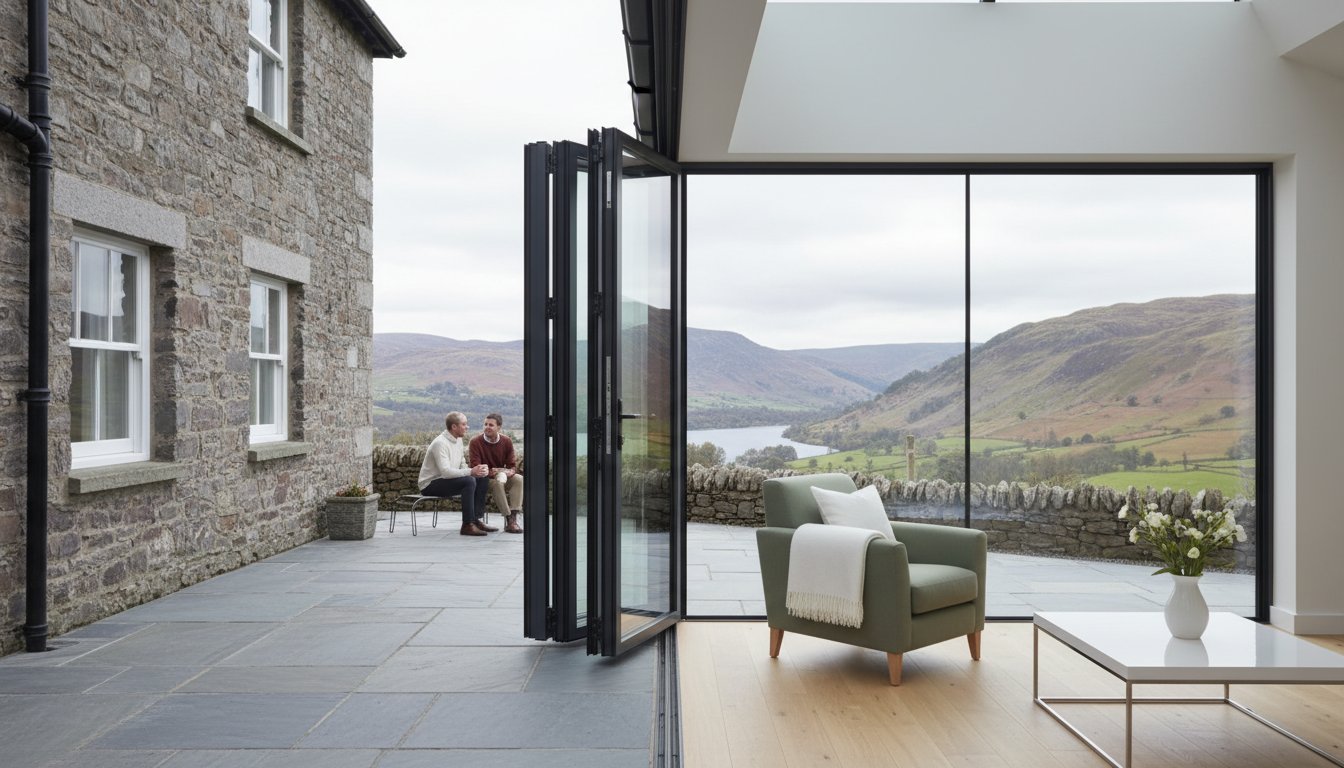
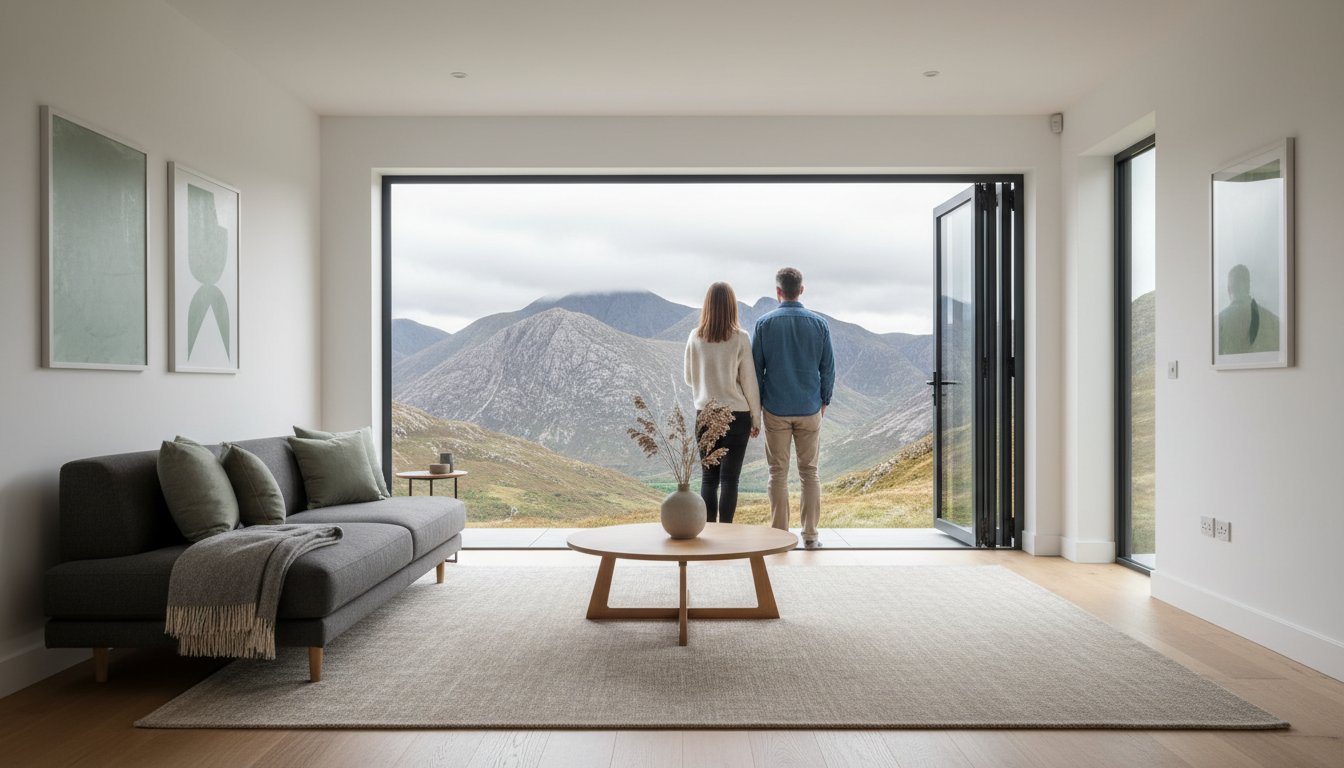
A modern glass room is a high-performance architectural statement engineered specifically for the unique demands of the Cumbrian climate. Unlike a standard brick addition, these structures utilise architectural-grade glazing and precision-engineered aluminium frames to create a space that remains functional every day of the year. Homeowners across Penrith and Windermere are shifting away from traditional masonry because they want to capture the dramatic Lakeland light rather than block it out. When considering your home's evolution, the question often arises: why is a glass room better than an extension? The primary reason is the "glass first" design philosophy, which ensures your existing living areas don't lose their natural brightness when you add more square footage.
The aesthetic transition from heavy stone or brickwork to transparent, sleek lines represents a significant change in how we use our homes. In the Lake District, where the landscape is the main attraction, a glass room acts as a high-tech viewing gallery. These structures provide the durability of a permanent room whilst maintaining the visual lightness that a solid extension simply cannot match. It's a sophisticated way to add value without compromising the architectural integrity of a traditional Cumbrian property.
Glass Room vs Conservatory: The Technical Distinction
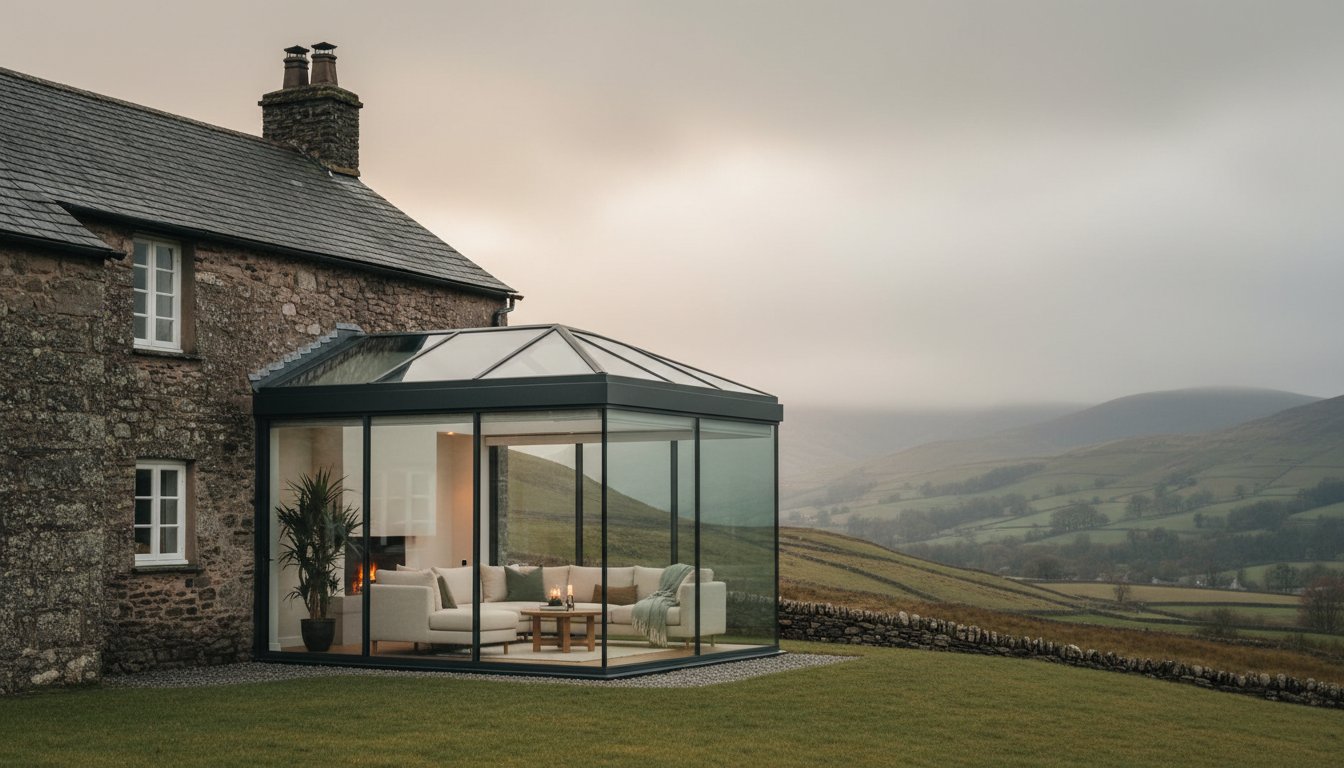
It's a common mistake to group glass rooms with traditional conservatories, but the technical specifications tell a different story. A glass room prioritises thermal performance through advanced gas-filled units and thermal breaks in the aluminium, making them comfortable in December, not just July. This differs significantly from the legal definition of a conservatory, which historically focused on plant cultivation and often lacked the insulation required for modern living. While uPVC or timber frames can struggle with the damp, windy conditions of the fells, aluminium offers superior structural integrity. This strength allows for slimline or even frameless aesthetics, which means you get more glass and less profile, ensuring your views of the garden or the fells remain entirely uninterrupted.
Why Light is the New Luxury in Lake District Homes
Solid extensions can inadvertently create "dead zones" in the heart of your house. By adding a traditional roof and walls, you often starve the original rooms of their primary light source, leaving them feeling dark and disconnected. A glass room avoids this by acting as a light well, flooding the interior of your home with sunshine. This biophilic design approach is more than just a trend; it offers genuine psychological benefits by strengthening your connection with the outdoors. It's an ideal solution for bridging the gap between historic stone architecture and modern living. In villages like Grasmere or Keswick, a transparent glass structure provides a sleek, respectful contrast to heritage stone, creating a functional bridge between the old and the new. If you're ready to explore how this could work for your property, you can book a design consultation to see the possibilities firsthand.
Speed, Planning, and Light: Three Critical Advantages Over Extensions
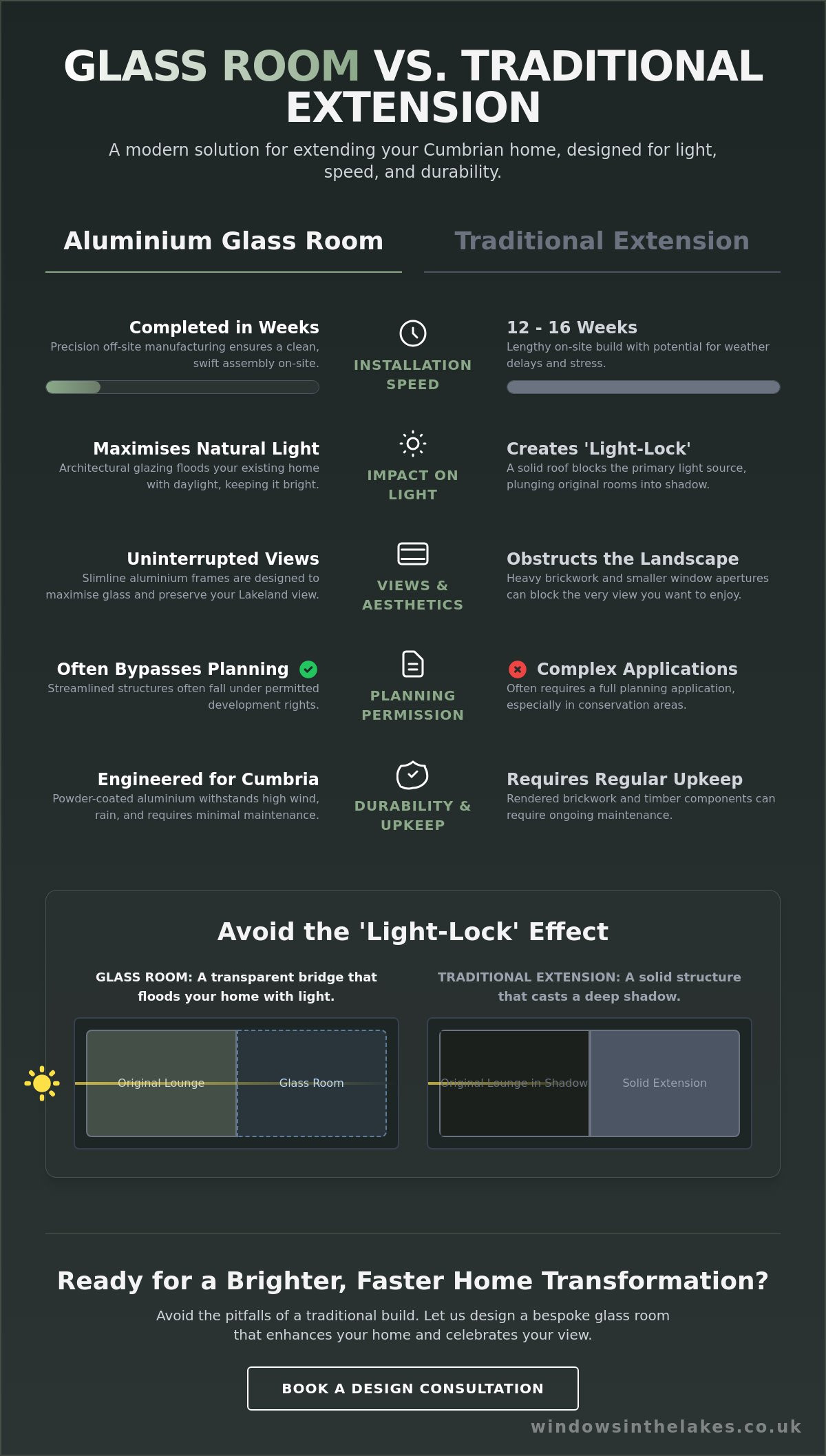
Choosing between a glass room and a traditional brick extension often comes down to how quickly you want to enjoy your new space. While a standard extension in Carlisle might take 12 to 16 weeks of active construction, a glass room installation is typically measured in weeks. This efficiency stems from precision engineering. We manufacture the aluminium components off-site, which means the on-site phase is a clean assembly rather than a messy, unpredictable build. It's a more streamlined way to add value to your home without the long-term stress of a building site.
One of the most overlooked issues with brick additions is the "light-lock" effect. When you bolt a solid-roof extension onto your lounge, you often plunge the original room into darkness. A glass room solves this by acting as a transparent bridge. It preserves the 100% natural light flow into your existing home while providing a high-performance thermal barrier. Why is a glass room better than an extension? It protects the architectural integrity and brightness of your original floor plan instead of compromising it.
Bypassing the Planning Headache in Cumbria
Many homeowners in Kendal or Keswick dread the bureaucracy of local councils. However, many single-storey glass structures fall under Permitted development rights. This means you can often bypass the full planning application process entirely. Planners in the North West often view glass more favourably than bulky brickwork because it feels lighter and less intrusive. You still need to follow specific rules regarding "Principal Elevations," especially in conservation areas, but the path is usually much smoother.
Minimal Disruption to Your Daily Life
The "off-site" advantage is a genuine game changer. Most components are precision-engineered before arriving at your property. This avoids the "mud and dust" phase that defines traditional building projects. You maintain access to your garden throughout the shorter installation window. Since aluminium is lightweight, we avoid the heavy 1-metre-deep foundations required for brickwork. Your lawn stays a lawn, not a building site. If you want to explore how these structures fit your specific plot, you can request a quote for a tailored assessment.
Why is a glass room better than an extension? Consider these technical advantages:
- Reduced Groundwork: No need for the heavy foundations of a two-storey extension.
- Speed: A typical project is completed 60% faster than a brick build.
- Versatility: Slimline frames offer better views of the Cumbrian fells than thick cavity walls.
- Thermal Efficiency: Modern glazing technology matches the insulation levels of many older extensions.
Comparing Durability, Disruption, and Investment Value
Choosing between a traditional masonry build and a modern glass structure often comes down to long-term resilience. In the damp climate of the Lake District, rendered brickwork requires significant upkeep, with repainting typically needed every 5 to 7 years to prevent moss growth and staining. High-grade powder-coated aluminium frames offer a 40-year lifespan with nothing more than an occasional wipe down. Why is a glass room better than an extension? Much of the answer lies in the speed of delivery. A standard extension involves months of groundwork, skips, and internal mess. Because glass rooms are precision-engineered off-site, the installation is often 75% faster than traditional builds. According to the UK government's Planning Portal, many glass-led structures fall under permitted development, which can remove the 8-week wait for planning permission required for solid extensions.
Security remains a primary concern for Cumbrian homeowners. We specify multipoint locking systems as standard across our range of aluminium products. These systems engage at multiple points along the frame, making them significantly harder to breach than the single-point locks found on older timber doors. We use 6mm or 8mm toughened safety glass that meets BS EN 12150 standards, ensuring the structure is as secure as a brick wall while providing far superior views.
The ROI of Architectural Glazing
A bespoke glass room adds immediate kerb appeal to high-end Cumbrian real estate. While a brick extension adds square footage, a glass room adds a "lifestyle gallery" that captures the Lakeland landscape. Analysis of the "cost per usable hour" shows that glass rooms often provide better value. Traditional extensions can feel dark and claustrophobic on overcast days, leading to them being used less frequently. Aluminium frames maintain their structural integrity and sleek appearance far longer than uPVC or timber, which can warp or discolour after 10 years of exposure to UV light and rain.
Thermal Performance and Year-Round Comfort
Modern "warm glass" technology has eliminated the "greenhouse effect" associated with old conservatories. We use polyamide thermal breaks within the aluminium frames to act as a barrier, stopping cold air from transferring into your home. This technology prevents the condensation and cold spots that used to plague glass buildings. Solar control glass is another essential feature, reflecting up to 78% of solar heat during the summer while retaining internal warmth during the winter. By integrating slimline electric heaters or underfloor heating, you create a seamless transition from your main living area that remains comfortable even when the temperature drops to sub-zero in the fells.
Navigating Lake District Planning and Weather Constraints
Building in Cumbria requires a level of structural foresight that standard national installers often overlook. The local terrain, from the exposed heights of Alston to the rain-swept valleys of Ambleside, presents unique challenges for any home improvement project. Why is a glass room better than an extension? In the context of the Lake District, the answer often involves a simpler relationship with planning authorities and a design that's engineered specifically for high-exposure environments.
Building for the Cumbrian Climate
Standard UK glazing specifications rarely suffice for the Lakeland fells. While a typical southern extension might focus on basic insulation, a glass room in Alston must withstand driving rain and gale-force winds that can exceed 80mph during winter storms. We specify weather-rated seals and integrated drainage systems that move water away from the structure faster than traditional guttering. Wind load is the calculation of the total pressure air movement exerts against a building, and it dictates the necessary reinforcement for every aluminium profile we install. Without this precision, structures can rattle or leak under the pressure of Cumbrian weather. Choosing the wrong specification is one of the 7 mistakes to avoid when choosing a glazing contractor in the North West, as it leads to costly remedial work within just a few seasons.
Heritage and National Park Sensitivity
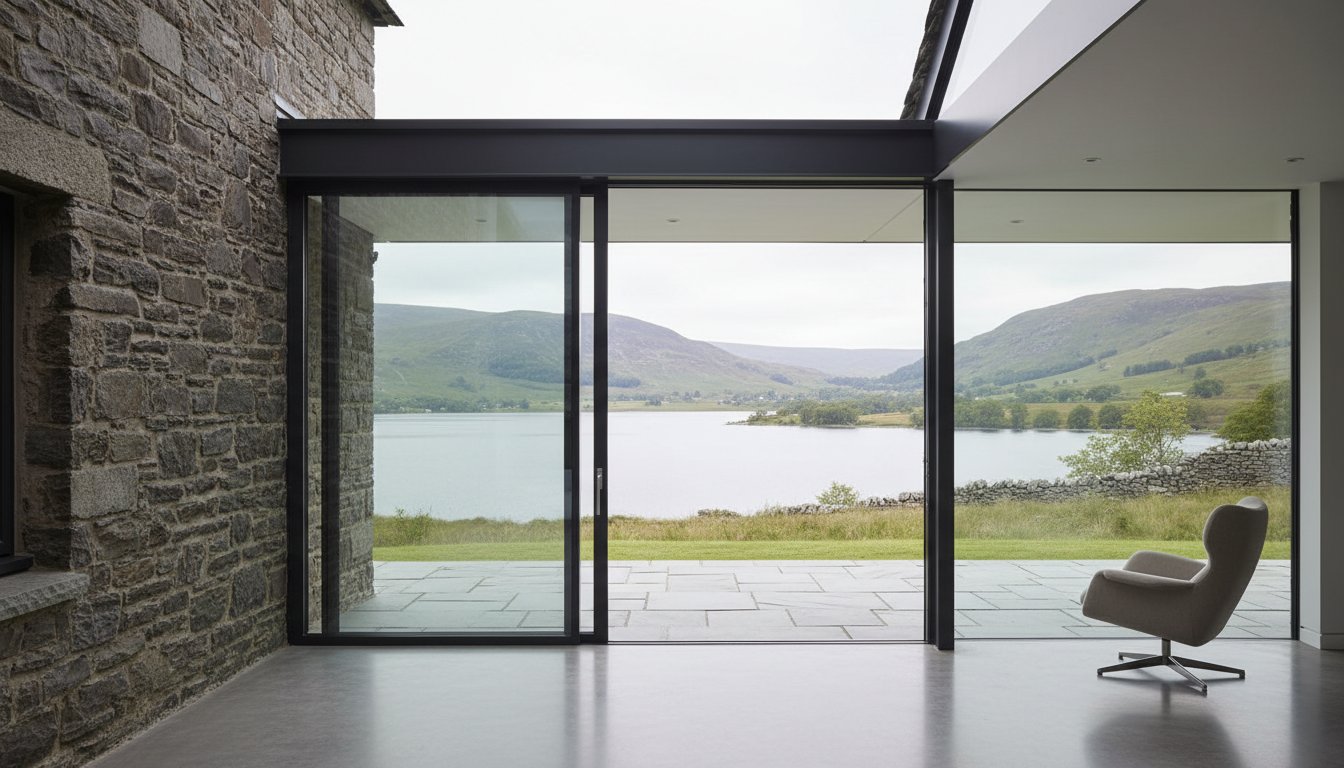
If your home sits within the Lake District National Park Authority (LDNPA) boundaries, aesthetic cohesion is a legal requirement, not just a preference. Traditional extensions often struggle to match historic stonework, whereas a slimline aluminium glass room offers a "light touch" that planning officers frequently prefer. We utilise heritage-style aluminium frames that mimic the sightlines of traditional steel windows, ensuring the structure complements rather than clashes with local slate and limestone buildings. Selecting the right RAL colour is vital; we often recommend deep greys or moss greens that blend into the fellside. To see how we adapt our designs for specific Cumbrian towns, you can view Our Locations for area-specific expertise.
Why is a glass room better than an extension? For many homeowners in conservation areas, it's about the speed of approval. A glass structure is often viewed as a reversible, sympathetic addition to a period property. This allows you to gain the extra space you need without the heavy masonry work that can sometimes obscure the original character of a Lakeland cottage. Our team manages the survey and specification process to ensure your project meets the highest professional standards from the first day on-site.
Ready to see how a bespoke glass room can transform your home while respecting local planning rules? Book a design consultation with our specialist team today.
Designing Your Bespoke Glass Room with Windows in the Lakes
Choosing a significant home improvement shouldn't feel like a gamble. We prioritise a consultant-first approach that focuses on your education before any installation begins. We believe that an informed homeowner is a happy one. By understanding the technicalities of slimline aluminium and high-performance glazing, you can make decisions that add genuine value to your property. Many homeowners ask us, why is a glass room better than an extension? The answer usually lies in the bespoke tailoring we offer, allowing for a level of light and architectural integration that traditional brickwork simply cannot match.
Our "Survey, Supply, and Fit" model is designed specifically for the unique demands of Cumbrian homes. We don't just drop off materials and leave you to find a builder. We manage the entire process to ensure your vision becomes a structural reality. You have a wealth of customisation options at your fingertips, including:
- Ultra-slim sliding patio doors for uninterrupted views of the Lakes.
- Integrated flat rooflights that invite vertical light into the heart of your home.
- Custom RAL colours to match your existing window frames or local stone.
- High-specification solar control glass to keep the space comfortable year-round.
The Windows in the Lakes Professional Standard
We've built our reputation on a refusal to compromise. This is why we exclusively use premium aluminium and refuse to install uPVC for these structures. Aluminium provides the structural integrity needed for large glass spans whilst maintaining the sleek, modern aesthetic our clients expect. A professional survey is a core part of our standard. It prevents the 20% of on-site errors often caused by generic measurements. You can see how this attention to detail has transformed local homes by reading our Product Reviews from clients across the county.
Your Next Steps to a Brighter Home
Starting the conversation is easy. Your initial design consultation in Penrith or Kendal is a collaborative session where we map out your requirements and identify potential site constraints. We manage every stage of the project, from the first architectural drawing to the final glass polish. If you've been wondering why is a glass room better than an extension for your specific plot, our experts will provide a clear, technical comparison. We take pride in being a safe pair of hands for your investment. Book a Design Consultation today to explore your options and see how we turn your ideas into a stunning, light-filled reality.
Choosing a Brighter Future for Your Home
Deciding on the right way to expand your living space involves balancing aesthetics with practical constraints. A modern glass room offers a streamlined alternative to traditional builds, providing faster installation times and significantly less site disruption. By utilising high-performance aluminium glazing, these structures maximise natural light and offer a seamless connection to the Cumbrian landscape that solid walls simply can't match. When homeowners ask Why is a glass room better than an extension?, the answer is found in the superior speed of delivery and the ability to navigate Lake District planning constraints with greater ease.
With over 35 years of industry experience across the North West, Windows in the Lakes provides a full-service installation throughout Cumbria. We specialise in bespoke, high-performance aluminium solutions designed to withstand local weather whilst enhancing your property's value. Our expert team handles every step, from the initial survey to the final professional installation, ensuring you avoid common renovation pitfalls and expensive mistakes.
Start the conversation and request a quote for your bespoke glass room today. We look forward to helping you create a stunning, light-filled space that you can enjoy throughout the seasons.
Frequently Asked Questions
Do I need planning permission for a glass room in the Lake District?
Most glass rooms fall under permitted development rights, so you won't always need full planning permission. However, the Lake District National Park Authority enforces stricter rules, especially within Conservation Areas or for listed buildings. We recommend a consultation to check specific Article 4 directions that might affect your property. Our team handles the survey process to ensure your aluminium structure meets all local Cumbrian building standards.
Is a glass room as warm as a brick extension during a Cumbrian winter?
Modern glass rooms use high-performance glazing with U-values as low as 1.0 W/m²K, keeping them remarkably comfortable during colder months. Whilst a brick wall provides more thermal mass, the solar gain from expansive glass panels often keeps the space bright and warm on crisp, sunny days. It's a primary reason why a glass room is better than an extension for homeowners who want to enjoy the Lake District landscape without feeling the chill.
How much does a bespoke aluminium glass room cost compared to an extension?
A bespoke aluminium glass room typically costs between £15,000 and £45,000 depending on the size and specification. In contrast, 2024 industry data suggests a traditional brick extension in the UK starts at roughly £2,000 per square metre. Because glass rooms require less intensive groundworks and fewer weeks of on-site labour, they often represent a more cost-effective way to add premium living space to your home.
Can I use a glass room as a permanent home office or kitchen?
You can certainly use a glass room as a permanent home office, but a kitchen requires more complex structural considerations. The slimline aluminium frames and acoustic glazing create a quiet, inspiring workspace with 360-degree views of your garden. If you're planning a kitchen, you'll need to account for heavy plumbing and extraction systems. Most of our clients find these spaces are best suited as light-filled studios, dining rooms, or lounges.
How long does it take to install a glass room in Cumbria?
Most aluminium glass rooms are installed within 7 to 10 working days once the base is prepared. This is a significant advantage over a traditional brick extension, which often takes 12 to 16 weeks to complete. Because we use precision-engineered components, the "Supply, Survey & Full Installation" process is clean and efficient. You won't have to deal with months of builders on-site or the mess associated with major construction.
Will a glass room add more value to my house than a traditional extension?
A high-quality glass room can add between 5% and 10% to your property's market value, which is comparable to a standard extension. However, the aesthetic appeal of slimline aluminium often attracts a higher volume of interest in the competitive Cumbrian property market. When buyers ask why is a glass room better than an extension, they're often won over by the unique architectural style and the seamless connection to the outdoors.
What is the difference between a glass room and a conservatory?
The main difference is the structural design and the quality of the materials used. Conservatories often rely on thick uPVC frames and can feel like a separate "bolt-on" addition to the house. A glass room uses sleek, architectural aluminium and often features frameless glass-to-glass corners for an uninterrupted view. It's designed to be a high-end, contemporary space that feels like a natural part of your home's architecture.
Is the glass used in these rooms easy to clean and maintain?
Modern glass rooms are very easy to maintain, especially if you choose self-cleaning glass coatings. These coatings use a chemical reaction with UV light to break down organic dirt, which then washes away when it rains. The aluminium frames are finished to professional standards with durable powder coating. This means they won't rust, rot, or need repainting like timber. A quick wipe with soapy water twice a year is all that's required.