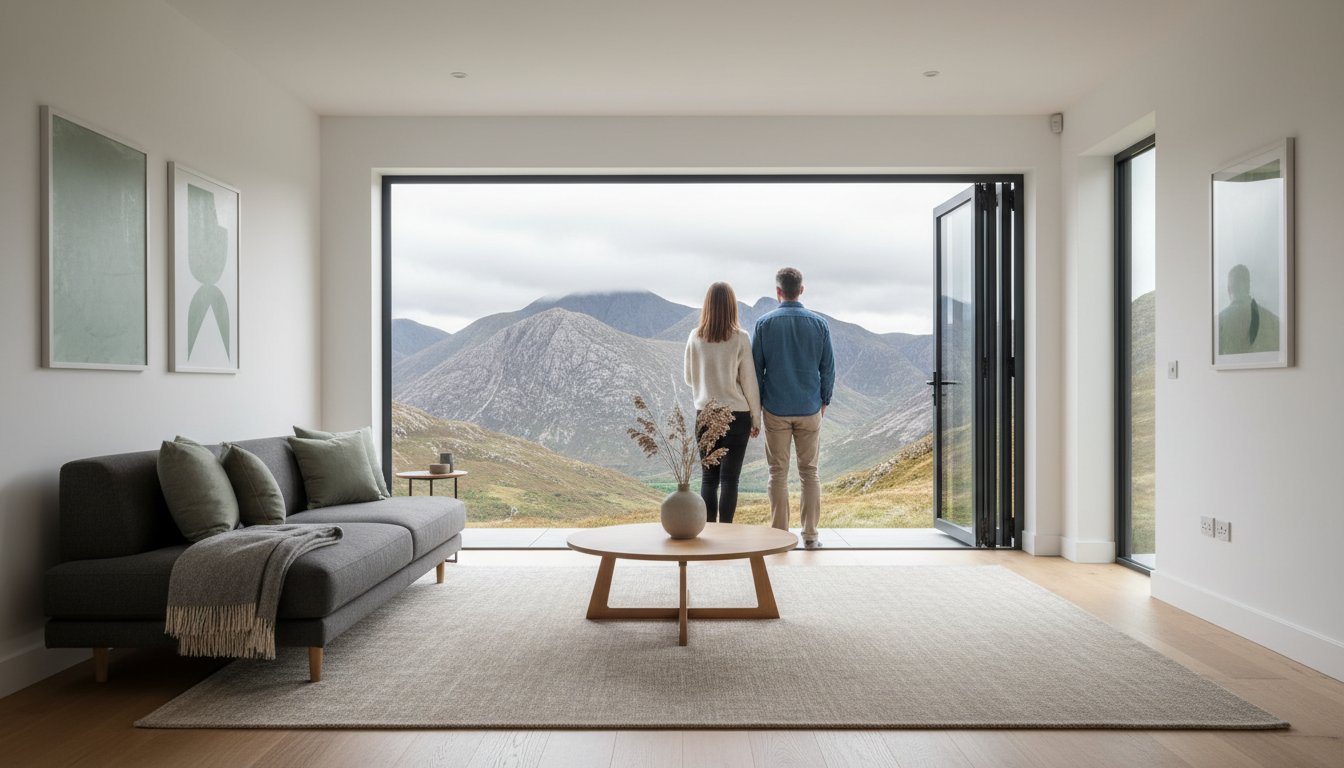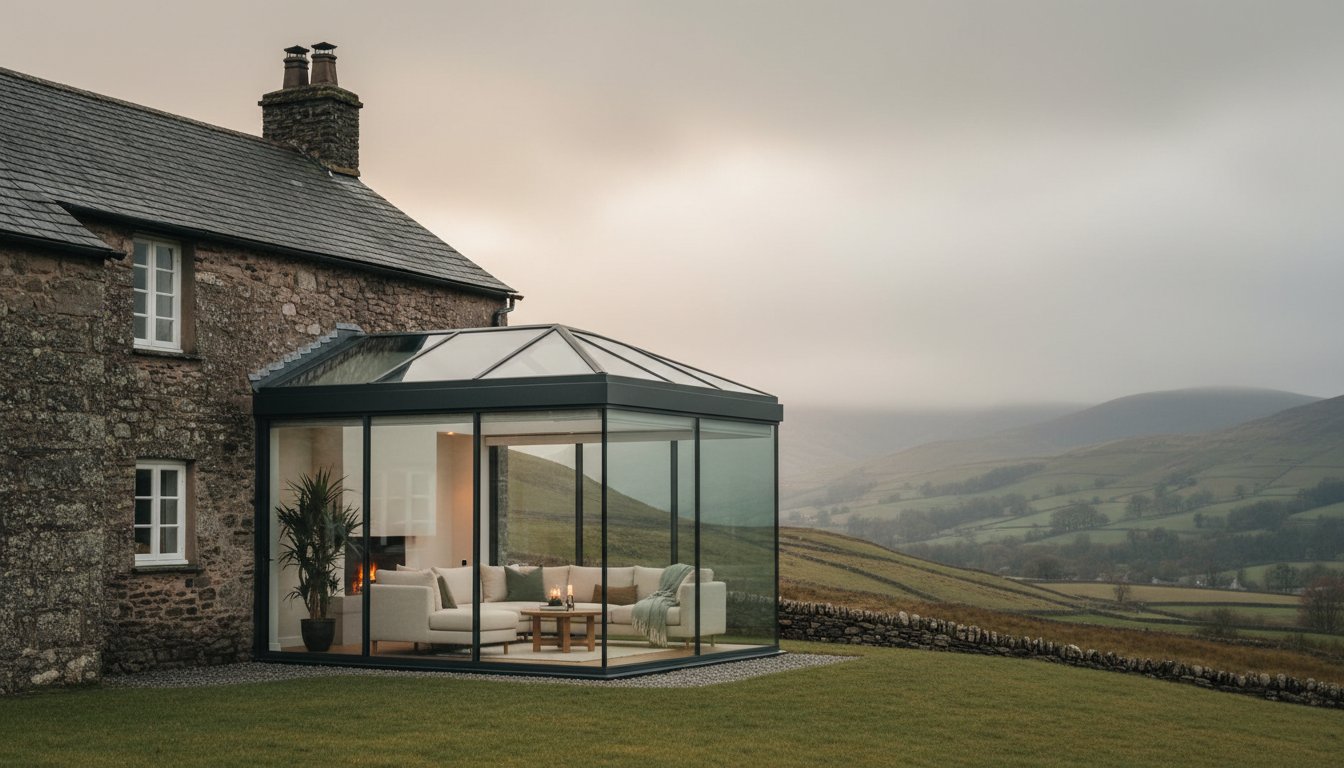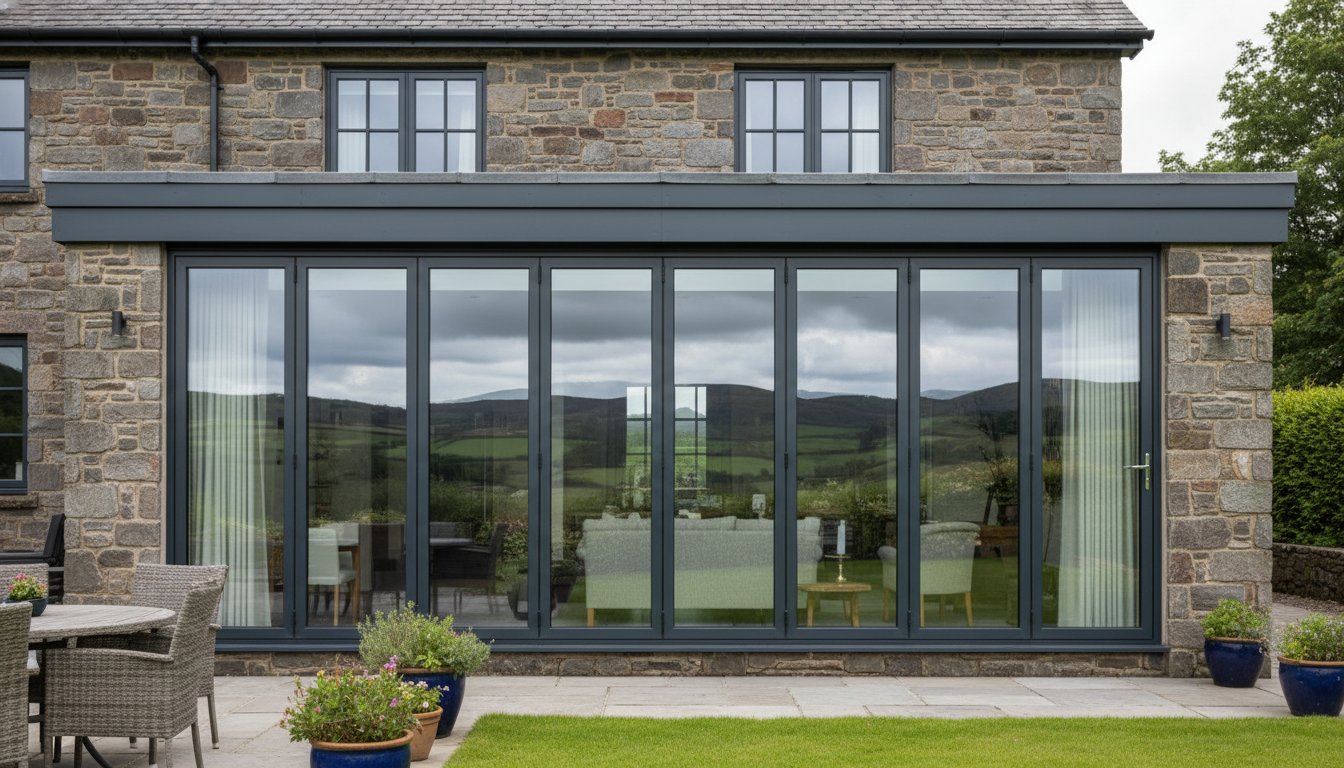
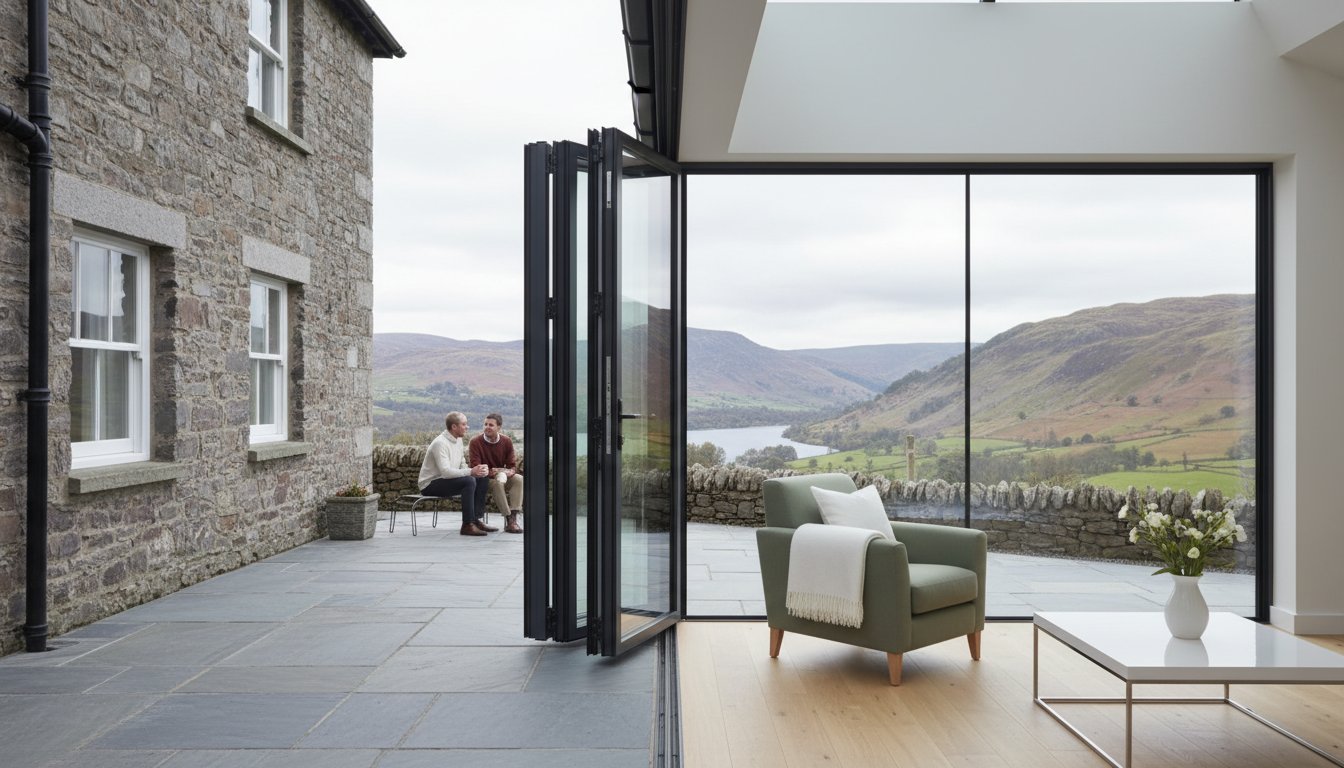
What if you could capture the panoramic beauty of the Lake District fells without the biting wind or the persistent Cumbrian drizzle? Most homeowners in the North West understandably worry that an all-glass structure will either become an unusable sauna in July or a walk-in freezer by November. You've likely seen the outdated conservatories of the past that struggle to meet modern thermal standards or fail to satisfy strict Lake District National Park planning requirements. It's a common concern that high-maintenance glazing might lead to more work than enjoyment.
This 2026 guide explains how advanced architectural glazing has evolved to solve these specific regional challenges. Will a glass room suit your property and lifestyle? We'll help you discover if this is the right investment for your home, focusing on how high-specification aluminium and solar-control glass can maintain a steady 21 degrees Celsius regardless of the weather outside. We will examine the latest planning regulations for Cumbrian heritage zones, break down the thermal performance of modern glass, and show you how to achieve a seamless indoor-outdoor connection that adds genuine value to your property.
Key Takeaways
- Distinguish between a traditional conservatory and a bespoke, slimline architectural glazing solution designed for 2026 performance standards.
- Understand how modern solar control glass regulates temperatures, ensuring your space remains comfortable throughout the Cumbrian winter and summer.
- Navigate the specific planning requirements of the Lake District National Park Authority (LDNPA) to ensure your project is compliant and protected.
- Analyse the long-term ROI and discover will a glass room be the right investment to enhance your property’s market value and aesthetic appeal.
- Learn how to start the conversation by selecting the ideal configuration of doors, rooflights, and smart features for your unique layout.
Understanding the Modern Glass Room: More Than Just a Conservatory
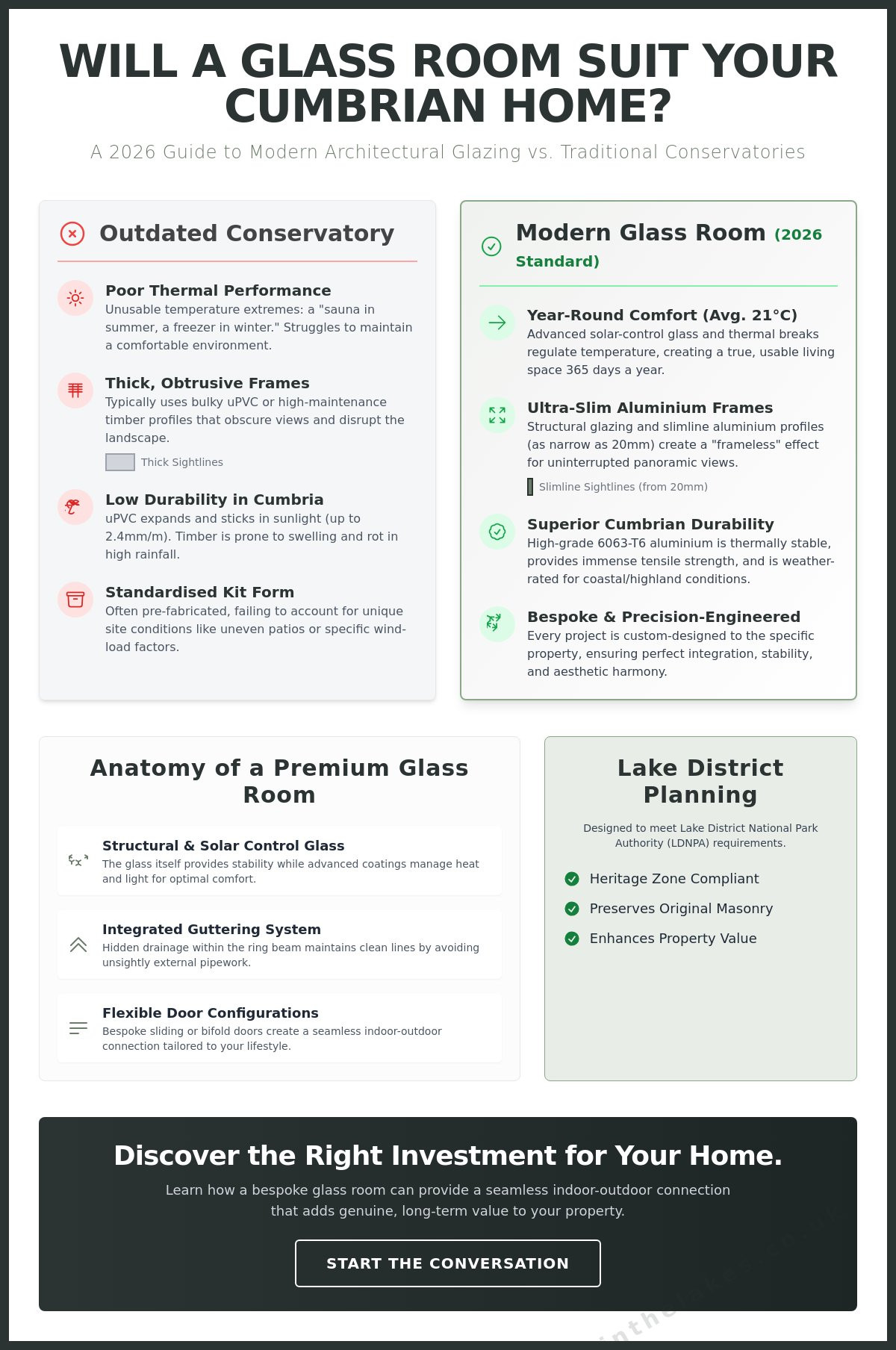
Will a glass room transform your living space or simply become another unused outbuilding? In 2026, the definition of architectural glazing has shifted far beyond the draughty white uPVC conservatories of the past. A modern glass room is a precision-engineered, high-performance structure designed with minimal aluminium framing to prioritise uninterrupted views. While traditional conservatories often rely on thick plastic profiles that obscure the horizon, these contemporary installations use structural glass to create a "frameless" effect. This ensures the building feels like a transparent extension of the landscape rather than a bulky add-on.
Choosing aluminium over timber or uPVC isn't just a matter of style; it's a structural necessity for the Cumbrian climate. Aluminium, specifically high-grade 6063-T6 alloys, provides the tensile strength required to support massive glass spans without needing thick support pillars. Timber often swells or rots in the Lake District's high rainfall, and uPVC can expand by up to 2.4mm per metre in direct sunlight, leading to sticking doors. Aluminium remains thermally stable and sleek for decades, making it the only professional choice for a long-term investment.
The Anatomy of a Premium Glass Room
Ultra-slim aluminium profiles are the backbone of any premium installation. These systems allow for sightlines as narrow as 20mm, which is vital when you're framing the dramatic silhouettes of the Lakeland fells. Using structural glazing means the glass itself contributes to the building's stability. This creates a seamless transition where the boundary between your sofa and your garden practically disappears. Every project must be bespoke. A pre-fabricated kit cannot account for the uneven levels of a Lakeland slate patio or the specific wind-load requirements of an exposed hillside near Coniston.
Glass Room vs. Sunroom: Choosing the Right Structure
The distinction between a fully enclosed glass room and an open-sided veranda often comes down to your specific lifestyle needs. Will a glass room suit the heritage of a traditional stone cottage in Keswick or Ambleside? Often, the answer is yes, as the transparency of the glass allows the original masonry to remain visible. You can compare different configurations and styles by browsing our case studies to see how they sit against local stone. Key features to consider include:
- Sliding Patio Doors: These allow for a flexible indoor-outdoor lifestyle, sealing the room against a Cumbrian winter or opening it entirely during a warm August afternoon.
- Fixed Glazing: Ideal for side elevations where privacy or wind protection is the priority.
- Integrated Drainage: Hidden gutters within the aluminium ring beam ensure water is diverted away without unsightly external pipework.
Performance in the Cumbrian Climate: Will a Glass Room Be Usable All Year?
The most frequent question we hear from homeowners in Windermere or Keswick is: Will a glass room be comfortable when the temperature drops to zero or the summer sun hits its peak? Historically, conservatories earned a reputation for being too cold in winter and too hot in summer. However, the architectural glazing standards for 2026 have fundamentally changed this dynamic. By utilising advanced thermal breaks and precision engineering, these structures now function as true year-round living spaces, even in the exposed landscapes of the North West.
When considering will a glass room suit your lifestyle, durability is just as vital as aesthetics. A structure in the Lake District faces significantly higher wind loads and rainfall than a standard suburban build. We specify systems that are weather-rated for coastal and highland conditions, ensuring the seals remain watertight during a heavy Cumbrian downpour. This professional approach protects your investment and prevents the damp issues often found in lower-specification builds.
Thermal Efficiency and Solar Control
Modern glass rooms rely on low-emissivity (Low-E) coatings, which are microscopic metal layers applied to the glass surface. These coatings reflect long-wave heat back into the room during a cold January evening whilst allowing natural light to flood in. To manage the Carlisle sun during July, we specify solar control glass that reflects up to 78% of solar heat away from the building. In the context of 2026 building regulations, a U-value is the specific measurement of heat loss through a material, where a lower number indicates superior insulation performance. Our aluminium frames feature polyamide thermal breaks, which act as a barrier to stop heat escaping through the metal, ensuring your energy bills remain manageable.
Durability Against the Elements
Cumbria sees an average of 200 rainy days per year, making material choice critical for longevity. Aluminium is our preferred medium because it doesn't warp, rot, or rust when exposed to the high moisture levels typical of the Lake District. Maintenance is remarkably simple; a quick wipe with soapy water every four months keeps the frames looking pristine. To prevent condensation, we integrate natural ventilation strategies like trickle vents or automated roof lights. This ensures a constant flow of fresh air without compromising security. If you're considering adding a structure to a sensitive area, it's vital to consult the official guidance on Planning Permission to ensure your project meets local requirements.
Choosing the right specification prevents the expensive mistake of a room you can only use for three months of the year. If you're unsure which glazing level suits your elevation, you can book a design consultation to review your site-specific needs with our team.
Planning Permission and Conservation: Will a Glass Room Be Approved in the Lake District?
The Lake District National Park Authority (LDNPA) maintains some of the UK’s most stringent planning guidelines to protect the World Heritage Status awarded to the region in 2017. Determining if will a glass room be approved for your property depends largely on your home's specific designation and location. Whilst many homeowners rely on Permitted Development rights, these are often restricted in Cumbrian "Article 4" areas to prevent unsympathetic changes to the local landscape. If your project exceeds four metres in height or extends beyond the rear wall by more than four metres for a detached house, full planning permission is almost certainly required.
Local authorities in Cumbria prioritise "high-quality design that responds to the heritage and distinctiveness of the local strata," according to the LDNPA Local Plan 2020-2035. This doesn't mean you can't have a modern glass extension. It means the design must be sensitive. Frameless or slimline aluminium structures are frequently favoured by conservation officers because their transparency reduces the visual "bulk" against traditional stone cottages. We recommend starting the conversation with a specialist who understands these local nuances to ensure your application isn't rejected at the first hurdle.
Living in a Conservation Area
Homeowners in Kendal, Penrith, and Windermere conservation zones face additional layers of scrutiny. In these areas, the goal is to preserve the character of the streetscape. Success often comes down to the finer details, particularly your choice of frame finish. Choosing RAL colours that complement traditional Cumbrian slate and limestone, such as deep greys or heritage greens, can make the difference between an approval and a refusal. You can view our case studies for local inspiration to see how we've successfully integrated modern glazing with historic masonry across the county.
The Survey and Installation Process
A specialist survey is the most critical stage of any architectural project in the Lakes. Older properties in our region rarely feature perfectly level walls or standard foundations, making "off the shelf" solutions a recipe for disaster. Our "Supply, Survey & Full Installation" approach ensures that every structural requirement, from wind loading to bespoke drainage, is calculated before manufacturing begins.
You can avoid expensive mistakes by consulting local glazing experts during the initial design phase. Industry data suggests that 15% to 20% of project cost overruns are caused by technical errors identified too late in the build process. By conducting a rigorous survey early, we identify potential structural hurdles, ensuring the installation is seamless and the final glass room performs perfectly against the Cumbrian elements.
The Financial and Aesthetic Return: Will a Glass Room Add Value to Your Property?
Homeowners frequently ask: Will a glass room actually improve my property's market price? In the 2026 Cumbrian property market, high-specification architectural glazing is a strategic investment. Modern buyers increasingly prioritise light-filled, energy-efficient spaces over traditional brick extensions. These structures offer a "wow factor" that transforms a standard rear elevation into a contemporary architectural statement, significantly boosting curb appeal for potential buyers.
High-grade aluminium frames and solar-control glass ensure these spaces are functional year-round. This isn't a seasonal conservatory; it's a permanent structural improvement. By creating a multi-purpose area for dining, lounging, or a home office, you're adding usable square footage that meets the demands of modern flexible living. This versatility is exactly what surveyors look for when assessing the "added value" of a home improvement project.
Investment vs. Value
Recent 2025 housing market data indicates that 78% of buyers in the North West now rank "natural light" and "energy efficiency" as top-tier requirements. A glass room built with premium thermal breaks and sustainable aluminium is viewed as a future-proofed asset. Unlike timber or uPVC, high-quality aluminium doesn't warp or degrade, meaning the investment holds its value for decades. If you're looking to maintain a consistent aesthetic across your property, you might also find our guide on Bespoke Double French Doors in Cumbria useful for coordinating your glazing choices.
Enhancing Lifestyle and Well-being
Living in areas like Barrow or Alston means dealing with unpredictable Cumbrian weather. Will a glass room improve your daily life? The psychological benefits are documented; biophilic design, which focuses on connecting occupants to the natural environment, can reduce stress levels by up to 15% according to recent architectural wellness studies. It creates a sanctuary where you can enjoy the Lakeland fells or your private garden regardless of the wind or rain.
This structure facilitates open-plan living by removing the hard barriers between your interior and the outdoors. It's a space designed for the 2026 lifestyle, where the home serves as a place of work, relaxation, and socialisation. Choosing sustainable materials like aluminium, which is 100% recyclable, also ensures your home meets the growing demand for eco-conscious construction standards.
Ready to see how a bespoke installation could transform your home's value? Start the conversation with our specialist team to explore your options.
Designing Your Bespoke Space: How to Start the Conversation
Deciding on the layout is the first practical step in your journey. You'll need to consider how the traffic flows from your kitchen or lounge into the garden. Choosing between slimline bifold doors or expansive sliding panes depends entirely on your available aperture and how you intend to use the threshold. Rooflights also play a critical role; they aren't just for light but for essential ventilation and temperature control. Will a glass room enhance your lifestyle? It certainly can if you integrate the right technology. From remote-controlled blinds that shield the midday sun to discreet infrared heating for chilly Cumbrian evenings, these additions transform a seasonal space into a permanent living area.
- Select door configurations that maximise your garden views.
- Include integrated smart lighting for evening ambience.
- Opt for climate-control glazing to ensure comfort in every season.
- Choose hardware finishes that complement your interior decor.
Tailoring the Aesthetic to Your Home
Matching your new extension to your current property is vital for architectural harmony. If you live in a period cottage or a traditional stone-built house, you can align your new aluminium profiles with existing Heritage Windows. This creates a seamless visual transition. Your choice of RAL colour defines the atmosphere. A textured anthracite grey offers a contemporary edge, whilst an earthy bronze or classic cream might better suit a rural setting. Every handle and hinge should feel deliberate, contributing to a cohesive look that adds tangible value to your home.
Your Local Glazing Partner
Experience matters when dealing with the unique climate of the Lake District. You need a team that understands local wind loads and specific thermal requirements. We bring 35 years of industry experience to every project, providing a full-service installation team based right here in the heart of Cumbria. This isn't a "one size fits all" process; it's a collaborative design journey. You can book a design consultation to see how these high-specification materials look in person and get expert advice on your specific site.
Moving from a collection of ideas to a finished architectural project requires professional guidance. Will a glass room be your next home improvement? If so, don't leave the technical details to chance. We're here to help you avoid expensive mistakes and ensure your investment lasts for decades. Start the conversation and request a quote today to see how we can bring your vision to life with precision and local care.
Bringing Your Cumbrian Vision to Life
Deciding if a glass room is right for your home involves balancing architectural ambition with the practicalities of the Lake District climate. By 2026, advancements in slimline aluminium glazing mean these structures provide year-round thermal efficiency, even in the wettest Cumbrian winters. You aren't just adding a conservatory; you're investing in a high-performance architectural feature that respects local conservation guidelines whilst increasing property value. Will a glass room work for your specific layout? The answer lies in professional specification and a deep understanding of local building requirements.
With over 35 years of local industry experience, we've become specialists in aluminium architectural glazing for the region's most demanding projects. We manage the entire journey through our dedicated Survey, Supply, and Installation service, protecting you from the technical pitfalls that often affect generalist builds. It's about creating a seamless, durable transition between your interior and the landscape outside. Request a bespoke glass room quote for your Cumbria home to start the conversation. We're ready to help you design a space that's as resilient as it is beautiful.
Frequently Asked Questions
Will a glass room need foundations like a traditional extension?
Most glass rooms require concrete strip foundations or a reinforced concrete slab to ensure structural integrity and compliance with Building Regulations Part A. Whilst the aluminium frames are lightweight, the weight of high-performance double or triple-glazed units is substantial. A professional survey identifies the exact ground requirements for your specific site in Cumbria to ensure long-term stability.
How much does a bespoke glass room cost in Cumbria?
Pricing for a high-specification glass room typically starts at approximately £15,000 for smaller structures, whilst larger, bespoke architectural projects often exceed £50,000. These figures reflect 2024 industry benchmarks for premium aluminium and solar-control glazing. Factors such as site access in the Lake District and the complexity of the integrated drainage will influence the final investment for your project.
Will a glass room be too hot to sit in during the summer months?
Modern glass rooms remain comfortable year-round because we specify high-performance solar control glass that reflects up to 70% of solar heat. When you ask, "will a glass room suit my lifestyle?" consider that integrated ventilation and low-emissivity coatings prevent the greenhouse effect. This technology ensures the space remains a usable living area even during the peak Cumbrian summer.
Do I need planning permission for a glass room in a Lake District conservation area?
You'll likely need planning permission if your home is within the Lake District National Park or a designated conservation area where Article 4 directions apply. While many extensions fall under Permitted Development, the Lake District National Park Authority has specific visual impact requirements. We always recommend a pre-application enquiry to ensure your design respects the local architectural heritage and avoids expensive mistakes.
Can a glass room be used as a permanent home office?
A glass room serves as an excellent permanent office if it's designed with thermally broken aluminium profiles and high-performance glazing. To meet year-round comfort standards, we ensure the structure achieves U-values of 1.2 W/m²K or lower. This thermal efficiency, combined with natural light, creates a productive environment that remains warm in winter and cool in summer without excessive heating costs.
How long does the installation of a glass room usually take?
The physical on-site installation typically takes between 10 and 20 working days depending on the project's scale. This follows a lead time of 8 to 12 weeks for the precision manufacture of your bespoke aluminium components. Our process ensures that groundworks and structural assembly are coordinated to minimise disruption to your daily routine, moving from survey to completion in a logical, professional sequence.
Will a glass room be noisy when it rains in the Lake District?
Modern acoustic glazing significantly reduces the sound of rainfall, turning a heavy downpour into a muted background hum. By using toughened glass combined with acoustic laminates, we can reduce external noise levels by approximately 35 to 40 decibels. This ensures your glass room remains a peaceful retreat even during the most persistent Cumbrian weather, providing a sanctuary rather than a distraction.
How do I clean and maintain a glass room with large glazed areas?
Maintaining a glass room is straightforward because we use high-quality powder-coated aluminium that only requires a wipe-down with soapy water twice a year. For the glass, we often recommend self-cleaning coatings that use UV rays to break down organic dirt, which then washes away with rain. This reduces the need for professional cleaning services by roughly 60% compared to standard glazing, keeping your views clear with minimal effort.