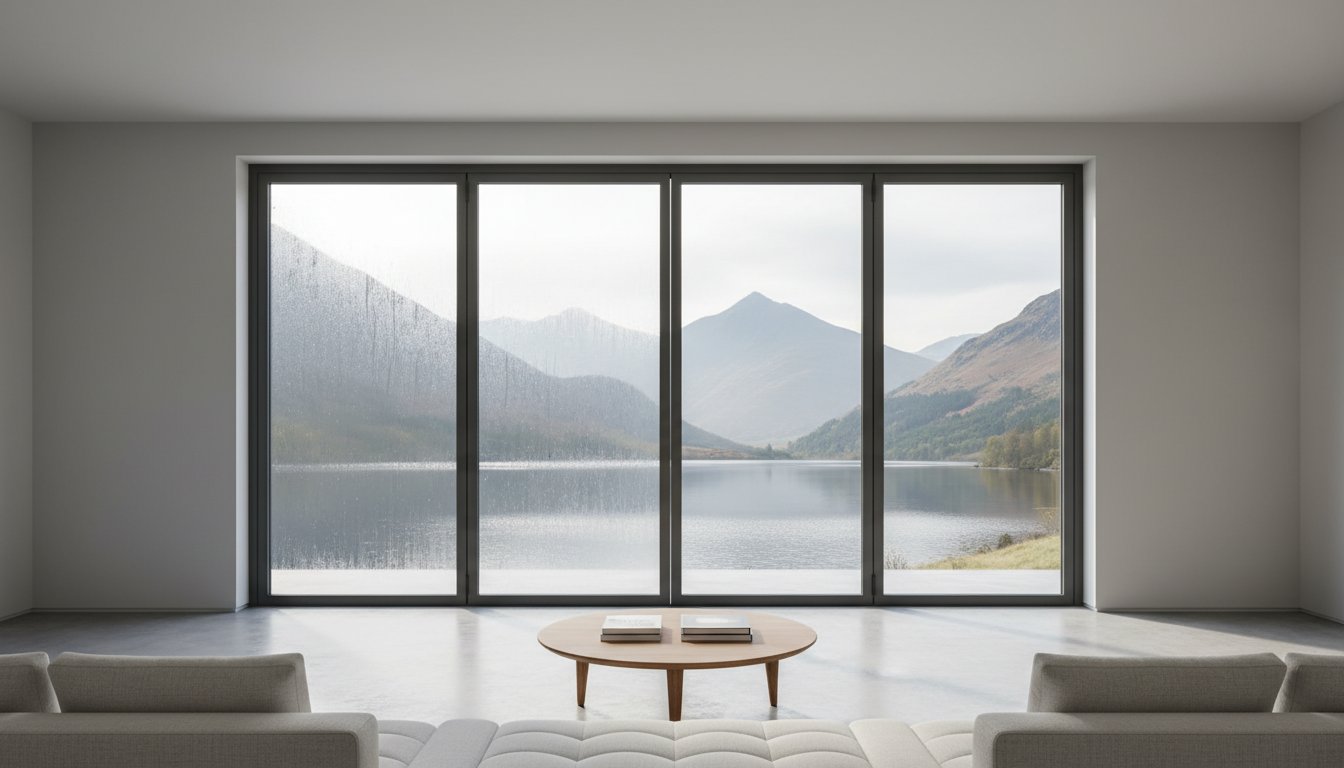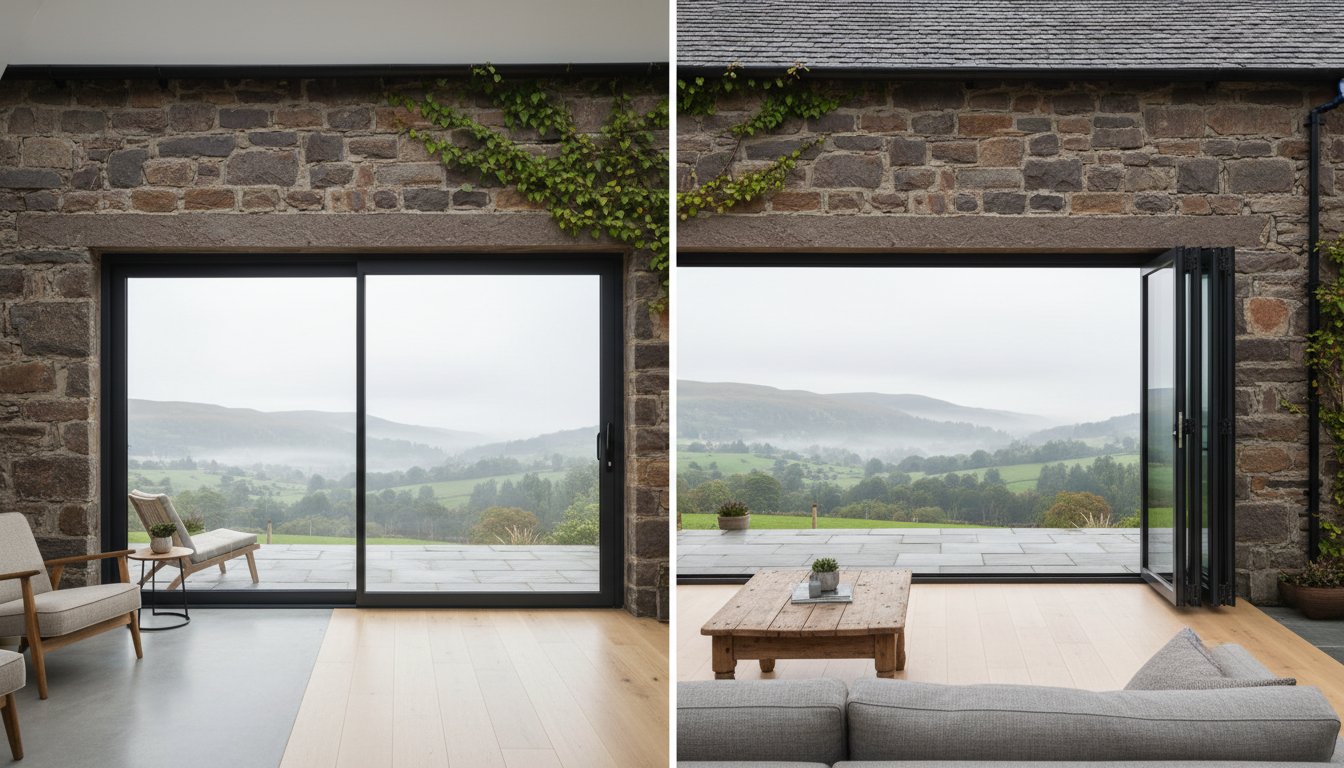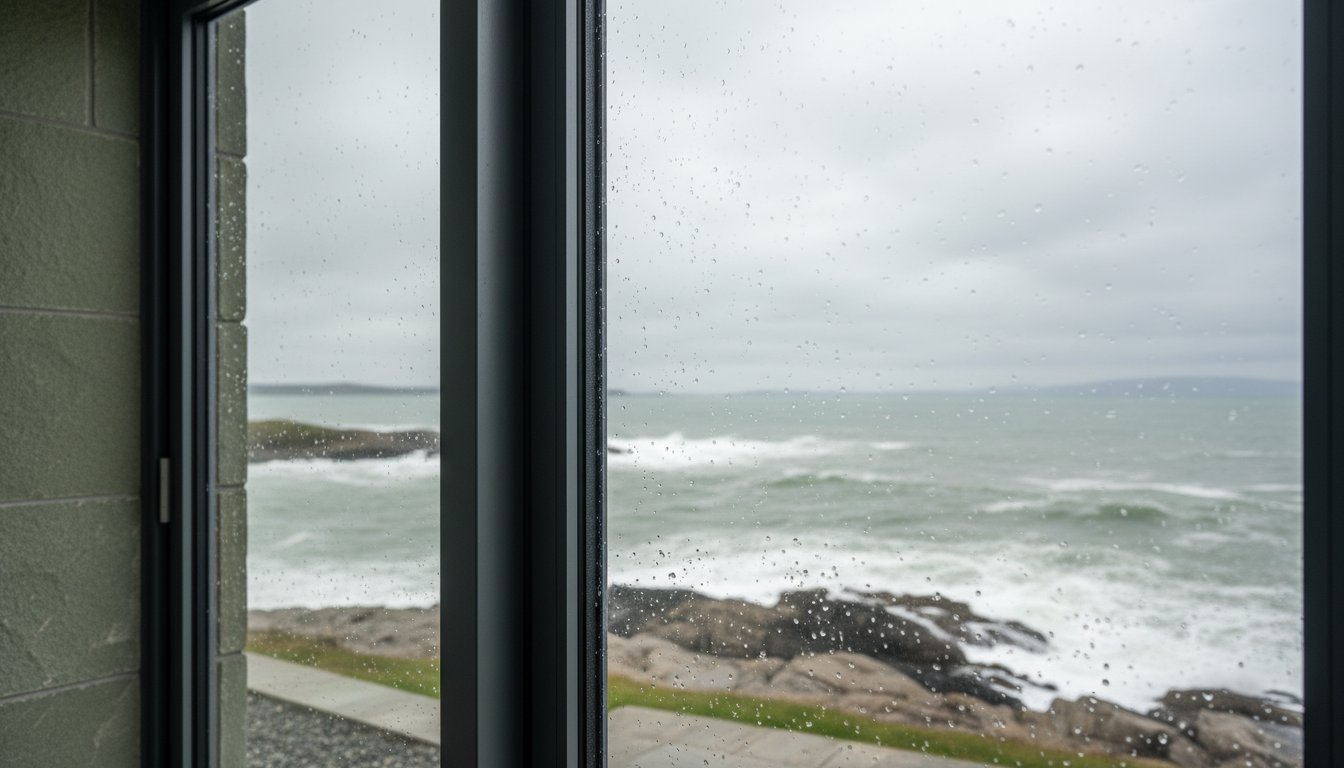
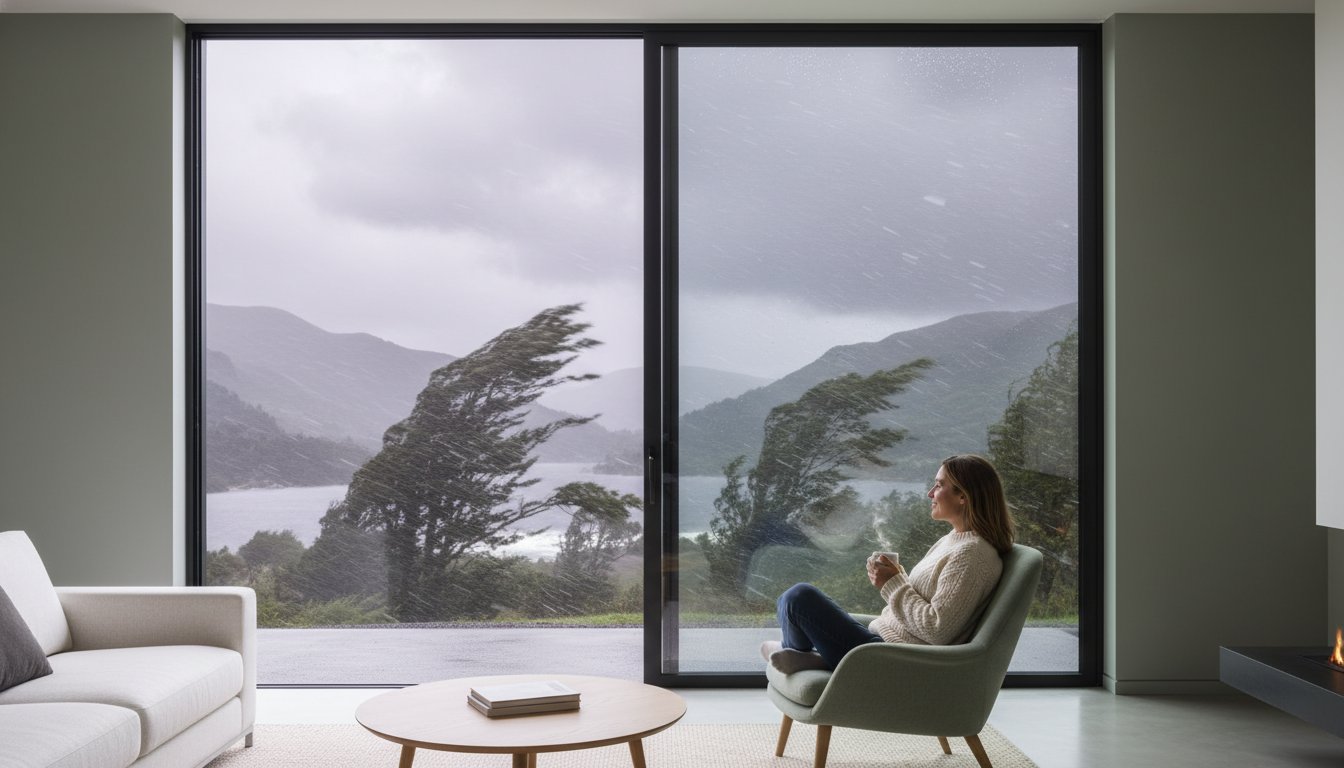
In the Lake District, "standard" high-performance glazing isn't just insufficient; it's a liability when the fells funnel 80mph gusts directly against your gable end. You likely know the frustration of watching your curtains flutter whilst the windows are shut, or hearing that persistent rattle that makes a restful night impossible during a November gale. Finding the Best Glazing for High-Exposure Homes: Surviving Lake District Storms requires moving beyond basic retail specifications to engineered solutions that prioritise structural integrity and thermal comfort.
It's entirely possible to enjoy your fell-side views without compromising on warmth or security. This guide shows you how to specify premium aluminium windows and sliding patio doors that meet the 2026 Part L U-value requirements whilst resisting extreme wind loads. You'll discover the technical benchmarks for water tightness and why a marine-grade finish is a non-negotiable for longevity in our unique microclimate. We'll outline the exact steps to ensure your home remains a quiet, warm sanctuary that stands firm against the most relentless Cumbrian weather.
Key Takeaways
- Learn how to identify true "high-exposure" specifications and why standard drainage channels often fail during intense Lakeland downpours.
- Understand why marine-grade aluminium provides the necessary structural rigidity to eliminate window rattling and resist corrosion in fell-side locations.
- Evaluate the performance of triple glazing against 2026 Building Regulations to ensure your home remains thermally efficient despite extreme wind chill.
- Discover how site-specific wind load calculations and EPDM gaskets determine the Best Glazing for High-Exposure Homes: Surviving Lake District Storms.
- Recognise why professional, survey-led installation is vital for maintaining a weather-tight seal that "supply-only" alternatives cannot guarantee.
Understanding the Lakeland Microclimate: Why Standard Windows Fail
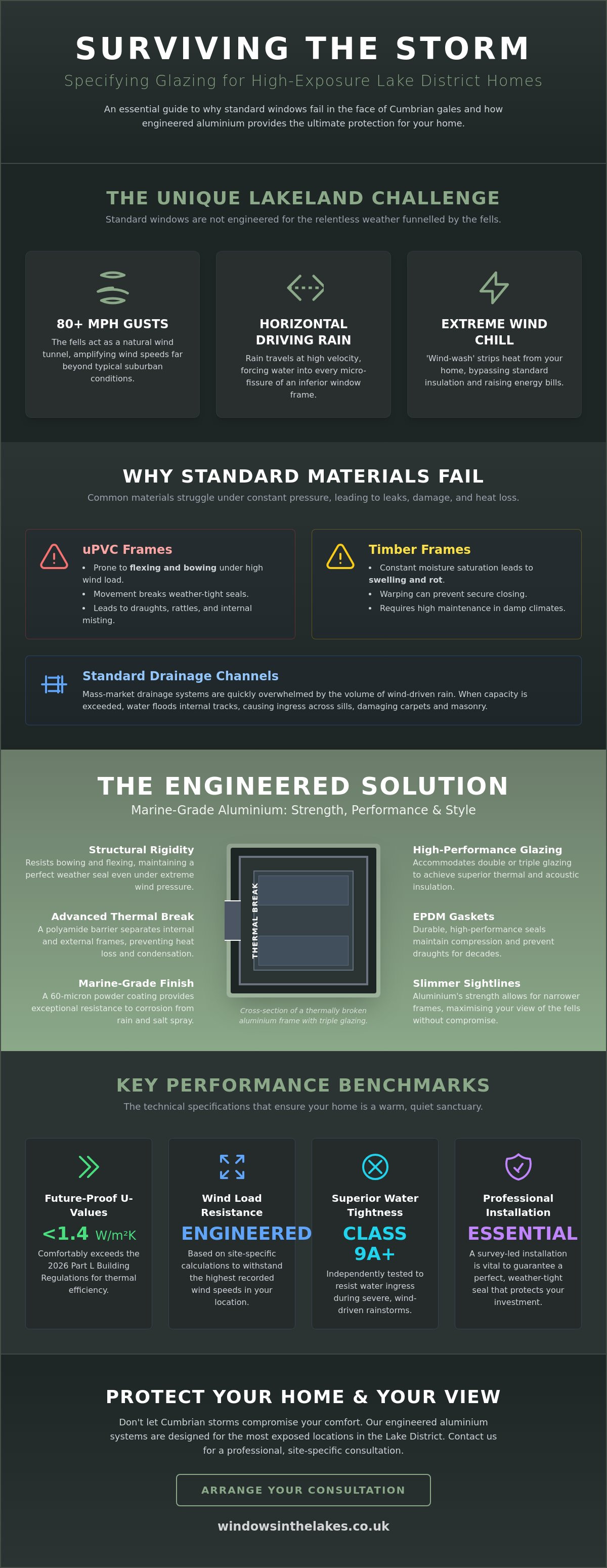
Living in a valley like Borrowdale or along the exposed ridges of the Eden Valley presents a unique architectural challenge. In these locations, "high exposure" isn't a vague industry rating; it's a measurable pressure exerted on your home's envelope every time a storm rolls in from the Irish Sea. Cumbrian geography acts as a natural funnel. When prevailing south-westerlies hit the fells, the air is forced through narrow passes, creating a wind-tunnel effect that significantly amplifies velocity. Standard windows, designed for sheltered suburban sites, simply weren't engineered for this level of sustained atmospheric force.
Driving rain is the second half of the Cumbrian winter equation. During a typical Lakeland storm, rain doesn't fall vertically; it travels horizontally at speeds often exceeding 60mph. This pressure forces water into every micro-fissure. Standard drainage channels, common in mass-market products, are quickly overwhelmed. When the volume of water entering the frame exceeds the drainage capacity, the internal tracks flood. This leads to water ingress across internal sills, dampening your carpets and damaging your masonry. Identifying the Best Glazing for High-Exposure Homes: Surviving Lake District Storms requires a shift towards materials that offer the structural rigidity of aluminium combined with precision-engineered drainage paths.
The Reality of Lakeland Storms
High-velocity winds are a weekly occurrence rather than a seasonal rarity in the Lake District National Park. This constant buffeting creates a "rattle factor" in inferior frames that makes a restful night's sleep impossible. Beyond the noise, there's a hidden thermal cost known as "wind-wash." This occurs when cold air is forced around the window seals or through the frame itself, stripping away the thermal layer. This process causes heating bills to skyrocket despite having modern double glazing, as the wind chill effectively bypasses the window's insulation.
Common Failures in Standard Glazing
Standard materials often struggle under these extreme conditions. uPVC frames, which we don't install, are prone to flexing and bowing when wind pressures reach high levels. This movement breaks the weather-tight seal, leading to the common problem of misting within the Insulated glazing unit. Timber frames face a different battle; constant moisture saturation leads to swelling and eventual rot, particularly in the lower rebates where water sits. Without the structural integrity of high-grade aluminium, frames can eventually warp enough to prevent Aluminium Windows or Sliding Patio Doors from closing securely, leaving your home vulnerable to the next Atlantic front.
The Engineering of Resilience: Marine-Grade Aluminium and Toughened Glass
While Section 1 detailed why standard materials succumb to Cumbrian storms, the solution lies in the structural superiority of aluminium. Unlike other materials that may flex or bow, aluminium provides the inherent rigidity required to maintain a weather-tight seal under immense pressure. This metal doesn't just offer strength; it allows for slimmer frames that maximise your view of the fells without sacrificing safety. When specifying the Best Glazing for High-Exposure Homes: Surviving Lake District Storms, the frame's ability to resist deformation is the primary line of defence. This rigidity ensures that locking points remain aligned and gaskets stay compressed, even when the wind is howling down the valley.
Thermal performance is equally vital. Modern aluminium frames utilise advanced thermal break technology, typically involving a polyamide strip that separates the inner and outer sections of the profile. This prevents the "Lakeland chill" from conducting through the metal and into your living room. When combined with high-specification glass, these systems comfortably exceed the 2026 Part L U-value requirements of 1.4 W/m²K. If you're currently planning a project, exploring our range of aluminium windows will help you understand how these engineered layers work together to protect your home.
Marine-Grade Aluminium: Beyond the Standard
In the Lake District, the air is often heavy with moisture and, in coastal areas like Grange-over-Sands or St Bees, salt spray. We specify a 60-micron marine-grade powder coating as a benchmark for these environments. This thicker finish is significantly more resilient than the standard 40-micron coatings used in inland urban areas. It protects the aluminium from the corrosive effects of damp, acidic fell air, ensuring your frames don't pit or peel over time. This specification also allows for a vast palette of RAL colours, enabling you to match your Entrance Doors or Bifolding Doors to the local Westmorland slate or traditional stone of your property.
High-Performance Glass Specifications
The glass itself must be as resilient as the frame. We utilise thermally toughened safety glass, manufactured to BS EN 12150 standards, which is essential for ensuring the frames meet the necessary wind-loading calculation for cladding requirements. For those in particularly exposed spots, acoustic laminated glass is a wise investment. It doesn't just add a layer of security; it effectively silences the roar of the wind, turning a storm outside into a silent visual display. Argon gas fills are standard for thermal efficiency, whilst Krypton gas is often specified for thinner units where maximum heat retention is required in a slimmer profile.
Double vs Triple Glazing: Performance Metrics for Exposed Cumbrian Fells
Choosing between double and triple glazing is a pivotal decision when specifying the Best Glazing for High-Exposure Homes: Surviving Lake District Storms. It isn't just about the number of panes; it's about the thermal barrier between your home and the Cumbrian winter. Under the May 2026 Part L Building Regulations, replacement windows must achieve a U-value of at least 1.4 W/m²K. High-performance triple glazing can push this performance as low as 0.64 W/m²K. For a homeowner in the North West, this 40-50% improvement in heat retention directly translates to lower heating bills when the wind chill on the fells is biting.
Whilst a third pane doesn't significantly increase the structural wind resistance of the frame itself, it does add significant mass. This mass is crucial for acoustic dampening and reducing the "cold zone" effect. In a high-exposure site, the internal surface of a double-glazed pane can still feel cold to the touch during a freeze. Triple glazing maintains a higher internal glass temperature, which eliminates the uncomfortable downdraughts often felt near large windows. However, weight is a serious consideration. Triple-glazed units are roughly 50% heavier than double-glazed ones. This is a critical factor for large installations like Sliding Patio Doors, where the property's structure and the door's rollers must be engineered to support the additional load.
From a cost-value perspective, triple glazing typically requires a 10-20% higher initial investment. In the sheltered suburbs, the ROI might be slow. On an exposed Lakeland fell where the heating remains on for eight months of the year, the energy savings and increased comfort levels often justify the upgrade. It's about protecting the long-term value of your property whilst ensuring it remains a sanctuary during the worst Atlantic storms.
When is Triple Glazing Essential?
In "extreme exposure" areas such as Alston or properties near the Kirkstone Pass, triple glazing moves from a luxury to a necessity. These sites face higher-than-average wind loads and lower mean temperatures. Triple glazing is particularly vital for large-scale architectural glass projects. It ensures that even with floor-to-ceiling Aluminium Windows, your living space remains habitable and warm without the heating system working overtime to combat radiant heat loss.
Double Glazing: The Modern Standard
Modern aluminium double glazing remains a formidable choice for many Cumbrian homes. It offers slightly better light transmission than triple glazing and, thanks to advanced Low-E coatings and argon gas fills, it vastly outperforms older triple-glazed units from a decade ago. For many projects, it represents the ideal balance of performance and clarity. You can explore our guide on Energy Efficient Window Installation to see how we optimise these double-glazed setups for the regional climate.
Specifying for Storms: Wind Loads, Gaskets, and Weather-Tight Seals
Specifying the Best Glazing for High-Exposure Homes: Surviving Lake District Storms involves more than just selecting a frame material; it requires a meticulous calculation of wind load. Wind load is the pressure exerted on a vertical surface by moving air, and in the Lakes, this pressure acts as both a direct force and a powerful suction. We don't rely on guesswork for these figures. Instead, we use site-specific data based on your property's altitude and orientation. A home in the centre of Penrith might face a wind pressure of 1200 Pascals (Pa), whereas a property on a higher fell could easily exceed 2000 Pa. This difference dictates every technical choice, from the thickness of the glass to the internal reinforcement of the frames.
Weather-tightness is also a matter of precision drainage. When driving rain hits a window at 60mph, the volume of water is immense. We specify frames with engineered drainage paths that utilise gravity and pressure differentials to move water away from the structure. This prevents the internal tracks of your Bifolding Doors or French Doors from flooding. If you are concerned about how your specific site orientation might affect your choice of Aluminium Windows, you can request a technical quote to see our site-specific recommendations.
The Science of Wind Pressure
Wind pressure behaves differently as altitude increases. On the higher fells, the air is less obstructed, leading to higher sustained velocities. This necessitates an increase in glass thickness as the size of the aperture grows. For large-scale Sliding Patio Doors, we often specify reinforced mullions. These internal structural "bones" prevent the frame from bowing under peak gusts, ensuring the glass remains securely seated within its gaskets. Without this reinforcement, even the strongest glass can become a liability during a severe Cumbrian gale.
Gaskets and Seals: The Unsung Heroes
Cheap rubber seals often fail after just three Lakeland winters because they lose their elasticity in the cold, acidic air. We utilise EPDM (Ethylene Propylene Diene Monomer) gaskets, which are the gold standard for long-term weather-tightness. These gaskets remain flexible and maintain a tight seal against the glass even after years of exposure. When combined with multi-point locking systems, these seals are compressed evenly across the entire frame. This compression is what achieves a high BS 6375 rating, the British Standard for weather tightness. Look for a water tightness rating of at least 600 Pa for any high-exposure Cumbrian site to ensure your home remains dry and draught-free.
Professional Installation in Cumbria: Protecting Your Investment
Investing in the Best Glazing for High-Exposure Homes: Surviving Lake District Storms is only half the battle. Even a window rated for the extreme 2000 Pascal pressures mentioned earlier will fail if the perimeter seals aren't executed with absolute precision. In high-exposure environments, a "supply-only" approach is a significant risk. General builders often lack the specialised tools and training required to install high-performance aluminium systems in a way that preserves their weather-tight integrity. A millimetre gap in the silicone or a slightly misaligned frame can lead to whistling draughts and water ingress during the first major storm.
Our approach is built on survey-led precision. We don't just measure the aperture; we assess the substrate and the specific exposure of the elevation. This ensures that the Aluminium Windows or Sliding Patio Doors we install are perfectly suited to the structural demands of your property. We also understand the delicate balance of upgrading performance whilst respecting local architectural heritage. Our Heritage Windows are designed to mimic traditional sightlines, ensuring your home remains sympathetic to the Lakeland landscape whilst benefiting from 2026 thermal standards.
The Importance of Local Expertise
Local knowledge is vital when navigating building regulations in the Lake District National Park. Our 35 years of experience informs every installation in Keswick, Kendal, and the surrounding fells. We understand how the wind behaves in specific valleys and which elevations require enhanced fixings. This regional expertise ensures your installation doesn't just look beautiful but performs flawlessly for decades. You can see examples of our work in challenging environments by viewing our Featured Projects.
Your Storm-Proof Transformation
The process begins with a detailed technical survey to confirm the wind load requirements we discussed in Section 4. From there, our professional fitting teams take over. We're experts at managing the logistics of remote Lakeland locations, ensuring we minimise disruption to your daily life whilst maintaining a clean and safe site. Every Entrance Door and window is fitted with meticulous attention to the primary and secondary seals. This creates a multi-layered barrier against the elements. If you're ready to secure your home against the next Cumbrian winter, Request a Quote for your high-exposure project today.
Securing Your Home Against the Cumbrian Elements
Specifying the Best Glazing for High-Exposure Homes: Surviving Lake District Storms is about more than aesthetics; it's a commitment to long-term structural resilience. We've seen how marine-grade aluminium and engineered EPDM gaskets provide the necessary barrier against 80mph gusts and horizontal rain. By combining site-specific wind load data with 2026 thermal standards, you can ensure your property remains a warm, quiet sanctuary even on the most exposed fells.
With over 35 years of local industry experience, we're specialists in marine-grade aluminium glazing designed for the North West. Our expert installation teams work across the Lake District and Cumbria to ensure every seal and locking point is perfectly aligned. This meticulous approach protects your investment and your peace of mind whilst preserving the architectural beauty of our region.
Ready to take the next step? You can Book a Design Consultation for your Lake District project to explore our high-performance range. Let's ensure your home is ready to stand firm against the next Atlantic front.
Frequently Asked Questions
What is the best window material for a home on an exposed fellside?
Aluminium is the superior material for fellside homes because of its inherent structural rigidity and resistance to bowing. Unlike other frames that may flex under extreme pressure, aluminium maintains its shape, ensuring that seals remain tight during peak gusts. This makes it a core component of the Best Glazing for High-Exposure Homes: Surviving Lake District Storms by preventing the rattles and draughts common in less robust materials.
Can aluminium windows really look traditional in a Lake District cottage?
Modern aluminium Heritage Windows are specifically designed to replicate the slim sightlines of traditional steel or timber frames. You can specify RAL colours that perfectly complement Westmorland slate or sandstone masonry. This allows homeowners to upgrade their property's performance significantly without sacrificing the classic aesthetic expected in a Lake District National Park cottage or sensitive conservation area.
Do I need triple glazing if my home is very windy?
Triple glazing is recommended for windy sites primarily to eliminate "cold zones" and reduce noise rather than to add structural strength. Whilst the extra pane doesn't change the frame's wind resistance, it improves internal comfort by maintaining a higher internal glass temperature. This prevents the uncomfortable downdraughts often felt when 60mph winds strip heat from the external pane of a standard unit.
How do you prevent water ingress through windows during heavy Lake District rain?
Preventing water ingress requires a combination of high-performance EPDM gaskets and engineered drainage channels. These systems are designed to manage the high volume of driving rain typical of Cumbrian storms by directing water away from the internal tracks. Precision installation is vital here to ensure that every seal is compressed correctly to meet BS 6375 water tightness standards of 600 Pa or higher.
What wind load rating should I look for in new windows?
You should look for a wind load rating of at least 1600 Pa, though 2000 Pa or higher is often necessary for the most exposed fells. This rating, part of the BS 6375-1:2009 standard, indicates the pressure the window can withstand before failing. Selecting the Best Glazing for High-Exposure Homes: Surviving Lake District Storms requires matching this technical rating to your property's specific altitude and orientation.
Are aluminium windows and doors better than timber for coastal Cumbria?
Aluminium with a marine-grade finish is significantly better than timber for coastal Cumbria because it does not rot, warp, or swell. Timber requires constant maintenance in salty, damp air to prevent moisture saturation and eventual decay. Aluminium remains structurally stable and corrosion-resistant, making it the more dependable choice for properties in locations like St Bees, Arnside, or the Furness Peninsula.
How long does a marine-grade powder coating last on aluminium frames?
A marine-grade powder coating typically provides enhanced protection for several decades, provided it is maintained with regular cleaning. We specify a 60-micron coating for high-exposure sites, which is significantly thicker than standard industrial finishes. This ensures the frames resist pitting and fading even when subjected to the persistent damp and acidic air of the Lakeland fells for many years.
Will high-performance glazing reduce the noise of the wind inside my house?
High-performance glazing can dramatically reduce wind noise, particularly when specified with acoustic laminated glass. This specialised glass features a polyvinyl butyral (PVB) interlayer that absorbs sound vibrations. It effectively silences the "howl" of the wind and the clatter of driving rain, turning a severe storm into a silent visual event from the comfort of your living room.