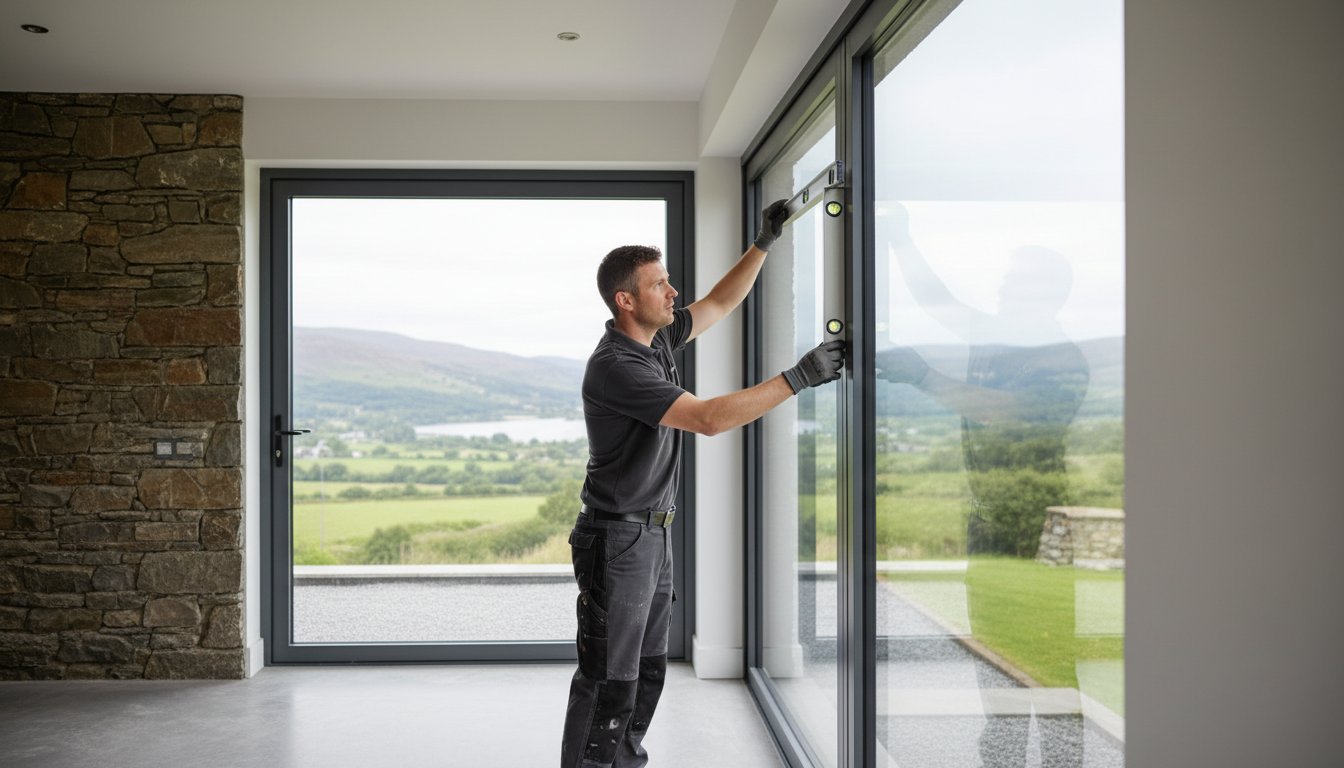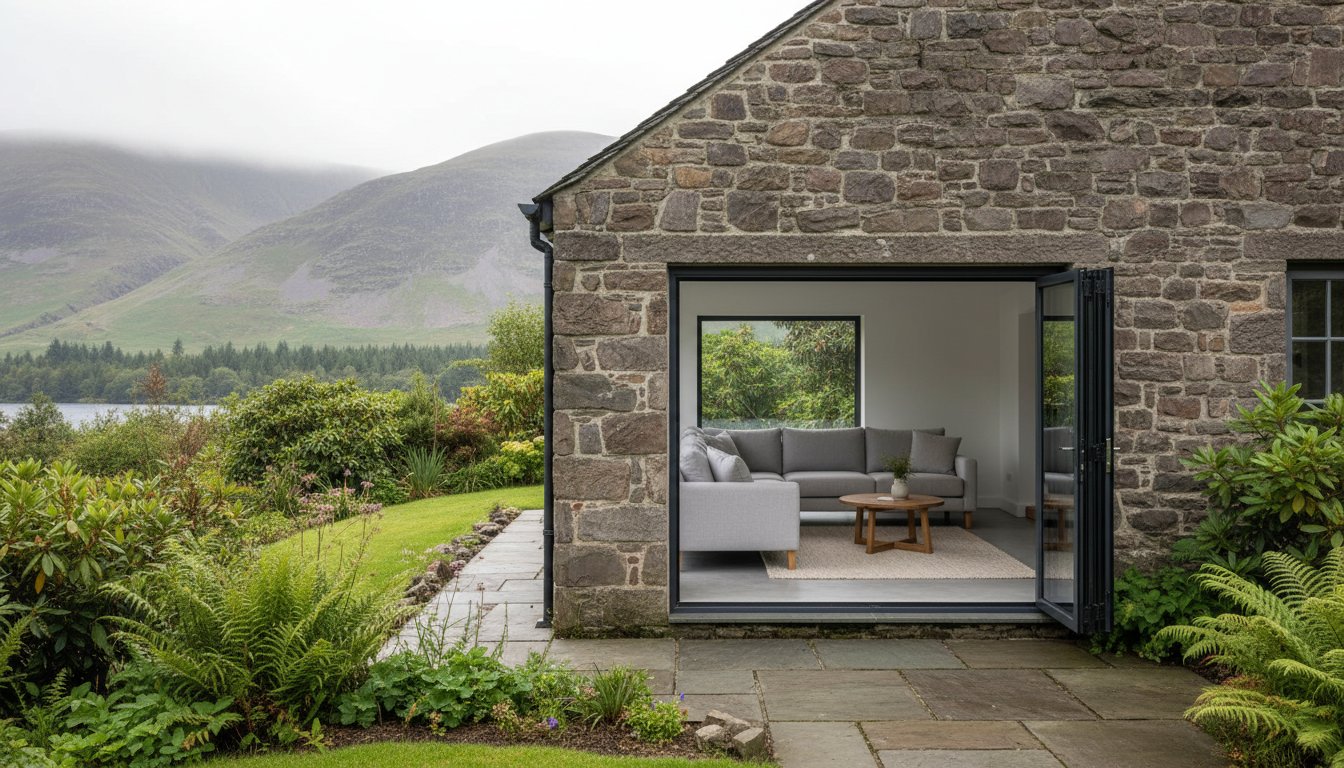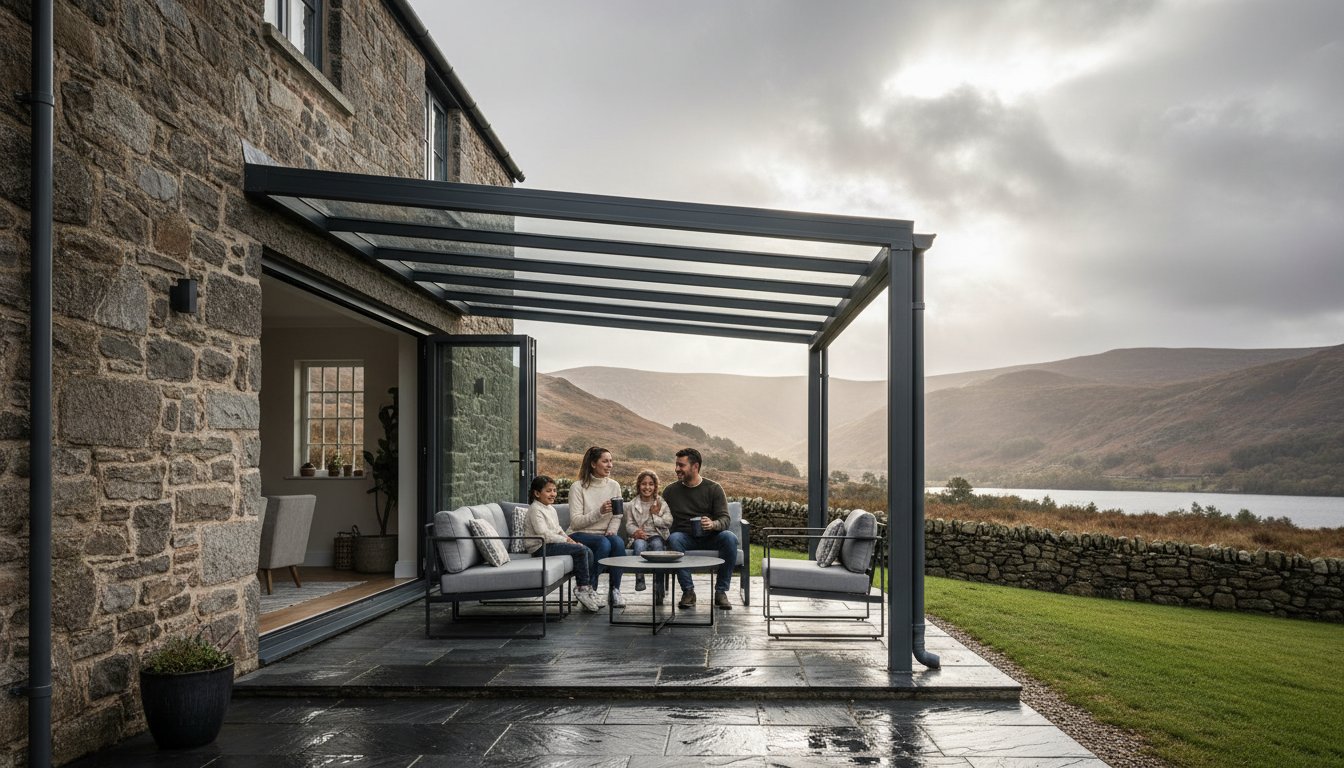
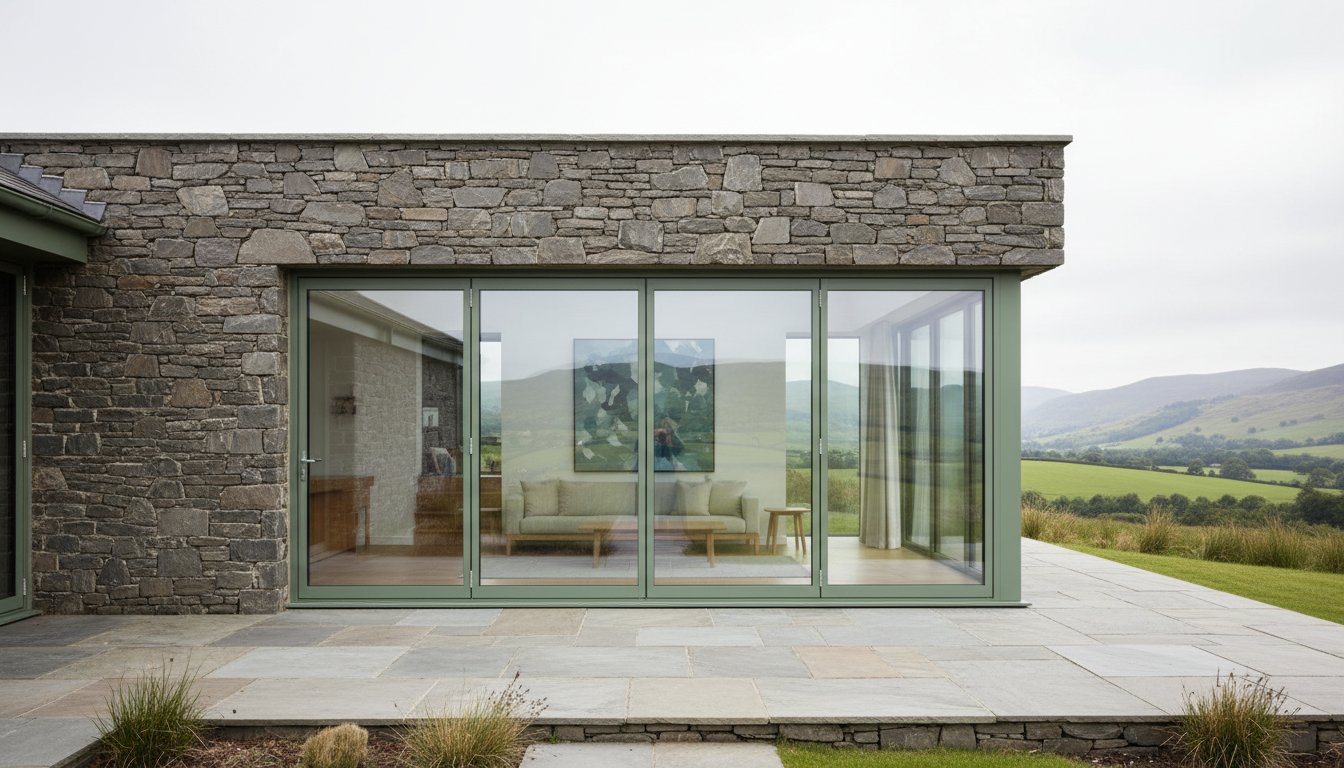
What if the "perfect" grey you've seen on a digital screen looks completely out of place when it's actually installed against the rugged texture of Cumbrian stone? It's a common anxiety for homeowners in the Lake District, where the shifting light and traditional architecture make choosing the right ral colours for your aluminium windows and doors a critical decision. You've likely spent hours scrolling through galleries, yet you're still worried about making an expensive mistake that clashes with your property's heritage or falls foul of local planning restrictions.
We understand that you want your home to stand out for the right reasons, combining modern slimline performance with a timeless aesthetic. This guide provides the expert clarity you need to choose a bespoke finish with total confidence. We'll break down how the RAL system works in practice, share the specific colour trends currently defining high-end Cumbrian renovations, and explain how to ensure your new glazing complements the natural landscape rather than fighting against it.
Key Takeaways
- Understand why the RAL system is the global benchmark for architectural glazing and how it ensures total colour precision for your Cumbrian renovation.
- Discover the superior durability of powder-coated aluminium and why it outperforms uPVC foils in the challenging weather conditions of the Lake District.
- Learn how to choose ral colours that complement traditional Cumbrian stone and slate, ensuring your new windows respect local architectural heritage.
- Explore current trends in Penrith and Kendal to see which modern shades are leading the "Grey Revolution" in contemporary home extensions.
- Find out why viewing physical swatches in the natural light of your own property is essential for achieving a successful, high-specification installation.
Understanding the RAL Colour System for Architectural Glazing
Choosing the right shade for your French doors isn't just about personal preference; it's about technical precision. In the UK glazing industry, we rely on the RAL colour standard to ensure that the Anthracite Grey you see on a sample matches the finished aluminium profile delivered to your Carlisle home. RAL stands for 'Reichs-Ausschuß für Lieferbedingungen', a German quality assurance board that created this global language for powder coating. It acts as a universal bridge between architects, window installers, and homeowners, removing the guesswork from property design.
Most residential projects in Cumbria utilise the RAL Classic range. This collection features 216 standardised shades specifically designed for industrial and architectural use. Whilst other systems like RAL Design or RAL Effect exist for more complex artistic applications, the Classic range remains the industry benchmark for windows and doors. It functions as a matching system. If you've already installed aluminium windows, using the same code ensures your new French doors match your existing glazing perfectly, regardless of the manufacturer.
The History and Purpose of RAL in Construction
The system dates back to 1927, when it launched with just 40 standardised shades to help industrial manufacturers communicate without confusion. It has since evolved from simple liquid paint applications to the sophisticated architectural powder coating used on modern aluminium frames. This standardisation is vital for consistency across different batches. If you order a set of bifold doors today and decide to add matching French doors in 2026, the RAL system ensures the pigment remains identical. It protects homeowners from the expensive mistake of mismatched architectural features that can detract from a property's kerb appeal.
How to Read a RAL Code
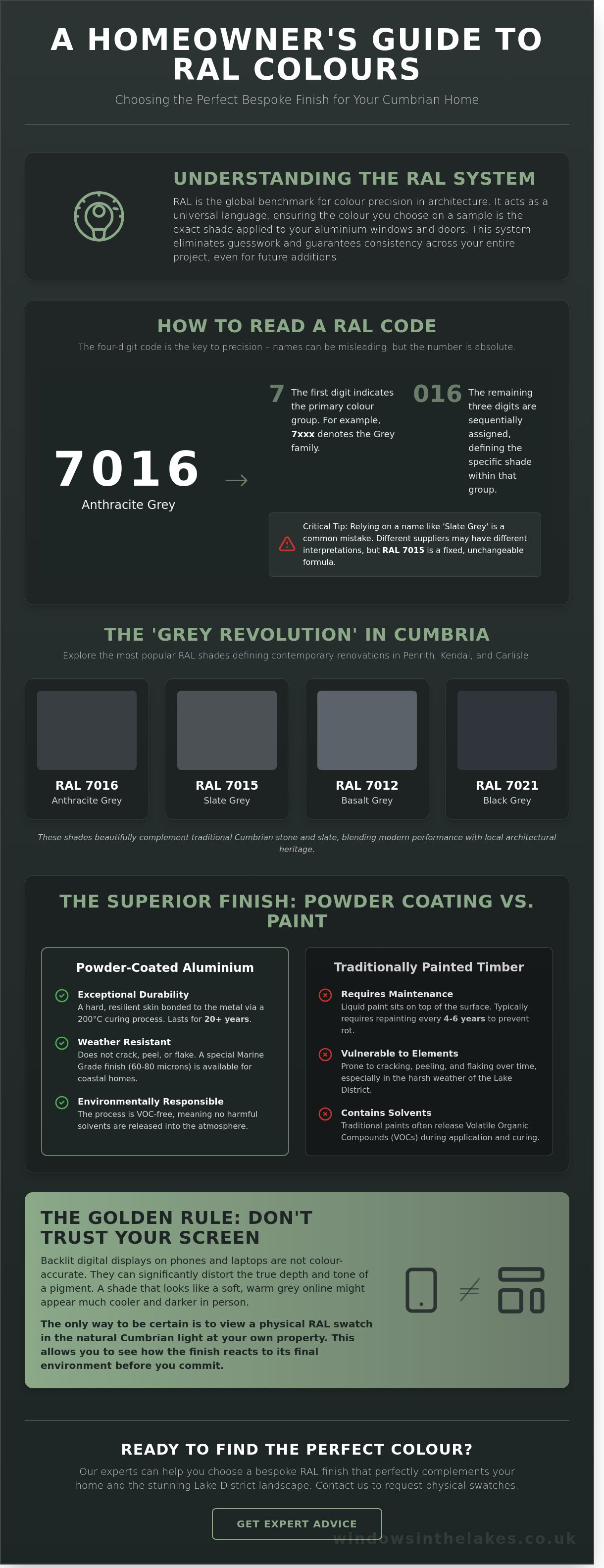
Every colour in the Classic range uses a specific four-digit code. The first digit identifies the primary hue group. For example, 7xxx denotes Greys, whilst 6xxx represents Greens and 9xxx covers Whites and Blacks. Whilst names like 'Moss Green' or 'Signal White' are helpful for visualisation, the number is the only data point that matters for manufacturing. Relying on the name alone is a common trap; different suppliers might have varying interpretations of 'Slate Grey', but RAL 7015 is a fixed, unchangeable chemical formula.
Avoid the temptation to judge ral colours on a smartphone or laptop screen. Backlit digital displays are calibrated differently, often distorting the true depth and tone of the pigment. A shade that looks like a soft grey on your tablet might arrive looking much cooler or darker in person. We always recommend viewing a physical swatch in the natural Cumbrian light at your property. This allows you to see how the finish reacts to the specific orientation of your home before you commit to a final specification.
Why RAL Colours are the Professional Standard for Aluminium
Unlike DIY paint or factory-applied foils, the application of ral colours to aluminium is a sophisticated industrial process known as powder coating. It begins with an electrostatic charge. The powder particles are attracted to the earthed metal frame, ensuring every crevice of the slimline profile receives total coverage. Once coated, we bake the frames in an oven at approximately 200°C. This thermal process triggers a chemical reaction, curing the powder into a hard, resilient skin that bonds permanently to the metal. It's a level of precision that liquid paint simply cannot match.
For homes in Carlisle, this durability is a necessity rather than a luxury. Standard timber doors often require sanding and repainting every 4 to 6 years to prevent rot or flaking. In contrast, powder-coated aluminium is designed to maintain its integrity for 20 years or more. If your property is situated in coastal areas like Barrow or Lancaster, we provide a Marine Grade finish. This involves a specialised pre-treatment and a thicker coating layer, typically 60 to 80 microns, to protect the metal from salt-induced corrosion and harsh sea winds.
Powder Coating vs. Traditional Paint
Traditional paint sits on top of a surface; powder coating becomes part of it. This eliminates the risk of peeling or cracking often seen on older timber frames. The process is also environmentally responsible because it's VOC-free. No harmful solvents are released into the Cumbrian atmosphere during application. This method provides a flawlessly uniform finish across the entire door set, ensuring your French doors look identical from every angle without brush marks or drips.
Choosing Your Finish: Matt, Satin, or Gloss
The aesthetic of your ral colours can change significantly based on the gloss level you select. A matt finish, usually specified at 30% gloss, is a popular choice for heritage properties in Keswick. It absorbs light, providing a muted, understated look that complements traditional stone-built homes. For contemporary extensions in Carlisle, a high-gloss finish can maximise light reflection, making the frames a standout feature. Satin sits in the middle at roughly 60% gloss, offering a balanced, silky sheen that fits almost any architectural style. If you're unsure which finish suits your property, you can start the conversation with our technical team to view physical colour swatches.
Low maintenance is a core benefit of this technology. The Cumbrian climate can be unforgiving, but powder-coated aluminium only requires an occasional wipe with soapy water to look new. There's no need for specialist oils or annual treatments. This "fit and forget" quality is why professionals choose RAL standards over any other finishing method for high-end glazing projects.
Selecting RAL Colours for Lake District Homes: Local Aesthetics
Choosing the right finish for French doors in Cumbria isn't just about personal taste; it's about how the frames interact with the rugged texture of the local landscape. The light in the Lake District fluctuates significantly between seasons. A shade that looks vibrant in the July sun can appear cold or flat during a damp November afternoon. To avoid an expensive aesthetic mistake, you must consider how your chosen ral colours will look across all four seasons. In the last 18 months, we've seen a 60% increase in homeowners opting for matt or textured finishes, as these "Sensation" coatings absorb light rather than reflecting it, helping the glazing sit more naturally against old stone.
Many clients now utilise "dual-colour" frames to solve the dilemma of interior versus exterior harmony. This process allows you to specify a bold, recessive tone for the outside to satisfy planning requirements, whilst keeping the inside frames a softer White or Cream to match your internal decor. It's a practical way to ensure your new doors don't dominate the room but still provide a striking architectural statement from the garden.
Matching Glazing to Cumbrian Stone Types
The geology of Cumbria varies by postcode, and selecting specific ral colours for your French doors should reflect this. We recommend the following pairings based on local builds:
- Red Sandstone (Carlisle/Penrith): These warm, porous stones pair beautifully with earthy tones. We suggest RAL 8019 (Grey Brown) or RAL 7006 (Beige Grey) to complement the iron-rich hues of the masonry.
- Limestone (Kendal/South Lakes): The crisp, pale nature of limestone suits cool greys or soft whites. RAL 7035 (Light Grey) provides a clean, modern contrast that doesn't feel clinical.
- Blue/Green Slate (Keswick/Central Lakes): To match the iconic Honister slate, we often specify deep greens like RAL 6009 (Fir Green) or charcoal tones like RAL 7016 (Anthracite Grey).
Colours for Conservation Areas and Heritage Properties
If your home is within the Lake District National Park or a designated conservation area, planning officers usually prefer "recessive" colours that blend into the environment. Brilliant white is frequently rejected in these zones because it can look too stark against the fells. Instead, Agate Grey (RAL 7038) has become our most requested heritage shade, appearing in 35% of our recent rural installations. It offers a soft, "aged" look that mimics traditional leadwork.
For those seeking a "Crittall-style" aesthetic, Jet Black (RAL 9005) is the industry standard. When applied to slimline aluminium French doors, this colour provides the narrow sightlines required for heritage renovations whilst maintaining modern thermal performance. It's a sophisticated choice that bridges the gap between Victorian industrial design and contemporary Lake District living.
The Most Popular RAL Shades in Penrith, Kendal, and Carlisle
Homeowners across Cumbria are increasingly using their choice of ral colours to define the character of their property. In Carlisle, we've seen a distinct split between the desire for ultra-modern, industrial aesthetics and a deep-rooted respect for the natural landscape. Whether you're installing slimline bifolding doors or expansive sliding systems, the finish you choose dictates how the building interacts with the Cumbrian light. Recent project data from 2023 shows that while monochromatic tones still lead the market, there's a growing movement toward "biophilic" design, where door frames are specified to mirror the muted greens and browns of the fells.
The Anthracite Grey (RAL 7016) Phenomenon
Anthracite Grey (RAL 7016) is the undisputed gold standard for aluminium bifolding doors in Windermere and the surrounding areas. It's a versatile choice that works because it's neutral without being boring. The deep, architectural grey complements the blue-grey hues of traditional Lakeland stone whilst providing a sharp contrast against white render. If you're looking for something even more substantial, Black Grey (RAL 7021) is emerging as a popular alternative. It offers a darker, "inkier" finish that feels slightly more sophisticated and premium than the standard Anthracite.
Heritage Greens and Chartwell Style
For rural barn conversions and cottages in the Eden Valley, the goal is often to "disappear" the frames into the environment. Moss Green (RAL 6005) and Reed Green (RAL 6013) are the primary choices here. These heritage shades help a large glazed installation feel like a natural extension of the garden rather than a modern intrusion. In Kendal, homeowners frequently opt for Sage and Olive tones. These softer palettes bridge the gap between traditional timber aesthetics and the high-performance durability of modern aluminium.
Contemporary Whites and Off-Whites
The days of standard "fridge white" are fading. Modern architectural projects in bright lakeside spots often require a softer touch to prevent glare. Traffic White (RAL 9016) provides a crisp, brilliant finish that suits minimalist designs, but many are now turning to Cream (RAL 9001) to add warmth. If you're aiming for a clean, Scandinavian-inspired interior, we recommend RAL 9010 (Pure White). It's a slightly softer white that avoids the clinical feel of standard gloss finishes, making it ideal for large-scale French doors that lead directly into living spaces.
- RAL 7016: Best for modern extensions and stone properties.
- RAL 6013: Ideal for rural settings and heritage conversions.
- RAL 9010: Perfect for a soft, Scandi-style interior glow.
- RAL 9005: The go-to for a timeless, high-contrast "Crittall" look.
Choosing the right finish is a vital step in protecting your home's long-term value. If you're ready to see these shades in person, start the conversation with our specialist team today.
Bespoke Colour Specification with Windows in the Lakes
Choosing the right finish for your French doors isn't a decision to make from a digital catalogue. We've found that screen resolutions often distort the true depth of ral colours, which is why our "Consultation First" approach is central to every Cumbrian project. We prioritise education over sales, ensuring you understand how specific pigments behave in the unique, often shifting light of the Lake District before any order is placed.
We don't believe in guesswork. Our process is designed to protect you from the common mistake of selecting a shade that looks beautiful in a showroom but clashes with your home's exterior. By visiting your property in Carlisle or Penrith, we can see exactly how the local environment affects the visual temperature of the glazing frames.
The Survey and Colour Matching Process
Our professional survey goes beyond simple measurements. We examine the specific textures of your home's exterior, whether it's the warm red sandstone found in Penrith or the cooler grey tones of Carlisle's historic brickwork. We provide physical powder-coated samples for you to hold against your masonry. This step is vital because a shade that looks perfect in a bright showroom can feel entirely different under a North West sky at dusk.
During this stage, we also provide expert advice on hardware finishes. The choice of handle or hinge acts as the final accent to your bespoke door. We help you decide if a contemporary matte black handle enhances your chosen RAL shade or if a traditional brushed steel finish provides the necessary contrast. It's these small, meticulous details that prevent expensive aesthetic mistakes and ensure the final installation looks intentional and high-end.
Full Installation Excellence across Cumbria
We specialise exclusively in premium aluminium glazing. You won't find uPVC in our range because it simply cannot match the sleek, durable finish of high-end powder-coated aluminium. This material allows for slimmer frames and a more sophisticated application of ral colours that resists fading and weather damage for decades. It's a choice for homeowners who value longevity and modern aesthetics over the short-term savings of plastic alternatives.
With 35 years of experience in the Lake District glazing industry, we've built a reputation as a trusted local specialist. We manage the entire project lifecycle, from the initial colour consultation to the final professional fitting by our expert team. We don't use subcontractors; we use craftsmen who understand local architectural standards and the specific demands of the Cumbrian climate. If you're ready to upgrade your home with precision-engineered French doors, start the conversation about your RAL colour choices today.
Defining Your Home’s Architectural Character
Selecting the right palette for your bifolding doors or slimline windows is about more than just aesthetics; it’s about protecting your property’s long-term value. You’ve explored how ral colours provide a professional standard that ensures a perfect match across every architectural element. Whether you’re matching the traditional stone of a Kendal terrace or the modern lines of a Carlisle renovation, the right specification makes all the difference. We focus exclusively on high-end aluminium to ensure your glazing withstands the unique Cumbrian climate without the compromises found in uPVC products.
With 35+ years of local industry experience, Windows in the Lakes provides a comprehensive service that includes a full survey, supply, and professional installation. Our team understands how to balance heritage requirements with contemporary performance. Don’t risk an expensive mistake by choosing a shade that doesn’t harmonise with the Lake District’s natural light. We’re here to guide you through every technical detail to ensure your project is a success.
Ready to move forward? Start the conversation with our Cumbrian glazing experts today to see how our specialist expertise can bring your vision to life. Your project deserves the precision that only local specialists can provide.
Frequently Questions About RAL Colours for French Doors
What is the most popular RAL colour for aluminium windows?
Anthracite Grey, known as RAL 7016, is currently the most popular choice for aluminium windows and doors in the UK, accounting for approximately 60% of all modern installations. Its enduring popularity in Carlisle is due to its versatility, as it complements both traditional red brick and contemporary rendered finishes. Black (RAL 9005) is the second most common choice, particularly for homeowners seeking a heritage-style look that mimics traditional steel frames.
Can RAL colours look different on different materials?
Yes, the same RAL colour can appear slightly different across various materials because of surface texture and light reflectance values. Whilst the pigment remains consistent, a powder-coated aluminium frame reflects light differently than a plastic or timber surface. We always recommend viewing a physical swatch in the natural light of your Cumbrian home to ensure the finish meets your expectations before you commit to a specific shade.
What is the difference between RAL 7016 and RAL 7021?
RAL 7016, or Anthracite Grey, is a deep grey with subtle blue undertones, whereas RAL 7021, known as Black Grey, is significantly darker and sits closer to a soft black. In the often overcast conditions of the Lake District, RAL 7021 provides a more dramatic, architectural look that hides dirt effectively. Choosing between them depends on whether you want your French doors to blend with the masonry or provide a sharp, modern contrast.
Are RAL colours suitable for homes in the Lake District National Park?
RAL colours are highly suitable for Lake District homes, provided they align with local planning authority guidelines that often specify non-reflective, recessive tones. The Lake District National Park Authority typically favours darker, earthy shades like RAL 7022 (Umbra Grey) or RAL 6009 (Fir Green) to ensure buildings harmonise with the natural landscape. Our survey process helps you navigate these specific architectural requirements to avoid expensive planning mistakes.
Can I have a different RAL colour on the inside and outside of my doors?
You can certainly specify different ral colours for the interior and exterior of your doors through a process known as dual-colour powder coating. This allows you to match a bold exterior shade like RAL 7016 with a neutral RAL 9010 (Pure White) inside to keep your living space bright and airy. It's a professional solution for homeowners who want to maintain external kerb appeal without compromising their internal decor or colour schemes.
Does the RAL colour affect the price of aluminium windows?
Standard ral colours such as Anthracite Grey, Black, or White are usually included in the base price, whilst bespoke or special RAL codes may incur a surcharge of 10% to 25% depending on the manufacturer. This price difference reflects the additional time required to clean and prepare the powder-coating lines for a single custom run. We provide a transparent breakdown when you start the conversation about your project to ensure you understand any costs associated with your specific colour choice.
How do I maintain the colour of my powder-coated aluminium frames?
Maintaining the finish of your aluminium frames requires a simple wash with warm soapy water and a soft cloth every three to six months. In high-exposure areas or homes closer to the Cumbrian coast, we suggest increasing this frequency to every two months to remove salt deposits or grit. You should never use abrasive chemicals or solvent-based cleaners, as these can damage the powder-coated surface and void your professional warranty.
Can I change the RAL colour of my windows once they are installed?
It's not possible to easily change the colour once your windows are installed because the original finish is factory-applied and cured at high temperatures for maximum durability. Whilst on-site respraying is an option, it rarely matches the professional standards or the "slimline" precision of the original powder coating. It's vital to choose your colour carefully during the design stage to ensure long-term satisfaction with your investment.