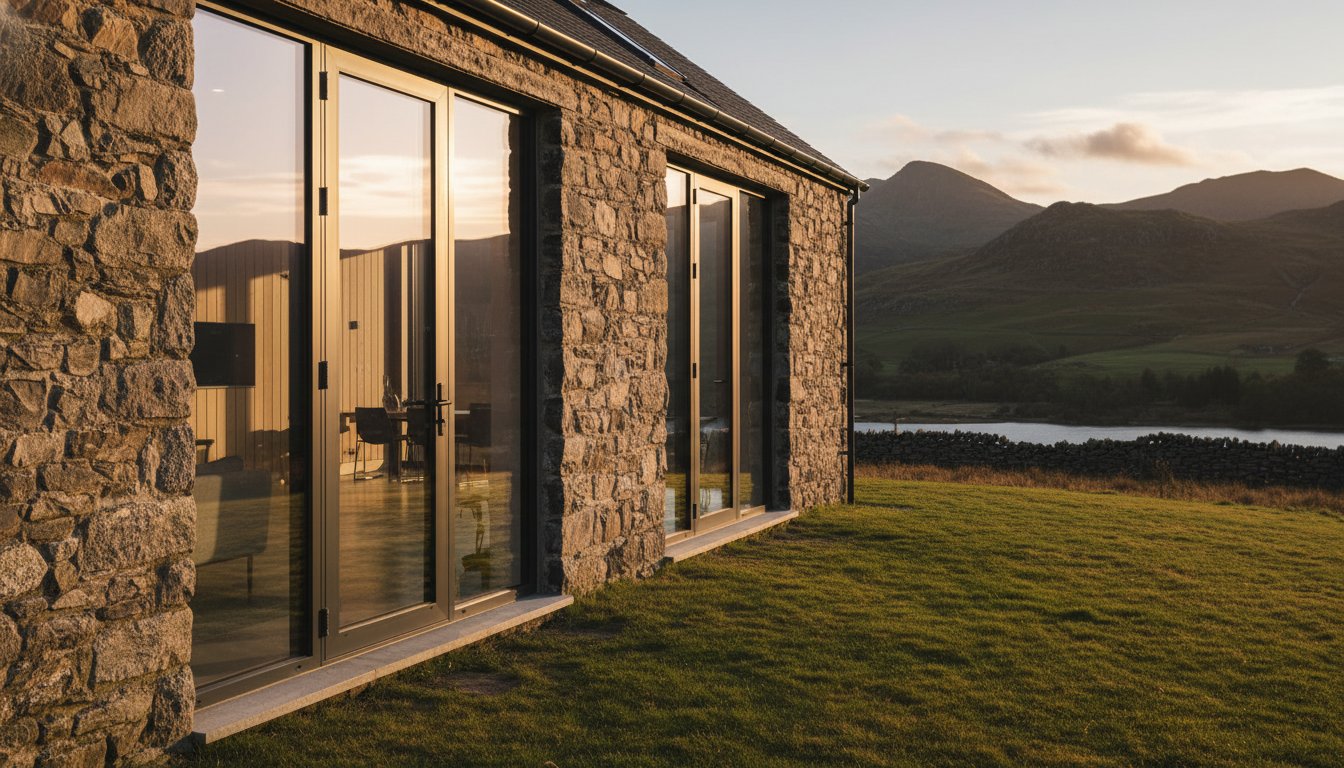
What if the secret to preserving a 19th-century Cumbrian barn isn't hiding the modern additions, but choosing glazing that acts as a silent partner to the original stone? Most homeowners fear that upgrading a historic property will either result in a "plastic" look that ruins the heritage or lead to a prompt rejection from the Lake District National Park Authority. This Case Study: Modernizing a 19th-Century Barn Conversion in Ambleside proves that you don't have to choose between architectural integrity and modern comfort.
We understand the pressure of meeting the March 2025 Lake District Design Code whilst preparing for upcoming carbon reduction mandates. You'll discover how we used slimline aluminium heritage windows to replace decaying frames with high-performance glazing. We will walk you through the survey and installation process that secured planning approval and turned a cold stone shell into a light-filled home that respects its Ambleside roots. By leading with architectural education rather than a hard sell, we help you avoid the expensive mistakes often associated with Lakeland renovations.
Key Takeaways
- Learn why slimline aluminium heritage windows are the superior choice for resisting the Cumbrian climate whilst replicating the aesthetic of traditional 19th-century timber.
- Understand how to navigate the 2025 Lake District Design Code using non-reflective glazing to satisfy strict National Park planning requirements.
- Discover how strategic placement of flat rooflights and French doors can solve the common problem of dark, deep floorplans in traditional bank barn conversions.
- This Case Study: Modernizing a 19th-Century Barn Conversion in Ambleside reveals how to achieve a high-performance thermal envelope that exceeds current building regulations without losing historic charm.
The Architectural Challenge: Preserving History whilst Modernising an Ambleside Barn
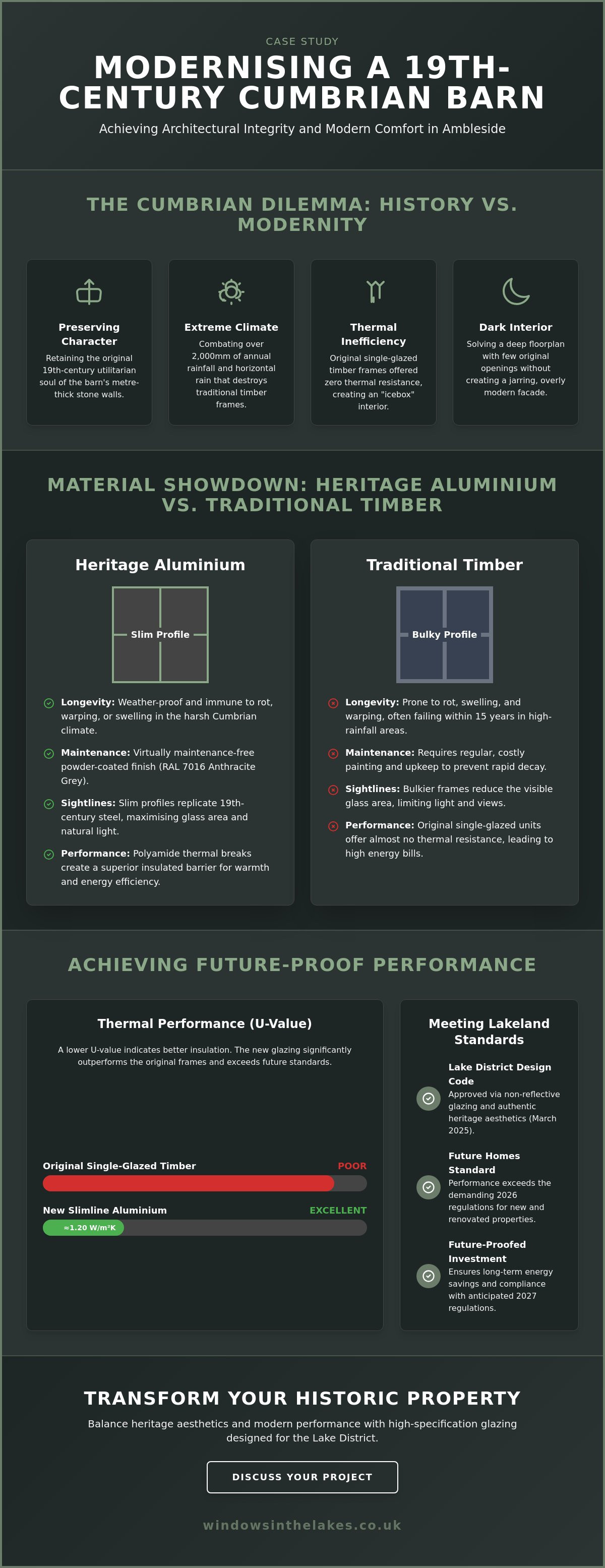
Nestled on the rugged slopes above Ambleside, this 19th-century bank barn presented a classic Cumbrian dilemma. Built into the hillside to allow dual-level access, the structure featured the heavy, metre-thick stone walls typical of the region's agricultural heritage. While these walls offer incredible thermal mass, they were originally designed to protect livestock and hay, not to house a family. This Case Study: Modernizing a 19th-Century Barn Conversion in Ambleside explores the delicate balance between retaining that "utilitarian" soul and creating a high-performance home that meets the expectations of 2026 living.
The primary conflict centred on light. Traditional bank barns usually have few openings, often restricted to small ventilation slits or "breathings" and large cart doors. For the homeowners, the goal was to flood the interior with natural light without turning the facade into a glass box that would clash with the surrounding fells. We also had to debunk the "draughty barn" myth. With the right glazing specifications, these stone shells can actually become some of the most efficient homes in Cumbria, provided the windows are recessed correctly to prevent cold bridging at the masonry junctions.
The Property History and Original Glazing
Before the renovation began, the building was a shell of decaying timber and damp slate. The original single-glazed timber frames had long since succumbed to the high-rainfall environment of the Lake District, where annual precipitation often exceeds 2,000mm. These frames offered zero thermal resistance, making the interior feel like an icebox for six months of the year. Undertaking a barn conversion in such an exposed location requires a deep understanding of structural constraints. We had to work within the existing 19th-century apertures, ensuring our new aluminium frames didn't put undue pressure on the historic lintels or the lime-mortared stone surrounds.
Defining the Project Goals for 2026
As we moved into the design phase in May 2026, our objectives were clear and technically demanding. We needed to achieve a sleek, modern interior feel while maintaining a rugged, weather-beaten exterior. Following the standards set by the March 2026 Future Homes Standard update, we aimed for a window U-value of approximately 1.20 W/m²K. This ensures the home is future-proofed against rising energy costs and upcoming 2027 regulations. Beyond the numbers, the project was about the view. By using slimline aluminium profiles, we could maximise the visible glass area, framing the dramatic vistas of the Ambleside valley like living pieces of art. You can see similar transformations in our other case studies, where heritage aesthetics meet modern performance.
Selecting High-Performance Aluminium: Why Heritage Windows Outperform Traditional Timber
Choosing the right frame material was the most critical decision in this Case Study: Modernizing a 19th-Century Barn Conversion in Ambleside. While some purists argue for timber, the reality of the Cumbrian climate demands a more resilient solution. Heritage-style aluminium windows are specifically engineered to replicate the slim, elegant sightlines of 19th-century steel or wood frames but with the structural integrity of modern metallurgy. These systems allow for significantly more glass and less bulky frame, ensuring the barn's original apertures aren't choked by thick profiles.
We put every product through what we call the "Lake District Test." In an environment where horizontal rain is a weekly occurrence, timber frames often warp, swell, or rot within 15 years, even with regular painting. Powder-coated aluminium is essentially maintenance-free. For the Ambleside project, we specified RAL 7016 Anthracite Grey. This specific tone complements the blue-grey hues of local Westmorland slate, allowing the new glazing to settle into the historic stone masonry rather than shouting for attention. High-performance polyamide thermal breaks are hidden within these frames, creating an insulated barrier that keeps the interior warm whilst energy bills remain low.
Aluminium vs Timber: The Longevity Debate
The argument for aluminium isn't just about durability; it's about architectural precision. Timber windows require chunky sections to maintain their strength, which can look clumsy in small barn openings. Aluminium is inherently stronger, allowing us to create ultra-slim profiles that maximise natural light. This is vital when you're trying to turn a dark agricultural building into a liveable home. Because our aluminium systems are finished with a marine-grade powder coating, they won't flake or peel, providing a "fit and forget" solution for homeowners who would rather spend their weekends on the fells than up a ladder with a paintbrush.
Bespoke Specifications for Barn Openings
Agricultural buildings rarely feature perfectly square openings. To ensure a precision fit, every unit was bespoke-manufactured to the millimetre. We also integrated internal glazed partitions to divide the living spaces without blocking the flow of light through the building's core. You can find the full technical specifications for these systems on our products page. If you're planning your own renovation and want to avoid expensive mistakes, you might want to start the conversation with our design team to see how heritage glazing could work for your specific site.
Navigating Lake District Planning: Architectural Glazing in a National Park
Securing planning permission in the Lake District National Park is often the most stressful phase of any renovation. For this Case Study: Modernizing a 19th-Century Barn Conversion in Ambleside, the stakes were high. The Lake District Design Code, adopted on March 26, 2025, provides clear but strict guidance on how modern materials must respect the local vernacular. One of the primary hurdles we cleared was the requirement for "non-reflective" glass. This specialised glazing reduces external glint, ensuring the barn doesn't become a visual distraction when viewed from the surrounding fells or public bridleways.
Conservation officers often look favourably upon slimline aluminium because it mimics the "industrial" or "utilitarian" feel of 19th-century metalwork better than bulky uPVC ever could. In this Ambleside project, we demonstrated that the thin profiles of our heritage windows allowed the original stone masonry to remain the dominant feature. By engaging with the authority early, we avoided the £1,000 pre-application fee for an initial assessment by presenting a design that already met the stringent March 2025 standards. It's a process that requires local knowledge to ensure the £309 planning application fee for alterations isn't wasted on designs that will never be approved.
Conservation Area Considerations
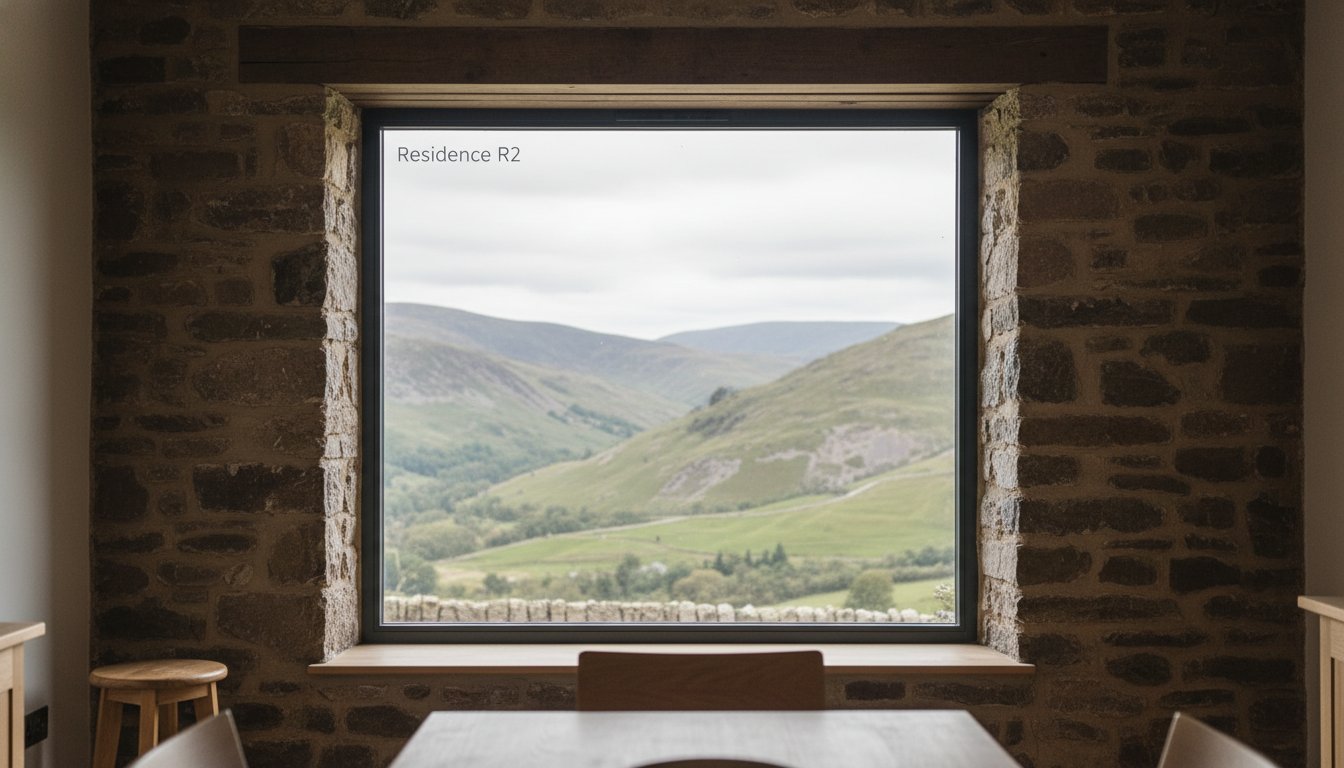
Maintaining the agricultural character of a bank barn is non-negotiable. To achieve this, we utilised recessed window installations. By setting the aluminium frames deep into the stone reveals, we created the traditional shadow lines that planners expect to see in historic Cumbrian buildings. This "Crittall-style" glazing provides a contemporary edge whilst honouring the building's past. It's a design language that satisfies both the National Park's aesthetic requirements and the homeowner's desire for a sleek, modern finish.
The Survey and Full Installation Process
Irregular stone walls are a hallmark of 19th-century construction, but they're a nightmare for off-the-shelf windows. Our "Supply, Survey & Full Installation" approach was vital here. We conducted a laser survey to account for every wobble in the historic masonry, ensuring a weather-tight fit that eliminates the risk of damp. This meticulous planning is why we're trusted across the region. You can find more about our area-specific expertise by visiting our locations page, where we detail how we handle the unique planning landscapes of various Cumbrian towns.
Key Glazing Features: Transforming the Interior with Natural Light and Slimline Profiles
While previous sections explored the "how" of planning and material science, this Case Study: Modernizing a 19th-Century Barn Conversion in Ambleside highlights the visual and emotional impact of high-specification glazing. The goal was to move beyond mere insulation and address the "modernising power" of slimline frames. By May 2026, the project successfully demonstrated how architectural glass can redefine a building's interior volume, turning a traditionally dark stone shell into a series of vibrant, light-filled living spaces that celebrate the Cumbrian landscape.
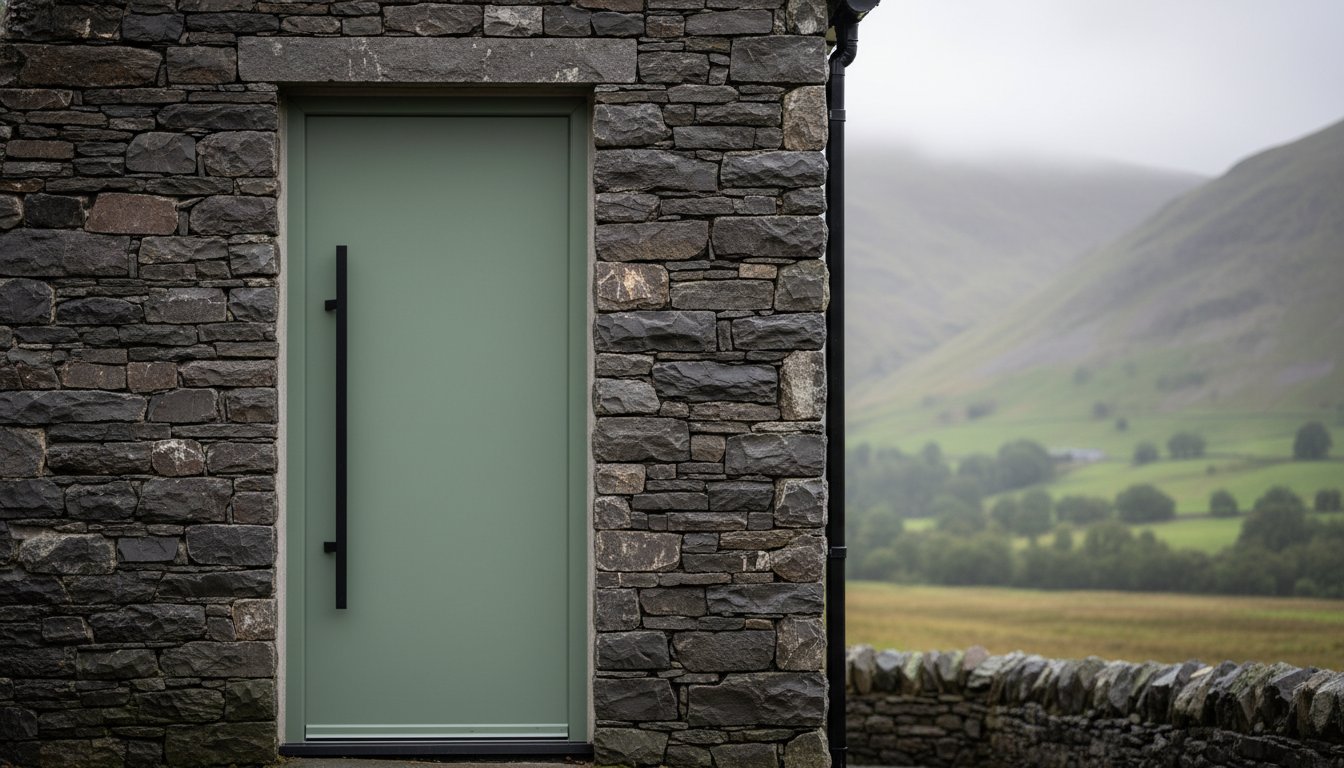
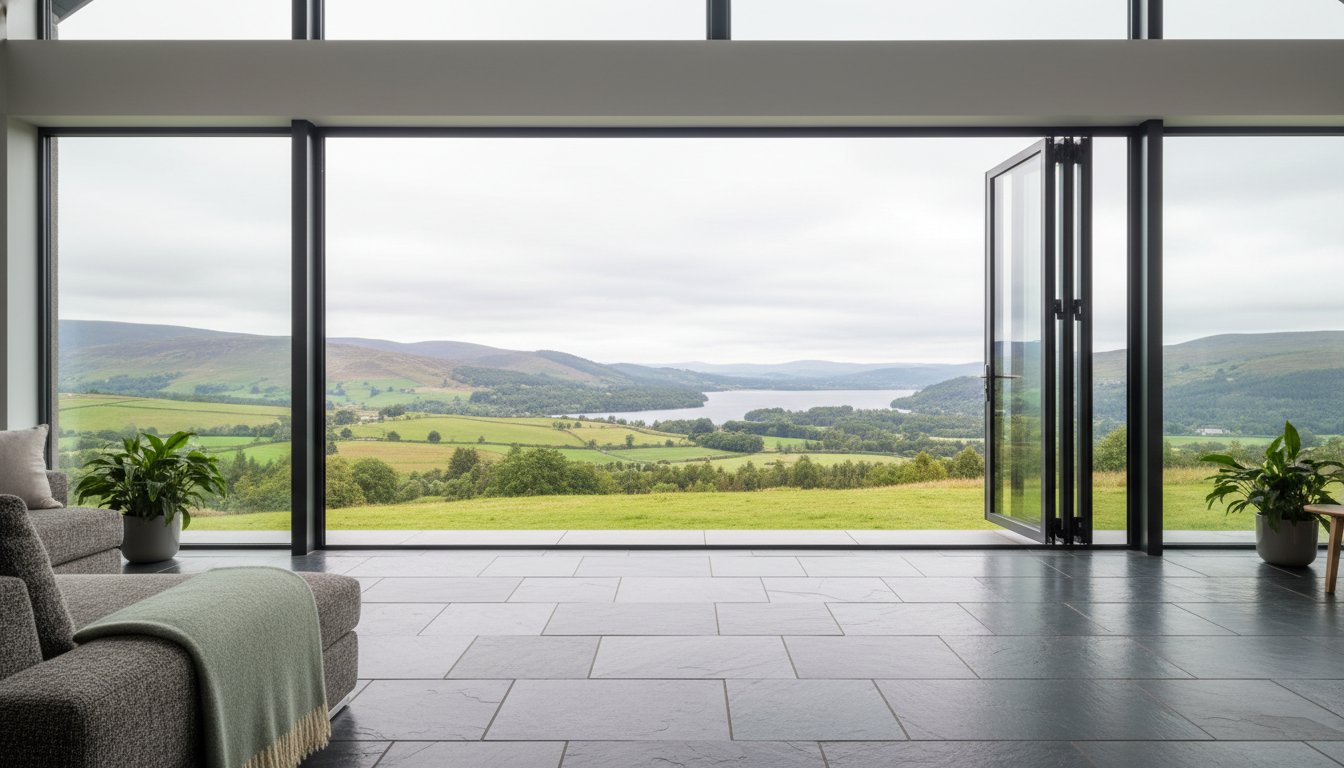
One of the most dramatic additions was the gable end glazing. This "wow factor" feature uses ultra-slim aluminium profiles to frame the panoramic views across the fells. By minimising the visible frame, the glass acts as a transparent canvas, bringing the changing Lakeland weather into the heart of the home. To maintain the building's security, we installed high-performance entrance doors that feature multi-point locking systems whilst retaining a minimalist, utilitarian aesthetic that feels appropriate for a 19th-century structure.
Double French Doors as a Focal Point
The original cart door opening provided a unique opportunity to create a grand entrance. We replaced the heavy, rotting timber doors with bespoke double french doors. This choice was deliberate; it maintains the original architectural narrative of the barn's wide access point but introduces a level of thermal performance and light penetration that was previously impossible. During the summer months, these doors allow for a seamless indoor-outdoor flow, perfect for entertaining against the backdrop of the Ambleside valley. The slimline aluminium profiles ensure that even when closed, the connection to the garden remains uninterrupted.
Architectural Glazing for Dark Spaces
Bank barns are notoriously deep, often leaving the centre of the floorplan in permanent shadow. To solve this, we strategically placed flat rooflights into the slate roof. These units are designed to be low-profile from the exterior to satisfy National Park guidelines, but internally, they act as light wells that highlight the original 19th-century timber beams. We also utilised internal glazed partitions between the kitchen and living areas. These partitions allow natural light to share itself across the floorplan whilst providing essential sound dampening for a busy modern household. The result is an interior that feels expansive and connected, proving that even the most stubborn historic buildings can be transformed with the right glazing strategy. If you are ready to see how these features could work in your home, you can book a design consultation with our specialist team today.
The Result: A Sustainable, High-Efficiency Home for Life in the Lakes
The completion of this Ambleside project marks a significant milestone in how we approach historic Cumbrian architecture. This Case Study: Modernizing a 19th-Century Barn Conversion in Ambleside demonstrates that a building can transition from a draughty, agricultural shell into a thermal masterpiece without losing its 1800s soul. By May 2026, the property has achieved a level of energy efficiency that far exceeds the requirements of its original planning consent, providing a warm, light-filled sanctuary that is fully prepared for the 2027 Future Homes Standard.
Client feedback throughout the first half of 2026 has focused heavily on the transformation of the home's "feel." The homeowners reported that even during the damp, cold spells typical of a Lakeland spring, the interior remained at a constant, comfortable temperature with minimal reliance on the heating system. Our high-performance entrance doors played a vital role in this success. They provide a secure, airtight seal against the fell-side winds whilst offering a sleek, stylish welcome that perfectly matches the slimline heritage windows.
Aluminium has proven to be the ultimate choice for this 19th-century modernisation. It offers a "fit and forget" durability that timber simply cannot match in high-exposure locations. Because the frames are so slim, the glass remains the star of the show, allowing the rugged beauty of the Ambleside valley to become part of the daily living experience. This project proves that with the right glazing partner, you don't have to sacrifice performance for heritage.
Start the Conversation for Your Barn Conversion
Complex glazing projects in the Lake District require a specialist touch to navigate the intersection of historic preservation and modern building physics. We pride ourselves on being a safe pair of hands for homeowners, helping you avoid the "7 common mistakes" in Cumbrian window installation, such as choosing incorrect U-values or failing to account for irregular stone masonry. If you're ready to protect your home's value and improve your comfort, you can book a design consultation with our expert team to discuss your specific renovation goals.
Explore More Lake District Case Studies
Every barn and cottage in Cumbria presents its own set of unique architectural opportunities. We invite you to browse our featured projects gallery to see how we've used aluminium glazing to transform properties across the region. You can also explore our full library of case studies for more technical insights into our survey and installation process. When you're ready to see what's possible for your property, you can request a quote to begin your own Ambleside transformation.
Future-Proofing Your Lake District Heritage Project
Modernising a historic barn doesn't mean compromising on its 19th-century character. As this Case Study: Modernizing a 19th-Century Barn Conversion in Ambleside has shown, the right combination of slimline aluminium profiles and strategic light placement can turn a cold stone shell into a high-performance home. You've seen how heritage-style windows satisfy the 2025 Lake District Design Code whilst meeting the 2027 Future Homes Standard for energy efficiency.
With over 35 years of Cumbrian glazing expertise, we understand the technical nuances of installing Red Dot standard aluminium profiles into irregular stone masonry. We are specialists in Lake District National Park planning requirements; we ensure your project moves from vision to reality without regulatory delays. Don't let the fear of complex restrictions or drafty interiors hold back your renovation. It's time to create a space that honours the past whilst embracing the future of sustainable Lakeland living.
Start the conversation about your Ambleside barn conversion today
Frequently Asked Questions
Do I need planning permission for new aluminium windows in an Ambleside barn conversion?
Yes, you usually need formal planning permission because the Lake District National Park Authority (LDNPA) often removes permitted development rights for barn conversions. As of May 2026, a standard application for alterations to a single dwelling costs £309. It's essential to check your specific property's history, as even minor changes to glazing usually require a full application to ensure the project aligns with the March 2025 Design Code.
Can aluminium windows look traditional enough for a 19th-century property?
Absolutely, heritage-style aluminium is specifically designed to replicate the ultra-slim profiles of 19th-century steel or timber frames. This Case Study: Modernizing a 19th-Century Barn Conversion in Ambleside demonstrates how these slim sightlines allow more glass and less frame, maintaining the building's original utilitarian character. When paired with the right RAL colour, these modern frames become a "silent partner" to the historic stone masonry.
How do aluminium windows handle the high rainfall in the Lake District?
Aluminium handles the Lake District's 2,000mm annual rainfall far better than timber because it doesn't rot, warp, or swell when saturated. The marine-grade powder coating provides a durable, maintenance-free finish that protects the structural integrity of the window for decades. Unlike wood, which requires repainting every few years in exposed fell-side locations, aluminium remains stable and weather-tight regardless of the Cumbrian climate.
Is it possible to install large glass gable ends in a historic barn?
Yes, large glazed gable ends are a popular way to maximise views, provided they use non-reflective glass to satisfy LDNPA requirements. Planners generally approve these "wow factor" features if the frames are slimline and the glass doesn't create excessive glint in the landscape. This approach was central to our Case Study: Modernizing a 19th-Century Barn Conversion in Ambleside, where we balanced modern aesthetics with strict National Park conservation guidelines.
What are the best RAL colours for windows in a Cumbrian stone building?
Anthracite Grey (RAL 7016) and Black (RAL 9005) are the most effective choices for complementing the blue-grey hues of Westmorland slate. These darker, muted tones help the frames recede into the shadows of the stone reveals, creating the traditional shadow lines that conservation officers prefer. Avoiding bright or high-gloss finishes ensures the building maintains its rugged, agricultural heritage whilst looking modern and sophisticated.
How much do bespoke aluminium windows cost for a barn conversion?
As of May 2026, a single heritage-style aluminium window measuring 2,400mm x 1,200mm typically costs approximately £1,500 plus VAT. Prices vary based on the specific thermal requirements and glass type, such as the non-reflective coatings required in National Parks. While aluminium is about 40% more expensive than uPVC, the long-term value lies in its durability and the significant increase it provides to a property's market value.
Can I replace timber windows with aluminium in a conservation area?
You can often replace timber with aluminium in conservation areas if you choose a heritage-style profile that respects the building's history. The LDNPA Design Code, adopted in March 2025, prioritises high-quality design over specific materials. Provided the new glazing maintains the "agricultural character" and uses recessed installations to mimic traditional depths, slimline aluminium is frequently seen as a superior, more durable alternative to modern timber.
Do aluminium windows offer better security for rural Lake District homes?
Aluminium windows provide exceptional security for rural homes due to the material's inherent strength and the integration of multi-point locking systems. Unlike timber, which can be weakened by rot or forced relatively easily, aluminium frames are incredibly difficult to bend or break. This makes them a "safe pair of hands" for homeowners in remote Lakeland locations, offering peace of mind without compromising on the sleek, slimline aesthetic.