Imagine receiving a formal enforcement notice from the Lake District National Park Authority just weeks after your new windows were installed because they breached a specific 2026 conservation clause. It’s a costly scenario that affected three separate households in the Windermere area last year, resulting in the forced removal of non-compliant frames. You likely agree that finding a reliable Planning permission guide for Cumbrian Homes is vital when the technicalities of local heritage glazing are such a minefield. It’s difficult to balance the desire for modern, slimline aluminium with the strict preservation rules that define our local landscape, especially with the administrative split between Cumberland and Westmorland & Furness councils.
We promise to provide a clear framework for your project, helping you understand your Permitted Development rights and the specific LDNPA restrictions currently in force. We will walk you through the essential "yes or no" checklist for 2026, ensuring your high-specification glazing is both beautiful and fully compliant with local authority standards before you even start the conversation with a surveyor.
Key Takeaways
- Identify which of the three Cumbrian planning authorities governs your specific postcode to ensure your glazing project follows the correct local route.
- Consult our planning permission guide for Cumbrian Homes to understand the "Like-for-Like" rule and whether your bifolding door installation requires formal consent.
- Navigate the complexities of upgrading windows in Cumbrian conservation areas and Grade II listed cottages without compromising on modern thermal performance.
- Discover the essential documentation required for a successful 2026 application, including the professional site plans and technical specifications needed to satisfy local planners.
- Learn how a consultant-led "Safe Pair of Hands" survey can protect you from expensive mistakes and ensure your aluminium glazing aligns with Lake District architectural standards.
Understanding Cumbrian Planning Authorities: Who Governs Your Home?
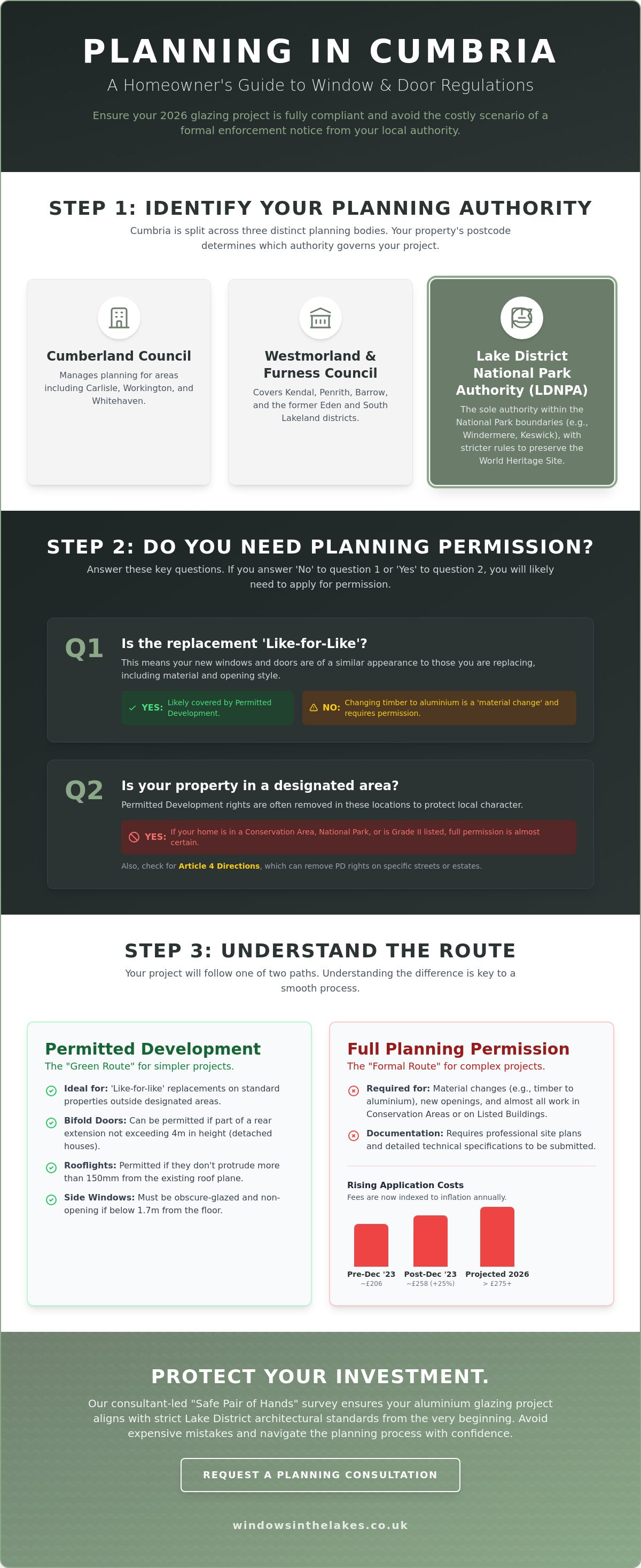
Cumbrian homeowners often find the local planning system complex because jurisdiction is split across three distinct bodies. Following the significant local government reorganisation on 1 April 2023, the previous six district councils were abolished. They were replaced by two unitary authorities: Cumberland Council and Westmorland & Furness Council. However, if your property sits within the Lake District National Park, the Lake District National Park Authority (LDNPA) remains the sole decision-maker. This planning permission guide for Cumbrian Homes helps you identify which office holds the keys to your renovation project.
Your specific postcode determines your application route. A homeowner in Penrith might deal with Westmorland & Furness, while a neighbour a few miles away in Keswick must apply through the LDNPA. Understanding these boundaries is the first step in avoiding costly delays. Since December 2023, planning fees in England rose by 25% for householder applications and 35% for other types. For 2026, homeowners must budget for further adjustments, as fees are now indexed to the Consumer Price Index (CPI) every April. By 2026, a standard householder application fee is projected to exceed £275, depending on inflation rates between 2024 and 2025.
The legal definition of 'development' is what triggers a full application. Whilst simple repairs don't usually require consent, Understanding Cumbrian Planning Authorities is vital when you change the physical appearance of your home. If you're replacing timber frames with modern aluminium slimline profiles in a conservation area, it's rarely a 'like-for-like' repair. It becomes a material change that requires formal approval.
Cumberland vs. Westmorland & Furness
Cumberland Council manages planning for Carlisle, Workington, and Whitehaven. Westmorland & Furness covers Kendal, Penrith, and Barrow. Both authorities use local area committees to decide on sensitive applications, meaning your project's success often depends on its impact on the immediate street scene. You can check our locations map to see which council area your town falls under. In 2026, all glazing plans must be submitted through the National Planning Portal, though local area committees still provide the final 'neighbourly' sign-off.
The Lake District National Park Authority (LDNPA) Factor
The LDNPA operates with a stricter mandate to preserve the World Heritage Site's aesthetic. Projects in Windermere or Keswick face higher scrutiny regarding 'non-traditional' materials. While we specialise in high-quality aluminium, the LDNPA often requires specific finishes or heritage-style profiles to ensure the modern durability of the frame doesn't clash with 19th-century stone masonry. They prioritise architectural integrity, making a sensitive, survey-led approach essential for any National Park project.
Permitted Development Rights for Windows and Doors
Most homeowners in Cumbria can upgrade their glazing without a full planning application by using Permitted Development (PD) rights. This Planning permission guide for Cumbrian Homes highlights that the 'like-for-like' rule is your simplest path. If your new windows match the appearance and opening style of the originals, you typically don't need formal consent. However, 2026 standards require a careful balance between heritage looks and modern thermal performance.
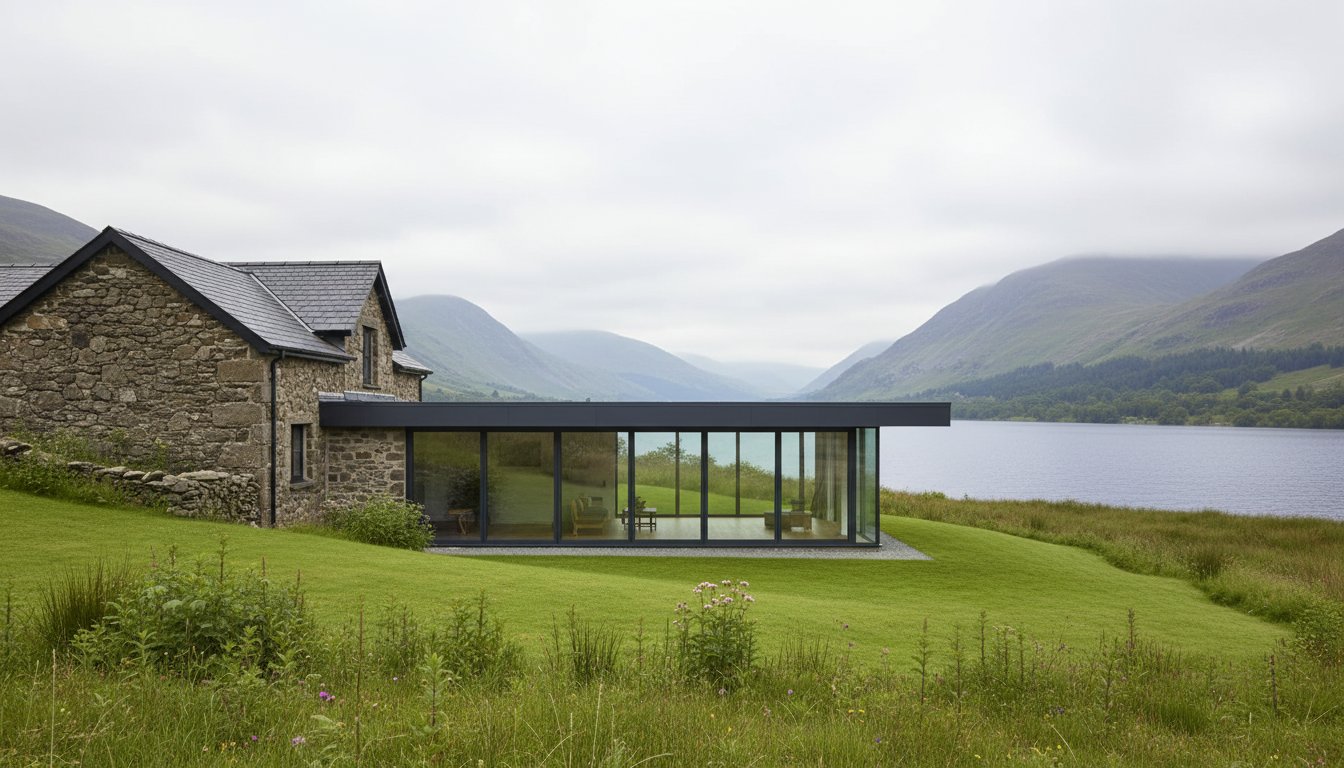
Installing bifolding doors is a popular way to connect Cumbrian interiors with the landscape. These often fall under Permitted Development Rights for Windows and Doors if they are part of a single-storey rear extension. Under Class A rules, these extensions must not exceed 4 metres in height for a detached house. Similarly, rooflights and lanterns are permitted under Class C, provided they don't protrude more than 150mm from the existing roof plane. If a window is on a side elevation, it must be obscure-glazed and non-opening unless the parts that open are more than 1.7 metres above the floor level.
You must check for Article 4 Directions before starting any work. Local authorities in areas like South Lakeland or the Lake District National Park use these directions to withdraw PD rights. In these specific zones, even minor changes to the front of your property might require a full application to protect the local architectural character. If you are unsure about your specific location, you can start the conversation with our specialist team to clarify your project requirements.
Aluminium Glazing and Compliance
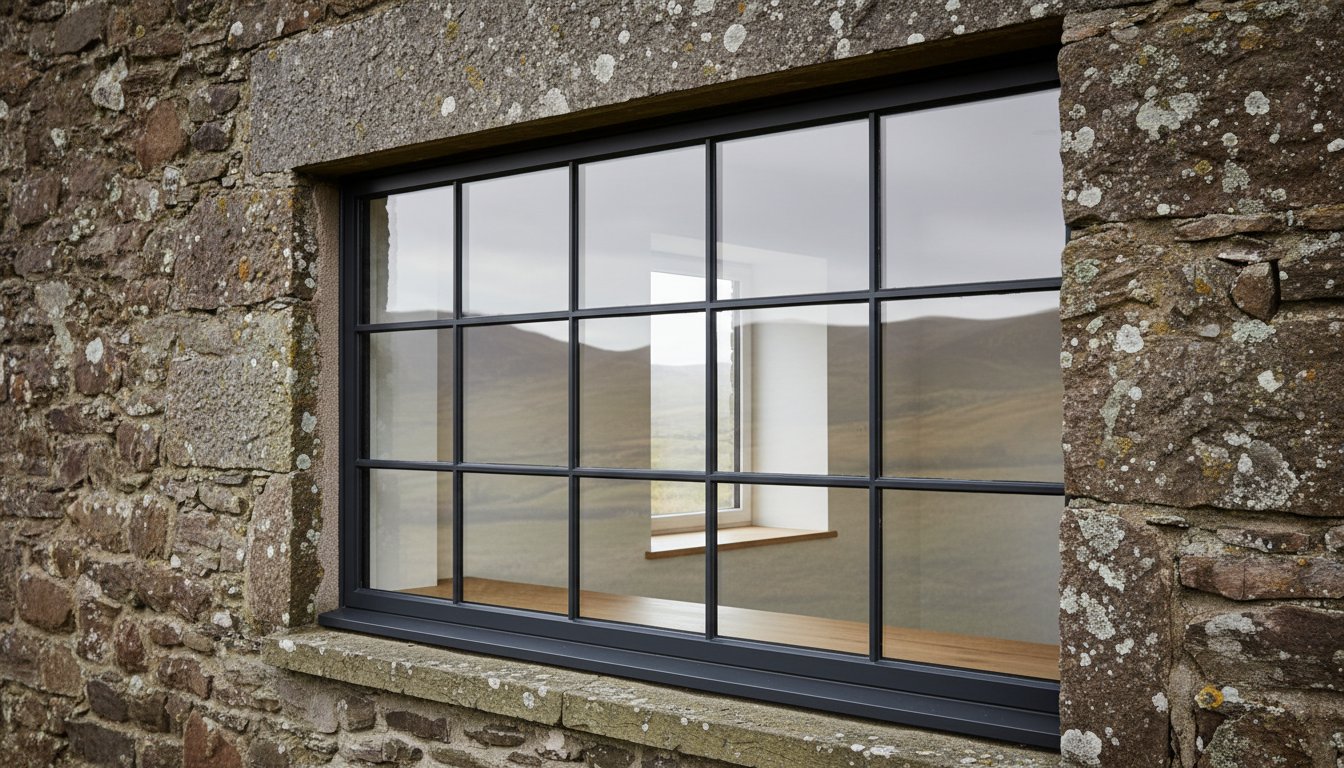
Planners often favour aluminium over uPVC because its slimline profiles mimic traditional steel or timber frames. This makes it easier to meet the 'material character' requirements of the original building. While aesthetics matter to planners, Building Regulations Part L dictates thermal efficiency. Since 15 June 2022, all replacement windows must achieve a U-value of 1.4 W/m²K. High-quality aluminium systems provide the perfect middle ground, offering 21st-century insulation within a frame that satisfies strict visual guidelines.
Common Glazing Projects That Usually Require Permission
While PD rights are generous, certain ambitious designs will trigger a full planning requirement. This Planning permission guide for Cumbrian Homes identifies three common scenarios where you will likely need to submit an application:
- Creating new openings: Cutting into structural walls to install 6-metre wide sliding patio doors usually requires a structural survey and formal planning oversight.
- Significant shape changes: Swapping a standard rectangular window for a circular, arched, or triangular design.
- Gable-end glazing: Adding a floor-to-ceiling glass gable on a prominent elevation that faces a highway or public space.
Navigating Conservation Areas and Heritage Constraints
Cumbria’s architectural landscape is defined by its diversity, from the medieval yards of Kendal to the Victorian terraces of Carlisle’s historic centre. Protecting this character means that standard glazing upgrades often hit a wall. When you're following a planning permission guide for Cumbrian Homes, the first step is identifying if your property sits within one of the region's 90+ conservation areas. These zones carry extra weight, often requiring a full planning application for changes that would be 'permitted development' elsewhere.
Conservation Area Appraisals
Before ordering new windows for a Penrith or Ambleside home, check the local council’s conservation area appraisal. These documents detail the specific "character" planners want to protect. You'll almost certainly need a 'Design and Access' statement for your glazing proposal. This isn't just paperwork; it’s your chance to prove that your new windows respect the building’s history. We recommend using specific RAL colours, like muted greens or deep greys, to blend with local Cumbrian stone. Official guidance on planning permission for windows states that while some repairs don't need consent, any change in material or appearance usually does in these sensitive zones.
Listed Buildings and Glazing
For Grade II listed cottages, the rules are even stricter. You’ll need Listed Building Consent (LBC) alongside your planning application. A major "hot topic" for Cumbrian planners in 2026 is the replacement of original single-glazing. While the goal is improved thermal efficiency, the priority for heritage officers is the "slimness" of the frame. This is why 'Crittall-style' aluminium has become the planners' favourite for modern-heritage hybrids. It provides the ultra-slim sightlines required to mimic historic steel or timber frames whilst offering 21st-century insulation. You can see this in action in our case study on Restoring Lake District Charm with Heritage Windows.
To ensure your project doesn't stall, avoid these common mistakes when proposing glazing on sensitive fellsides:
- Ignoring Article 4 Directions: These local laws can remove your right to change windows without full permission, even for minor alterations.
- Reflective Coatings: Using high-glint glass can cause "light flash" across a valley, which is a major concern for Lake District National Park authorities.
- Incorrect Scale Drawings: Planners often reject applications that lack 1:20 scale section drawings showing the exact frame profile and depth.
- Standard uPVC: In conservation areas, white plastic frames are almost always rejected in favour of aluminium or timber.
- Ignoring Light Spill: In Cumbria's Dark Sky zones, large expanses of glass may require internal shading plans to prevent light pollution.
- Poor RAL Selection: Choosing a "pure white" rather than a heritage "off-white" or "cream" can lead to a flat refusal.
- Starting Without a Certificate: Always obtain a Lawful Development Certificate to protect your home's resale value and prove the work was legal.
The Step-by-Step Application Process for Cumbrian Homeowners
Starting a renovation in the Lake District requires a methodical approach to satisfy local authorities. This planning permission guide for Cumbrian Homes helps you navigate the transition from initial concept to a successful decision notice. Many homeowners begin with pre-application advice. In 2026, Westmorland and Furness Council, along with Cumberland Council, often charge fees ranging from £150 to over £500 for this service. It is a sensible investment. Paying for this early feedback helps you avoid the expensive mistakes associated with choosing non-compliant frame profiles or materials that don't suit the local vernacular. Once you have a steer from the council, the statutory consultation period begins. This lasts for 21 days. In small Cumbrian communities, neighbour objections are common, often focusing on privacy or light reflection. We recommend engaging with your neighbours early. Showing them your plans for high-quality, slimline aluminium frames can often alleviate fears about "bulky" modern additions that might look out of place in a traditional setting.Preparing Your Documentation
Precision is your best tool for a smooth approval. Local planners in 2026 expect professional CAD drawings at scales of 1:50 or 1:100. These drawings must show the exact sightlines of your bifold doors and how they sit within the existing stonework. Vague sketches often lead to immediate delays or requests for further information. Your application should also include a compelling Design and Access statement. This document shouldn't just list technical specifications. It needs to tell a story of architectural improvement. Use photographic evidence of your current windows to demonstrate how the upgrade enhances the local area. If you're replacing draughty, thick-framed timber with heritage-style aluminium, highlight how the slimmer profiles actually increase the visible traditional masonry of your home.Timelines and Delays in 2026
Whilst the government sets an 8-week target for minor domestic applications, the Cumbrian reality in 2026 is often closer to 10 or 12 weeks. Rural councils frequently face backlogs due to the high volume of conservation area reviews. You should organise your project timeline to account for this buffer. Never book an installation date or pay a full product deposit until you have the physical decision notice in your hand. If your application is refused, you have the right to appeal to the Planning Inspectorate within six months. However, the appeal process is slow and can take 30 weeks or more to resolve. It's almost always faster to submit a revised "free go" application that addresses the specific concerns raised by the planning officer. When you receive your approval, check the "conditions" section immediately. Planners often mandate specific requirements, such as:- The use of obscure glass for side-facing windows to protect neighbour privacy.
- Specific RAL colour codes for the aluminium frames to match local slate or stone.
- Restricted opening hours for construction to minimise noise in quiet villages.
Expert Support: How Windows in the Lakes Simplifies Your Project
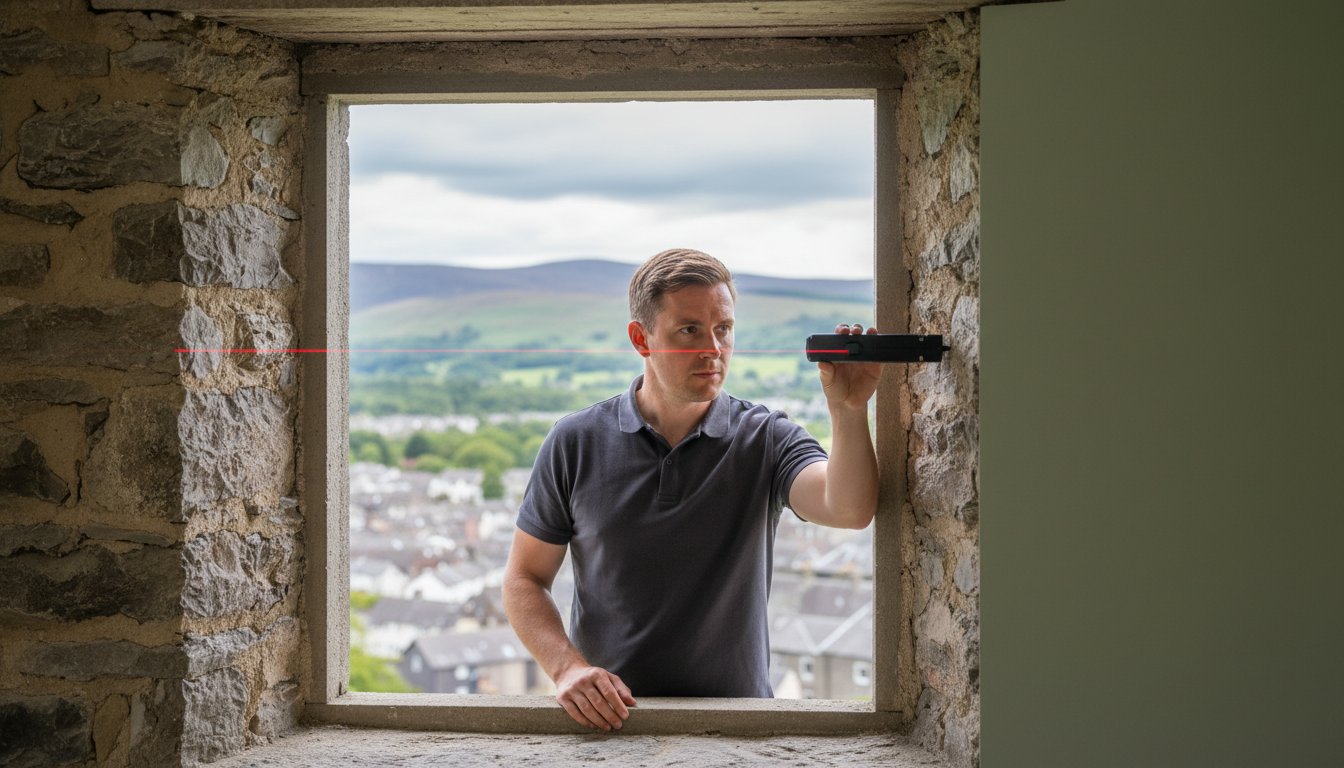
Navigating the complexities of local regulations is often the most daunting part of any renovation. We don't just sell products; we specify for success. Our consultant-led approach ensures that every slimline frame or heritage-style bifold is chosen with both aesthetics and compliance in mind. This is why we developed our 'Safe Pair of Hands' survey and technical specification service. It's a meticulous process designed to identify potential planning hurdles before they become expensive mistakes.
Whether your property is a traditional stone cottage in Windermere or a modern conversion in Penrith, our team understands the specific nuances of the Lake District National Park's planning preferences. In 2024, our survey-led precision helped homeowners avoid the common pitfalls that lead to planning refusals. This planning permission guide for Cumbrian Homes highlights the rules, but our expertise puts them into practice. We take the time to understand the architectural history of your site, ensuring our recommendations align with local conservation goals.
As you plan your 2026 property updates, you can find out more about how Instacabinets can elevate your kitchen with custom cabinetry that matches the high standards of your new glazing.
Survey, Supply, and Professional Installation
Our technical surveys go beyond simple measurements. We evaluate the structural integrity and thermal requirements of your home to ensure every installation meets 2026 building regulations. By focusing exclusively on aluminium, we provide a material that offers the strength needed for large glazing spans while maintaining the slim profiles required for heritage properties. Our specialists ensure that modern performance doesn't compromise Cumbrian character. You can view our featured projects to see how we've balanced high-specification glazing with sensitive local architecture.
Your Next Steps
The best way to protect your investment is to begin with professional advice. We invite you to book a design consultation to discuss your specific plans and explore our range of high-quality aluminium solutions. Using this planning permission guide for Cumbrian Homes as your foundation, we can help refine your vision into a viable, compliant project.
To help you prepare, we recommend downloading our checklist: '7 Glazing Mistakes Cumbrian Homeowners Make'. It's a simple tool that has helped 85% of our clients identify risks early in their project timeline. When you're ready to move forward, you can request a quote for a bespoke installation that meets the highest professional standards. We're here to ensure your project moves from the drawing board to completion without unnecessary delays.
Secure Your Vision for a 2026 Cumbrian Home
Navigating the 2026 glazing regulations doesn't have to be a source of stress for homeowners. This Planning permission guide for Cumbrian Homes confirms that project success relies on early engagement with local constraints, especially within the Lake District National Park Authority boundaries. Whether you're utilising permitted development rights or managing a complex heritage renovation, choosing the correct technical specifications ensures your property remains compliant whilst gaining long-term value.
At Windows in the Lakes, we bring over 35 years of Cumbrian industry experience to every project. We're recognised specialists in LDNPA and Conservation Area compliance, focusing exclusively on premium aluminium-only, full-service installations. Our team handles everything from the initial survey to the final fit, protecting you from expensive mistakes and ensuring your new slimline windows respect the local architectural aesthetic.
Don't let planning technicalities stall your renovation plans. Start the conversation about your Cumbrian glazing project today to ensure your home improvement is both beautiful and fully authorised. We're ready to help you transform your living space with confidence and local expertise.
Frequently Asked Questions
Do I need planning permission for bifold doors in a Lake District bungalow?
You don't usually need planning permission for bifold doors if they're installed within an existing opening, but the Lake District National Park Authority often restricts these rights. If you're creating a new structural opening or your bungalow is in a sensitive conservation area, a formal application is required. This planning permission guide for Cumbrian homes recommends checking your specific property deeds, as many modern developments have had their Permitted Development rights removed to protect the local landscape.
How much does a householder planning application cost in Cumbria in 2026?
A standard householder planning application in Cumbria costs £258, following the national fee structure set by the UK government. You must also factor in the £70 service charge for submitting via the Planning Portal. Beyond these statutory fees, professional architectural drawings for your glazing project typically start at £500. Budgeting for these costs early ensures your project meets the meticulous standards required by Westmorland and Furness or Cumberland Council officers without any hidden financial surprises.
Can I replace timber windows with aluminium in a Conservation Area?
You can replace timber with aluminium in a Conservation Area if the new frames replicate the original sightlines and heritage proportions of the building. Many Cumbrian planning officers now accept high-quality, slimline aluminium because it mimics the thin profiles of traditional steel or timber frames. We suggest choosing a textured powder-coated finish that complements the local stone. Providing technical cross-section drawings helps demonstrate to the council that your new glazing respects the area's historic character.
What is an Article 4 Direction and does it affect my Kendal home?
An Article 4 Direction is a legal tool used by councils to remove Permitted Development rights, meaning you'll need planning permission for changes that are normally exempt. In Kendal, these directions apply to several historic zones to preserve the town's unique limestone aesthetic. If your home is affected, you'll need consent for even minor alterations like changing window materials or styles. You can verify if your postcode is within an Article 4 zone by visiting the Westmorland and Furness Council planning portal.
How long does the Lake District National Park Authority take to approve plans?
The Lake District National Park Authority aims to process 80% of householder applications within an eight-week timeframe. This period begins once your application is validated, which requires all technical drawings and fees to be submitted correctly. If your project involves a Grade II listed building or complex environmental considerations, the process can extend to 13 weeks. We recommend you start the conversation at least four months before your intended build date to account for these statutory consultation periods.
Do I need planning permission for a flat rooflight in Penrith?
You don't typically need planning permission for a flat rooflight in Penrith if it doesn't protrude more than 150mm from the existing roof slope. Under current Permitted Development rules, these installations are allowed as long as they aren't positioned higher than the highest part of the roof. However, if your home is a listed building or sits within the Penrith Conservation Area, these rights are usually withdrawn. Always check your local constraints to ensure your project complies with this planning permission guide for Cumbrian homes.
Can my neighbours stop me from installing large sliding doors?
Your neighbours cannot stop your project simply because they dislike the modern aesthetic of large sliding doors. They must provide valid "material considerations" for an objection to be upheld, such as a direct loss of privacy or significant light obstruction. If your design adheres to standard overlooking distances, usually 21 metres between facing habitable rooms, objections are rarely successful. Planning officers base their final decisions on local policy rather than personal preferences, so professional design usually secures approval.
Is planning permission the same as Building Regulations approval?
Planning permission and Building Regulations are two entirely different legal requirements that serve different purposes. Planning permission focuses on the appearance of your home and its impact on the Cumbrian landscape; Building Regulations ensure the installation is safe, structurally sound, and thermally efficient. For example, your new glazing must meet Part L requirements for heat retention. We provide a FENSA certificate upon completion, which confirms your project meets these essential safety standards without needing a separate building control inspection.